


Overview
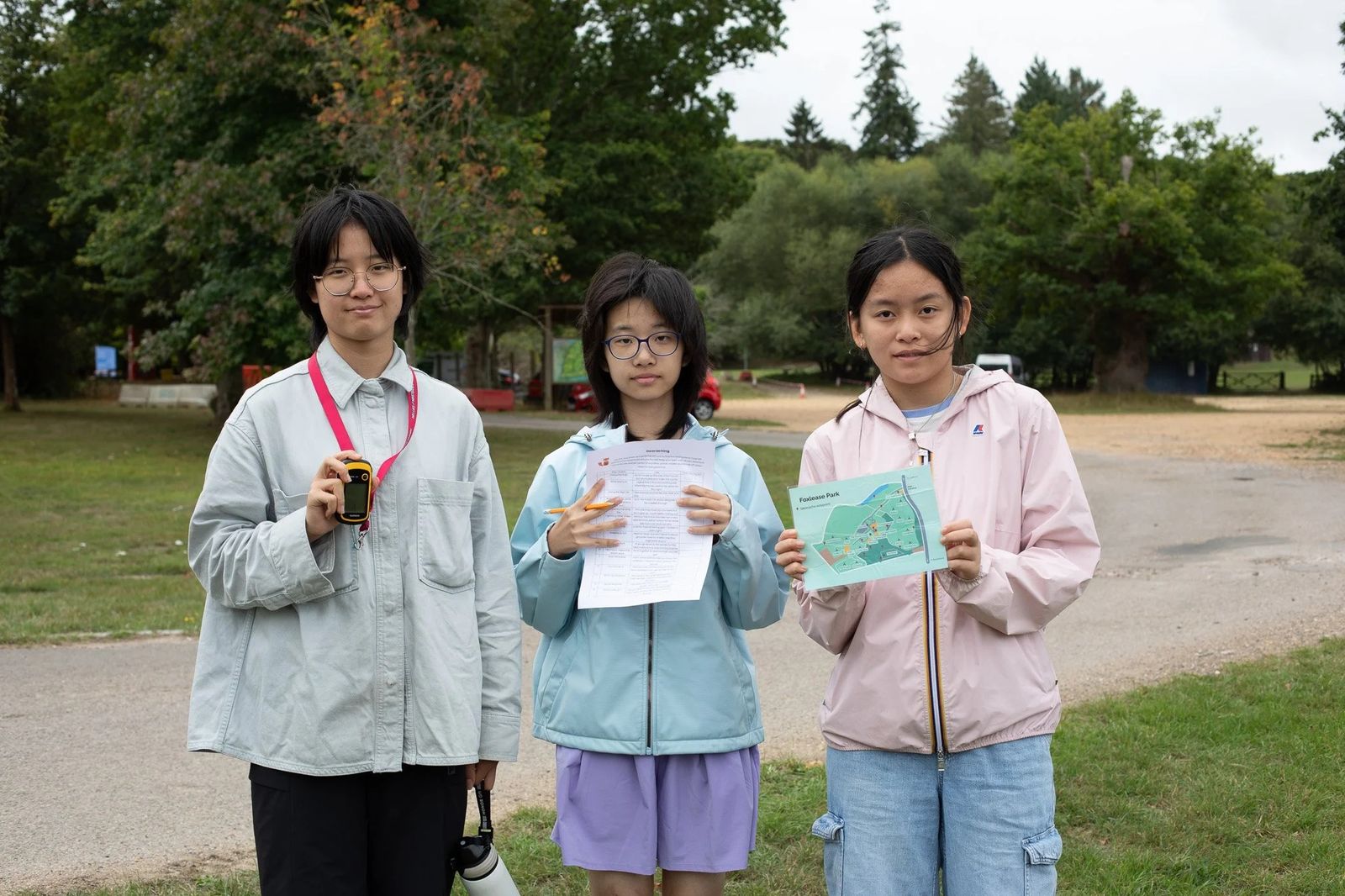
Mornings in class, afternoons outdoors. International teens aged 12–17 take 20 English lessons a week — Monday to Friday, 8:45 to 12:15 — with qualified English teachers, in small groups focused on speaking, listening and confidence. Lessons are practical and lively: presentations, vlogs, creative challenges and some written work, with topics that link to the afternoon's adventures and to British culture.
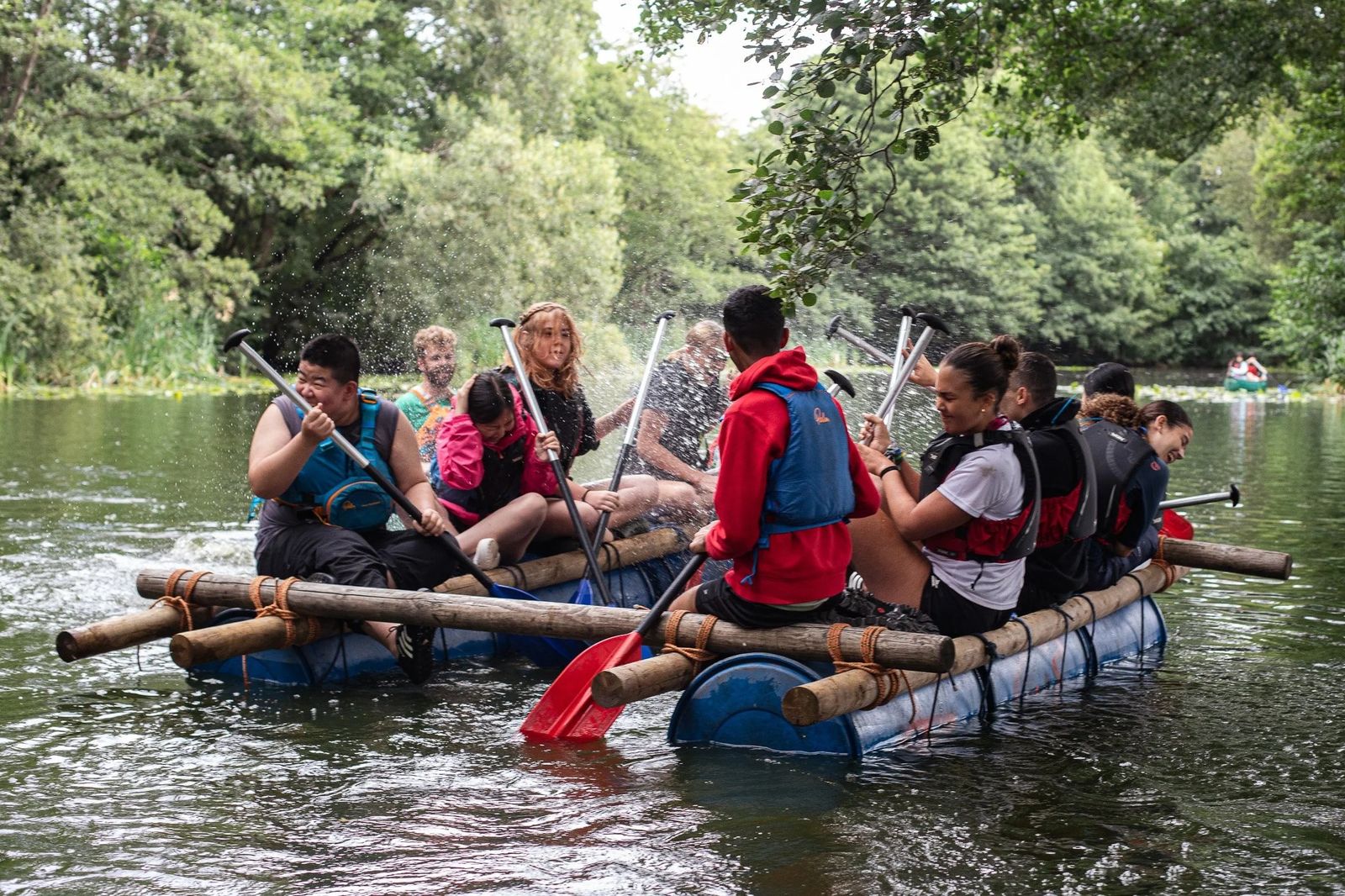
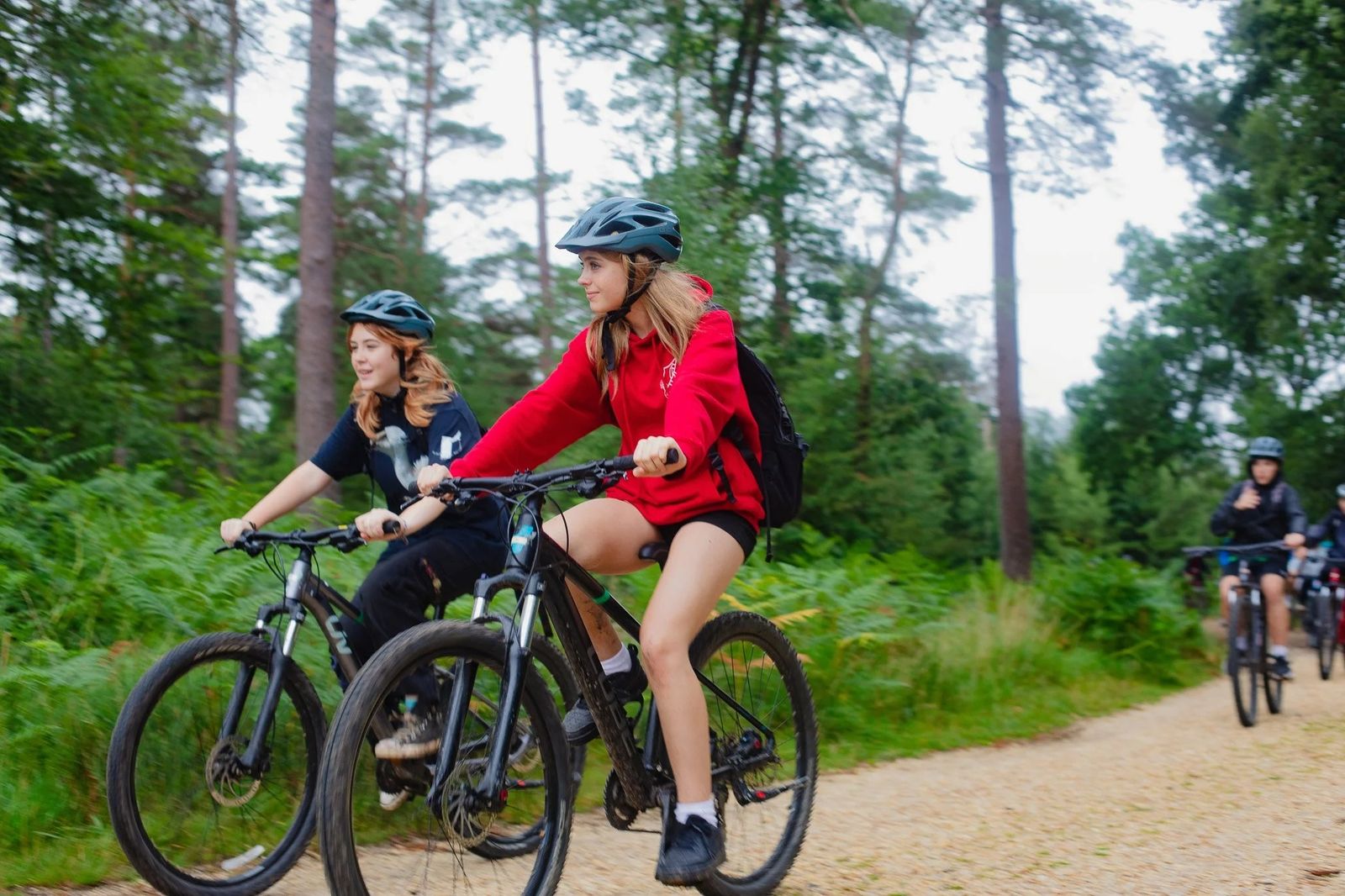
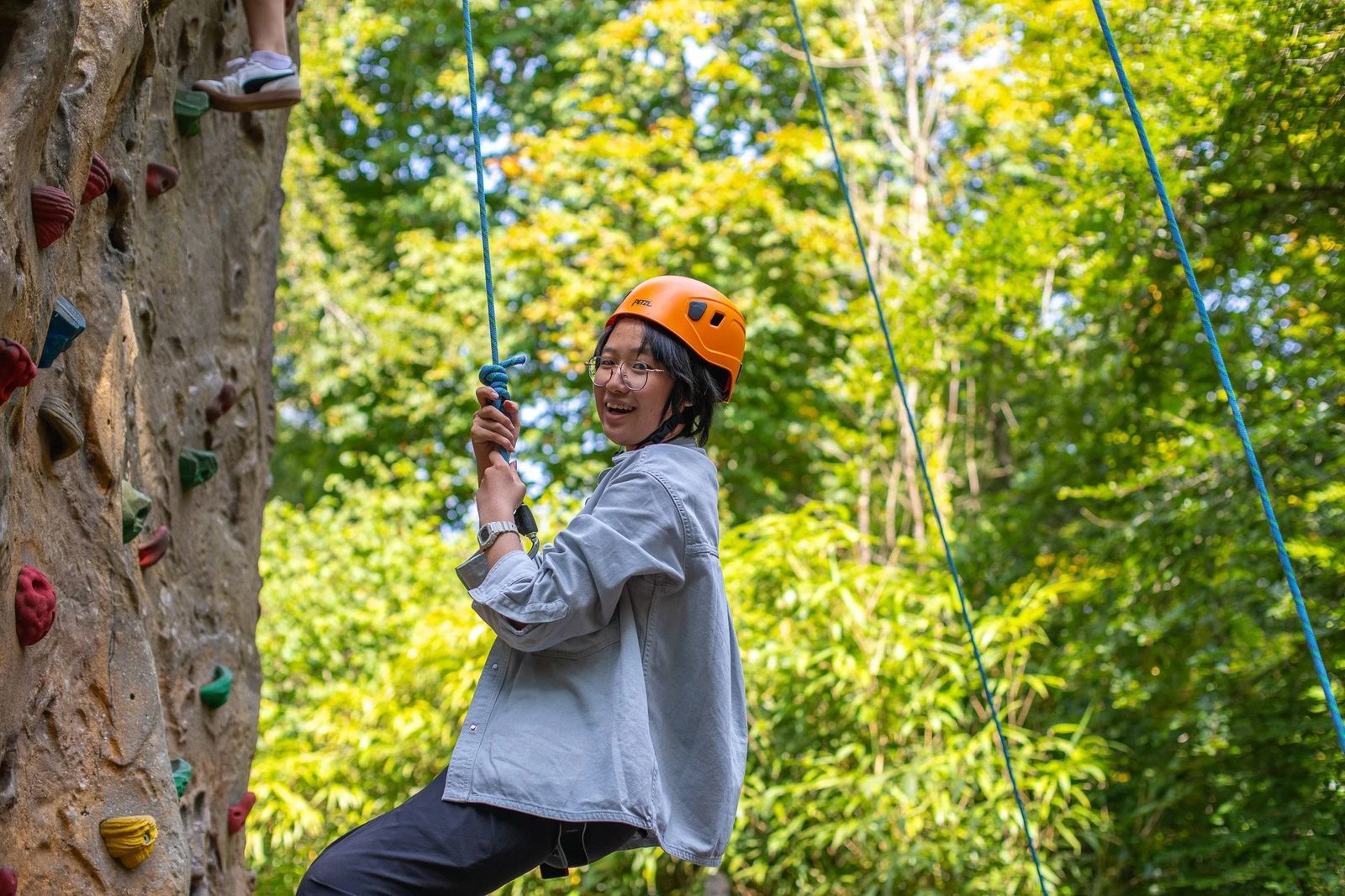
Afternoons are for raft building, kayaking, climbing and high ropes, fencing, bushcraft, archery, mountain biking in the New Forest and campfires — the perfect place to use the English from the morning. Each week includes one full-day and one half-day excursion, such as London, the Jurassic Coast at Durdle Door, Oxford, Southampton, the New Forest water park or the Swanage steam train; two-week students get three full days and two half days out.
Lessons, activities and accommodation are all on the same site, so there's no daily commute, and students live in a glamping village of bell tents that is new for 2027. The camp runs weekly from 27 June to 15 August 2027 on a two-week rotating programme; most students stay one or two weeks. Course materials and an end-of-course certificate are included.
What's included
A day at camp
- 7:30 Breakfast together and a run-through of the day
- 8:45 English lessons until 12:15 (Monday to Friday): speaking and vocabulary work, then presentations, vlogs or creative projects
- 12:30 Lunch and downtime
- Afternoon Adventure activities — raft building, kayaking, climbing, fencing, bushcraft — or a half-day trip
- Evening Dinner, the one-hour phone time, then team games, campfires, a movie night or the talent show; lights out at 22:00
Where campers stay
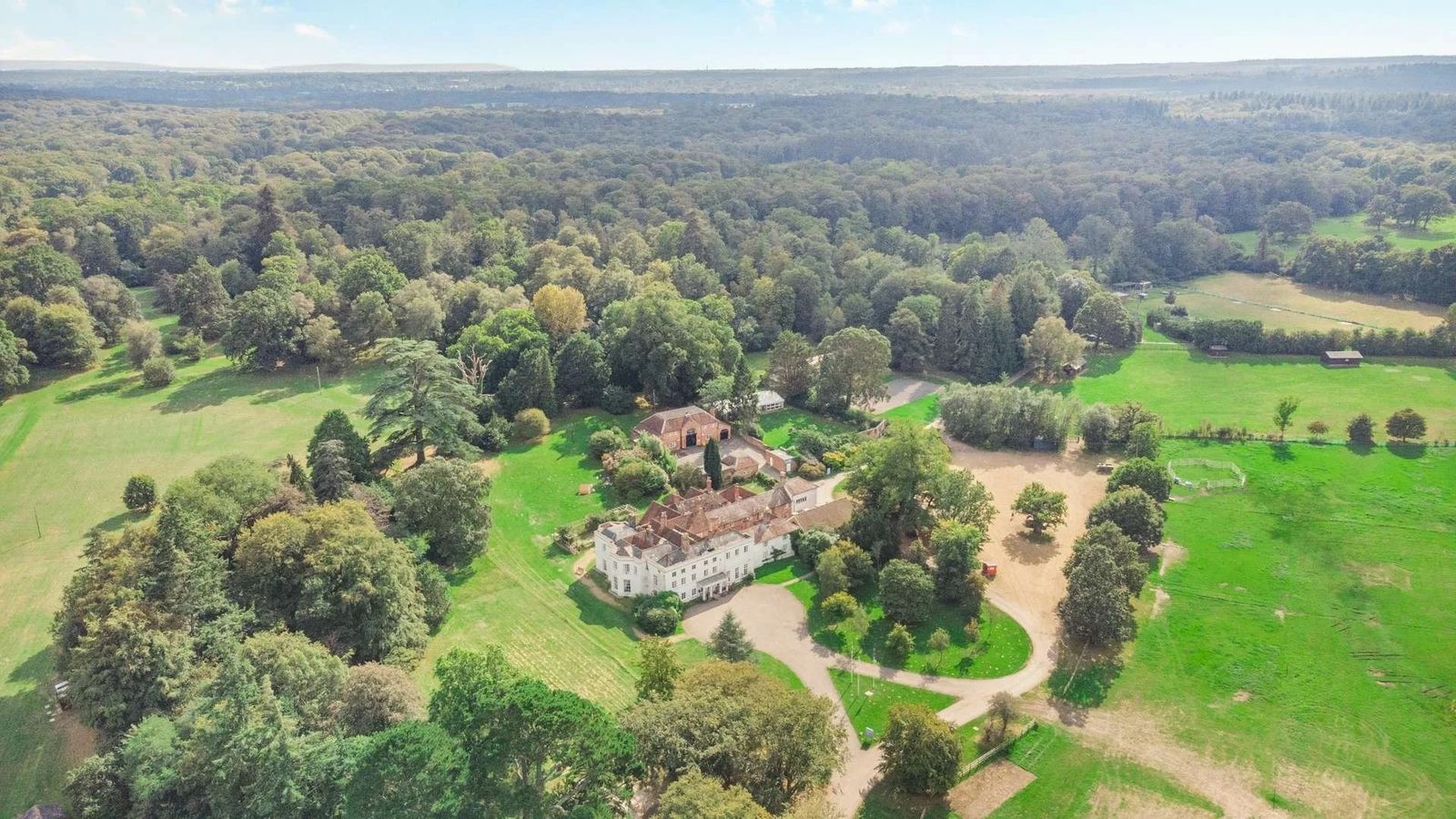
Campers live in the Adventure Village, a glamping village that is new for 2027: around 20 furnished bell tents, each with four single beds (bedding and a pillow provided) and space for belongings, arranged around a large stretch tent used for meals, games and evenings. Tents are separate for boys and girls and grouped by age; friends of the same sex can ask to share, and tents are allocated when campers arrive. Leaders sleep in the village too, with a staff tent in every group of four camper tents. Clean showers and toilets are inside the village, and the site has clear boundaries and controlled access.
Meals
Three meals a day plus snacks and drinks, cooked fresh in the site's indoor kitchen and served in the village's dining tent — things like BBQs, pasta, sandwiches, salads, fish and chips and fajitas, with fruit, yoghurts and savoury snacks in between. Halal, vegetarian and gluten-free diets, allergies and intolerances can all be catered for if you tell us when booking.
Excursions
More photos



Frequently asked questions
What English level does my child need?
The camp hasn't published a minimum level, and classes are small, so it suits a wide range of learners. Tell us roughly where your child's English is (a school grade or CEFR level is perfect) and we'll check placement with the camp before you book.
How many lessons are there, and who teaches them?
20 lessons a week, Monday to Friday from 8:45 to 12:15 — 40 lessons over two weeks — taught by qualified English language teachers. Lessons focus on speaking, listening, reading and writing for real situations, with presentations and vlogs about camp life. Course materials and a certificate are included.
Who will my child be with?
Students in the English programme come from many countries. They share the site, the tents and the evenings with the camp's other campers, including British teens on the Outdoor Adventure Camp — so English is the common language all day, not just in class.
Who looks after the kids?
Staff are with the children day and night. Leaders live in the village with the campers — a staff tent sits in every group of four camper tents — and a member of staff is on night duty, checking tents after lights out and again before wake-up. Across the camp there's one leader for every 8 campers; for instructor-led activities such as kayaking and climbing it's one instructor to 6, and for lower-risk team games one to 10. All staff are enhanced DBS-checked (the UK's criminal-record check for people working with children) and trained in first aid and safeguarding before camp, a Designated Safeguarding Lead oversees welfare, and families get a 24-hour emergency number.
How do we get there?
Fly into Bournemouth, London Heathrow or London Gatwick, or come by Eurostar to London St Pancras. A member of the camp's DBS-checked team meets your child at arrivals and travels with them to camp by minibus. 2027 prices: Bournemouth £25 each way (£50 return), Heathrow or Gatwick £99 each way (£198 return), St Pancras £125 each way (£250 return); other airports are quoted on request. Book flights that land between 1 and 4 pm on arrival day and leave between 9 am and 12 noon on departure day — the minibus leaves the airport an hour after the last scheduled arrival, and on departure day it reaches the airport around 7:30 am. Flights outside those windows can mean waiting at the airport or an extra fee. Flights aren't included.
Can they bring a phone?
Phones are collected on arrival and kept safe by the team. Campers get one set hour every evening to call home, message friends or just have some downtime, and they can take their phones on excursions for photos and navigation. Outside those times phones stay away — one used at the wrong time is held until the next phone hour. In an emergency you don't have to wait: call the camp team and they'll find your child, even mid-activity.
Does my child need a visa?
Families arrange travel documents themselves. Children with an EU passport don't need a visa for a summer camp, but each child needs their own approved ETA (Electronic Travel Authorisation) before they travel — apply on the UK government website or the UK ETA app a few weeks ahead. They must travel on a passport: national ID cards are no longer accepted for most EU citizens. If your child does need a visa, the camp can issue an invitation letter. For any other passport, ask us and we'll check what applies.
Is there a discount for booking early?
Yes — at the moment the operator takes 15% off 2027 camps for early booking, so a week costs £1,104.15 instead of £1,299. It's a limited-time offer and the operator can end it at any point, so ask us whether it still applies before you decide. The price shown on this page is the full price.
How does booking work?
A £100 deposit holds the place. The camp invoices the balance 12 weeks before the start date, and it's due 8 weeks before camp. Tell us your preferred dates and we'll check availability and send you everything you need.