



Overview
A week-long, college-style introduction to the business of sports in New York. It's led by Professor Stephen Master, who has taught sports marketing at NYU's Stern School of Business for over 20 years and worked as an executive at the NFL and the NBA.
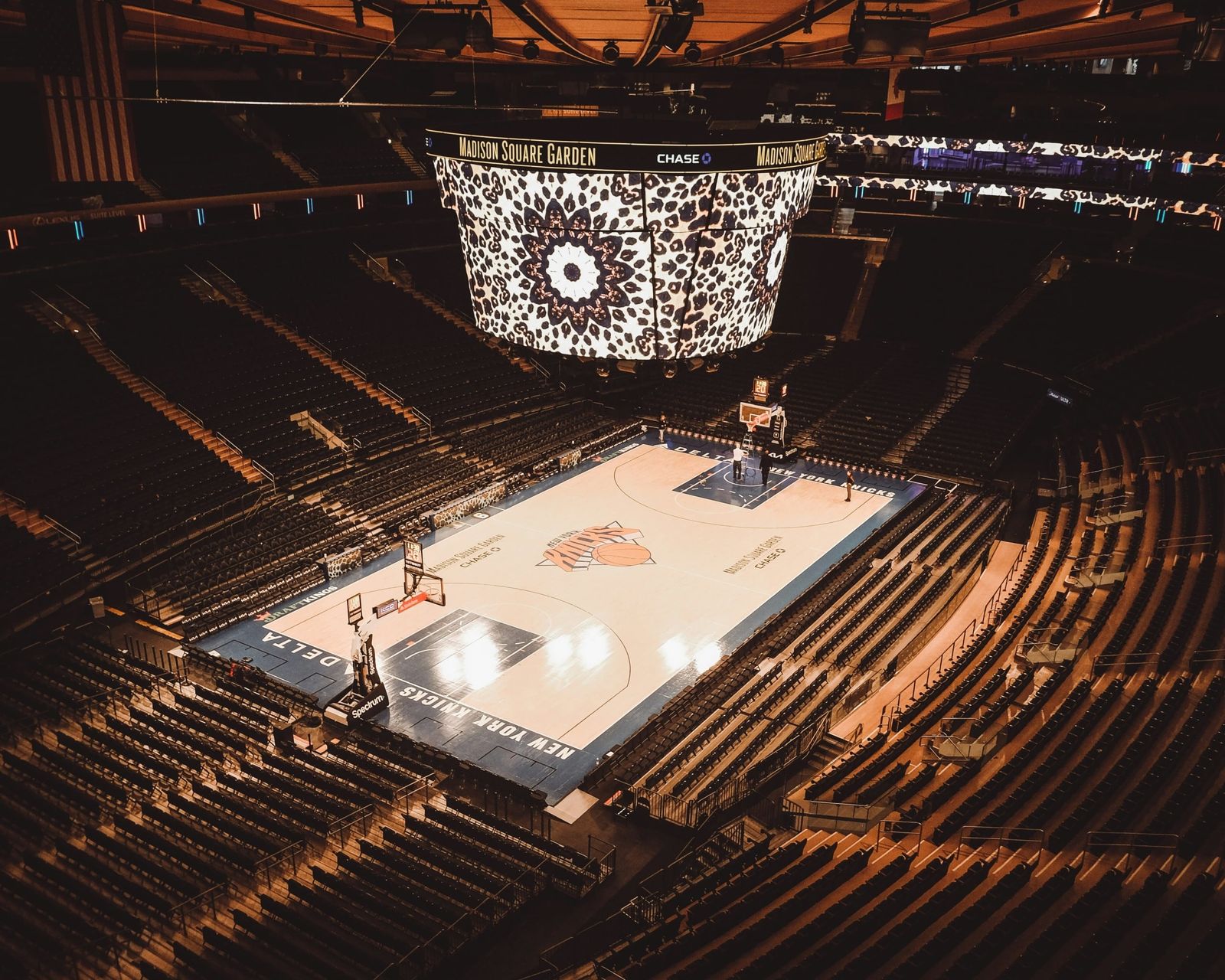
The New York week is about teams, athletes and leagues as brands: fans and brand loyalty, athlete branding on social media, endorsements, merchandising, digital media and mega-events like the World Cup and the Super Bowl. There are two behind-the-scenes site visits (for example Madison Square Garden, Yankee Stadium or Barclays Center), guest speakers from a top talent agency, Fanatics, US Soccer and the NBA, case studies from Nike to Federer, and a team capstone project — designing a pro athlete's endorsement portfolio.
Evenings are for the city: the High Line, Central Park, Times Square, the Edge observation deck and the Brooklyn Bridge. The group of up to 36 students stays at a modern hotel in Times Square. It's a selective program — after enrolling, students fill in a short application — and finishes with a certificate and an alumni network.
What's included
The itinerary
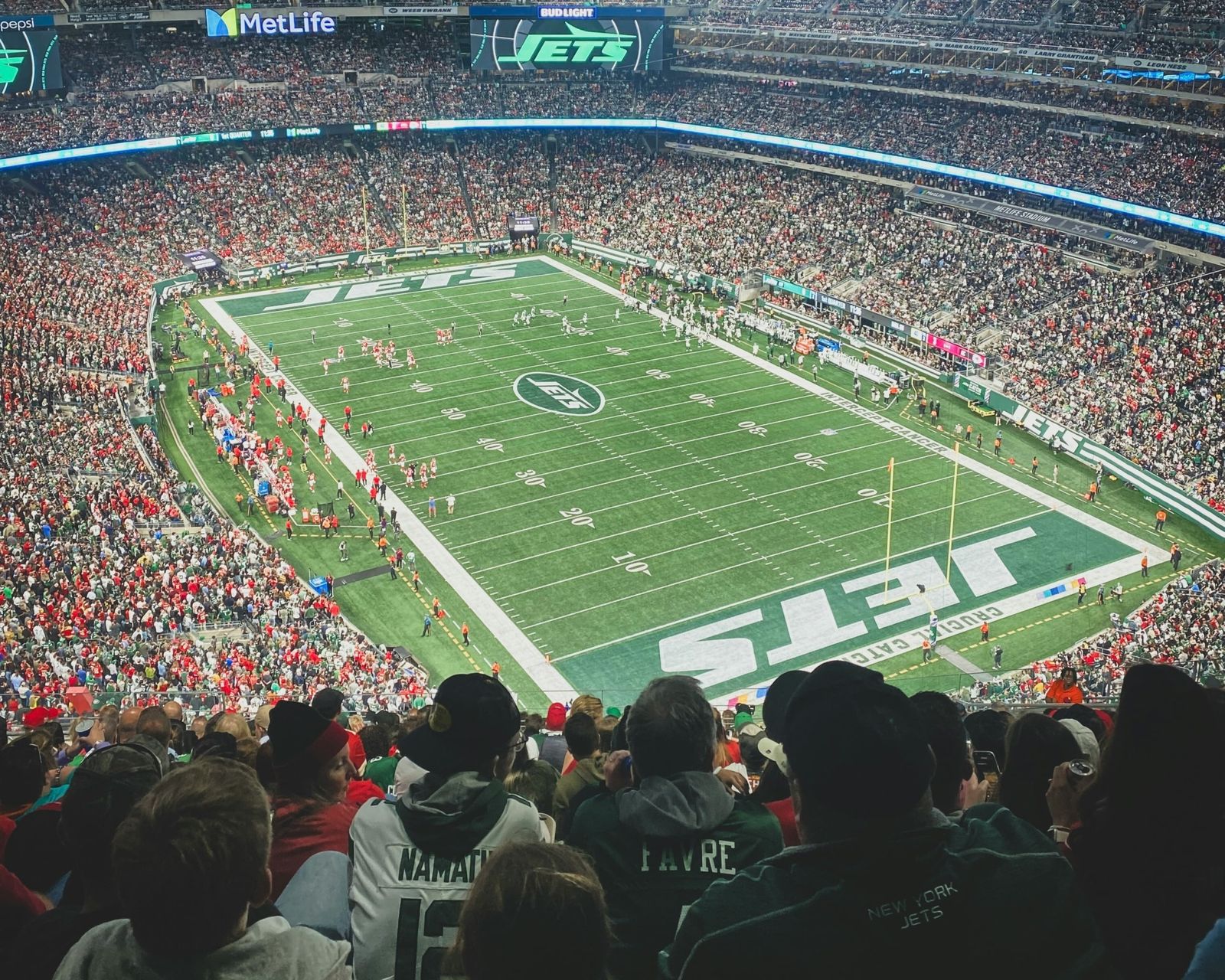
- Days 1–7 New York City — Arrival on day 1 and check-in at the Times Square hotel. Then: Classes on teams, athletes and leagues as brands: the emotional bond between fans and brands, athlete branding on social media, sports consumer behaviour, digital media, marketing mega-events like the World Cup and the Super Bowl, merchandising and licensing, designing the in-stadium experience, social responsibility, and managing and marketing athletes. Case studies include IMG's work with Maria Sharapova and Roger Federer, Dwyane Wade's endorsement portfolio, Nike and the sneaker wars, and how Fanatics became the biggest sports e-commerce company. Two site visits, which may include Madison Square Garden, MetLife Stadium (Giants), Yankee Stadium, Barclays Center (Nets and Liberty) or Citi Field (Mets), plus guest speakers from a top talent agency, Fanatics, US Soccer and the NBA league office. The week's capstone: design the endorsement portfolio for a professional athlete. Late afternoons and evenings in New York: the High Line, Central Park, Times Square, the glass-floored Edge observation deck, a walk across the Brooklyn Bridge and South Street Seaport. Flights home from New York on day 7.
Where teens stay
The M Social Hotel Times Square — a modern hotel right in the middle of Manhattan, above the bustle of Times Square and within walking distance of many of the city's sights. Roommates are assigned by the staff, and Wi-Fi is included.

Meals
Breakfast and dinner are included every day — breakfast with hot and cold choices, dinner out at restaurants, sometimes all together and sometimes in smaller groups trying different places. Lunch is not included: teens pick cafés and small restaurants nearby in small groups, so plan for it in their spending money. Vegetarian, kosher-style, gluten-free (coeliac) and lactose-free diets and most allergies can be catered for if you tell us in advance.
More photos

Frequently asked questions
Which departure is right for my child?
This program is for teens in grades 9–12 (roughly ages 14–18), and the sheet and the operator's website agree on that. Dates: Jul 18–24 or Aug 1–7. The grade is the one your child is in during the 2026–27 school year — we'll help you match it to your school system. Dates are the operator's official start and end dates.
Who teaches it?
Professor Stephen Master, who has taught sports marketing at NYU's Stern School of Business for more than 20 years and worked as an executive at both the NFL and the NBA. The program is modelled closely on his NYU Stern course in sports marketing and media, and his industry contacts are what open the doors for the site visits and speakers. Visits and speakers depend on people's schedules, so the exact line-up can change.
Is there an application?
Yes — this is a selective program for motivated, mature students who are ready to join class discussions and talk to professionals. After the normal enrolment form and deposit, the operator sends a short application form, to be completed within 5 business days, asking about your child's interest in sports management, their goals, and their commitment to the program's standards. The decision comes by email within another 5 business days. We'll help your child prepare a strong answer — and we'll confirm with the operator what happens to the deposit if a student isn't accepted.
Does my child play sport on this program?
No — it's about the business behind the game: marketing, sponsorship, media, data, finance and careers in the sports industry. It suits a teen who loves sport and is curious about working in it (or studying business), whether or not they play themselves.
What does a typical day look like?
On weekdays: breakfast at 8:30, class from 9:30, lunch at noon, then from 2:00 a site visit or guest speaker. Around 5:00 the group heads out for a city highlight, dinner is at 7:00, and there's an evening activity at 9:00.
Is there a certificate?
Yes. On completion teens receive a certificate from the operator and the Sports Business Bootcamp, join its alumni network, and can stay in touch for advice on internships, university majors and career paths. Reference letters are available on request — useful for university applications.
How do flights and arrival work?
The program starts and ends in New York, so you book a return flight to New York. Please check the operator's arrival and departure time windows with us before buying anything non-refundable. Staff meet your child at the airport and bring them to the hotel at no extra cost (or you can drop them at the hotel yourselves), and teens flying in from overseas can arrive the night before the official start with the extra hotel night included. On the last day the leaders help with check-in and stay at the airport until flights in the set window have left; flights back to Europe are usually overnight.
What exactly is included in the price?
Hotel accommodation, breakfast and dinner every day, all classes, site visits and guest speakers, the city activities listed, local transport (subway, "L" trains and buses), Wi-Fi at the hotel, airport transfers for flights within the set time windows, tips and local taxes. Not included: flights to and from the program, lunches and snacks, spending money, laundry (one week of clothes is enough), the operator's application fee, and travel insurance — optional, but we strongly recommend it.
Is there a discount for enrolling early?
Yes — at the moment the operator takes US$200 off the tuition for early enrolment, so the 7-day program costs US$4,599 instead of US$4,799. It's a limited-time offer and the operator can end it at any point, so ask us whether it still applies before you decide. The price shown on this page is the full tuition.
Does my child need a visa or an ESTA?
Families arrange travel documents themselves. Teens with a passport from most EU countries need an approved ESTA (the online US travel authorisation) before they board — apply well ahead. Teens from other countries need a B-2 visitor visa, not a student visa — ask us. If a teen living outside North America is refused a visa before 1 June, the operator offers a move to another program, a roll-over to the following summer, or a refund minus US$450.
Who else will be in the group?
Mostly American high-school students — on most programs around 85% of participants come from the US, and the operator tries to limit how many teens from any one other country join each group. For an international teen that means a genuinely English-speaking group of motivated students with the same interest, which is a big part of the appeal.
How good does my child's English need to be?
A solid intermediate level — the operator recommends B1 or above for its career programs, because the classes, case studies, team projects and presentations all happen in English. Your child can ask for an English-speaking roommate, and one-to-one English conversation time with a staff member can be arranged daily or a few times a week.
Can my child come on their own?
Yes, and many do. The first days are built around icebreakers and getting-to-know-you activities, roommates are assigned by the staff, and team projects mean everyone works closely with new people from day one.
Are phones allowed?
Yes. Teens can bring their phone, so you can call or message them directly. The operator also runs a communication centre that's staffed every day of the summer, with someone on call around the clock for emergencies.