

Overview
The first 17 days of the Northwestern Odyssey: the Pacific Northwest of the USA and the mountains of western Canada. In Oregon the group rides a jet boat on the Willamette River, learns to surf and takes a dune buggy through the coastal sand dunes, then heads to Seattle for Pike Place Market, the Space Needle and a sail on Puget Sound.
In British Columbia it's Whistler — the Peak 2 Peak gondola, a via ferrata climb and North America's longest zipline — followed by waterskiing on Okanagan Lake. The last days are in the Canadian Rockies: Lake Louise and a hike to a mountain teahouse, Peyto Lake and a ride onto the Athabasca Glacier, before the trip ends in Calgary.
Groups of 28 to 48 teens travel by private coach with a professional driver, and younger teens (grades 7–8) have a departure of their own. Teens on this version fly home from Calgary, while the rest of the group continues to Glacier, Yellowstone and Park City on the 25-day trip.
What's included
The itinerary
- Days 1–2 Portland, Oregon — Fly into Portland; the trip starts with icebreakers. A jet-boat ride on the Willamette River, a surrey bike along the waterfront, and an evening of ice skating and Voodoo Doughnuts.
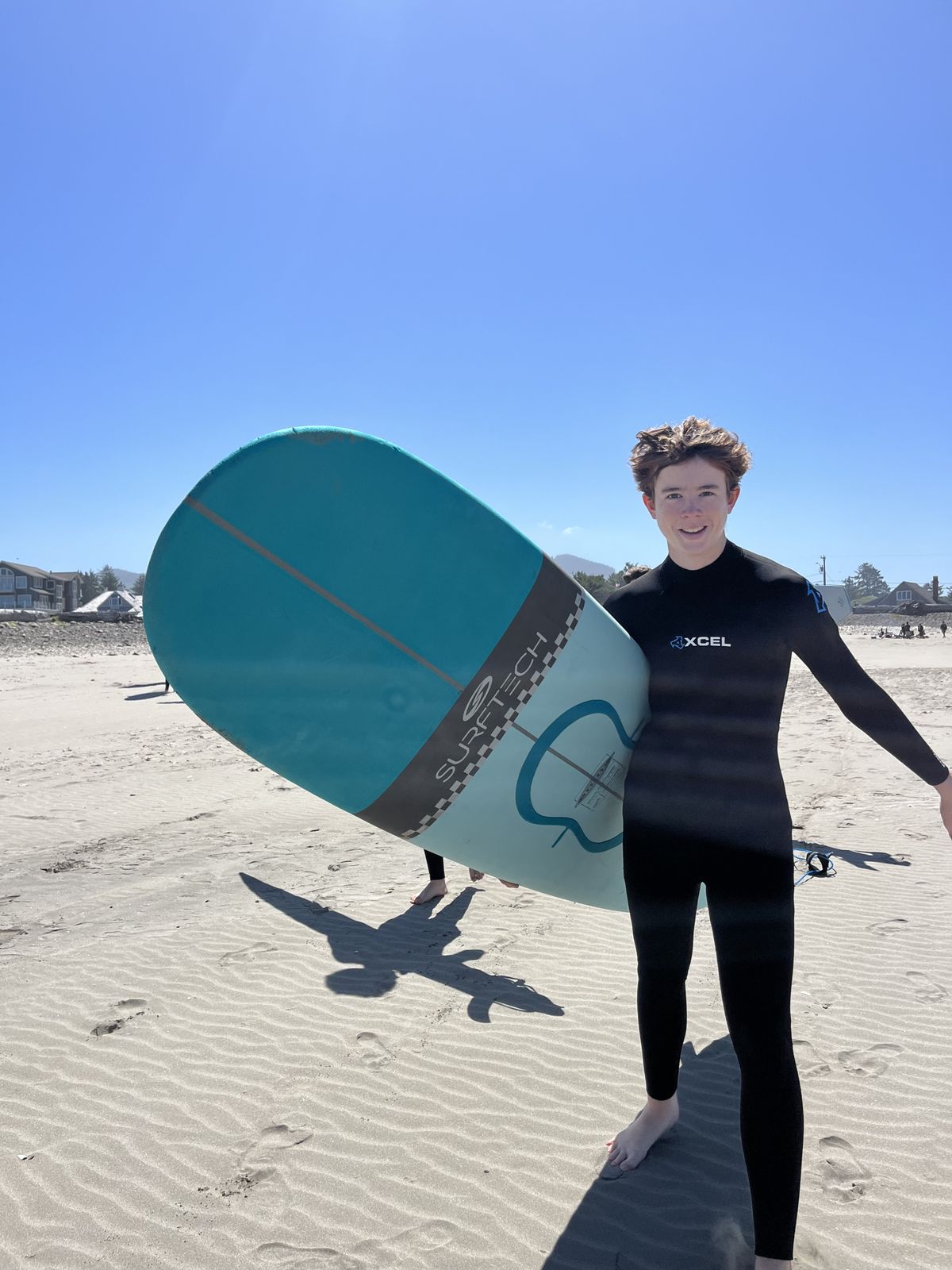
- Days 3–4 Eugene & the Oregon coast — Surf lessons with a professional school on the Oregon coast and a dune-buggy tour through the huge coastal sand dunes, with nights in the university town of Eugene.
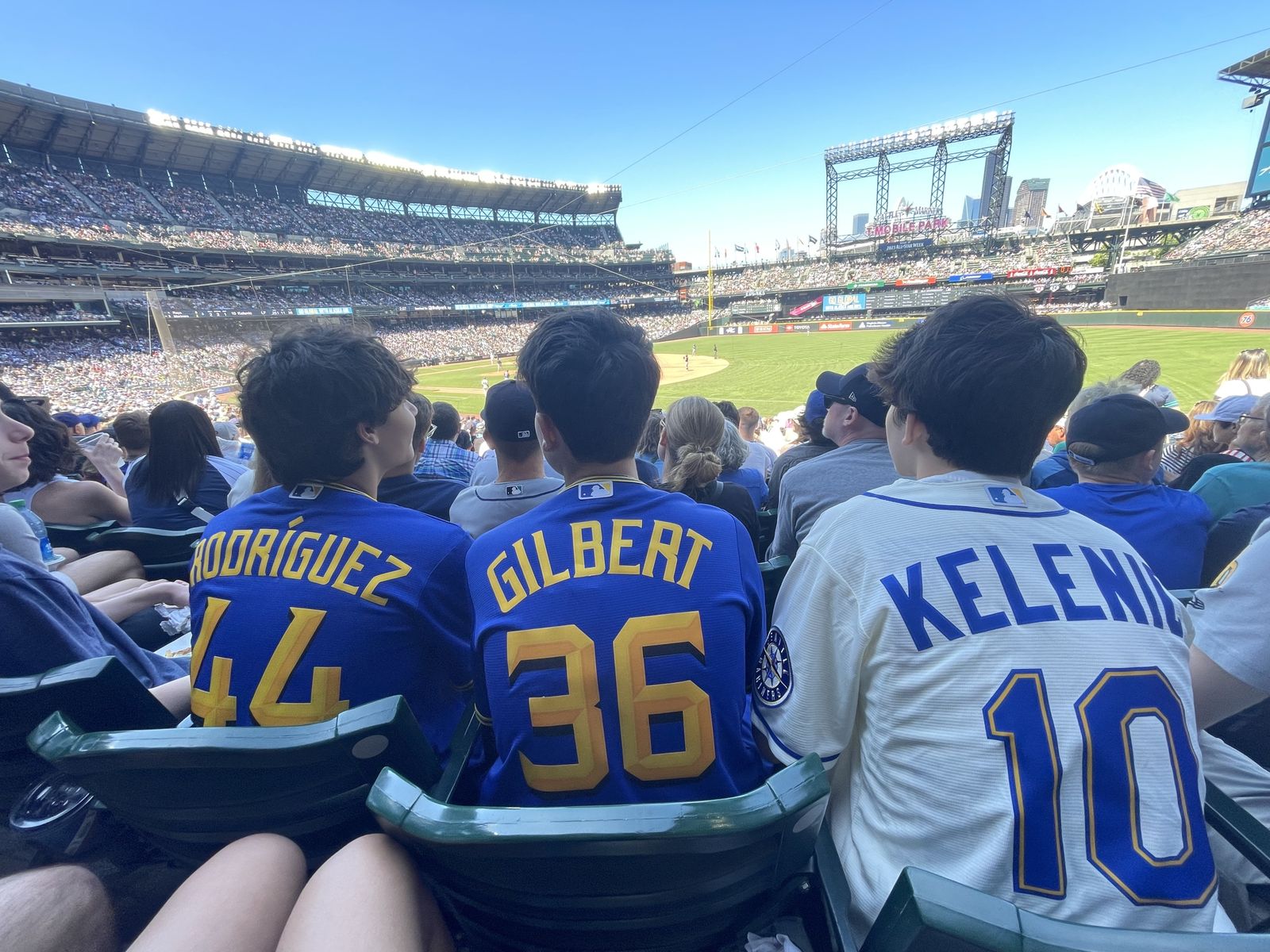
- Days 5–7 Seattle, Washington — Pike Place Market and its fish-throwing fishmongers, the Gum Wall, a sail on Puget Sound in a performance yacht, the top of the Space Needle, performing to a virtual crowd at the Museum of Pop Culture, a game of Whirlyball (basketball and lacrosse played in bumper cars) and, if the Mariners are at home, a baseball game.
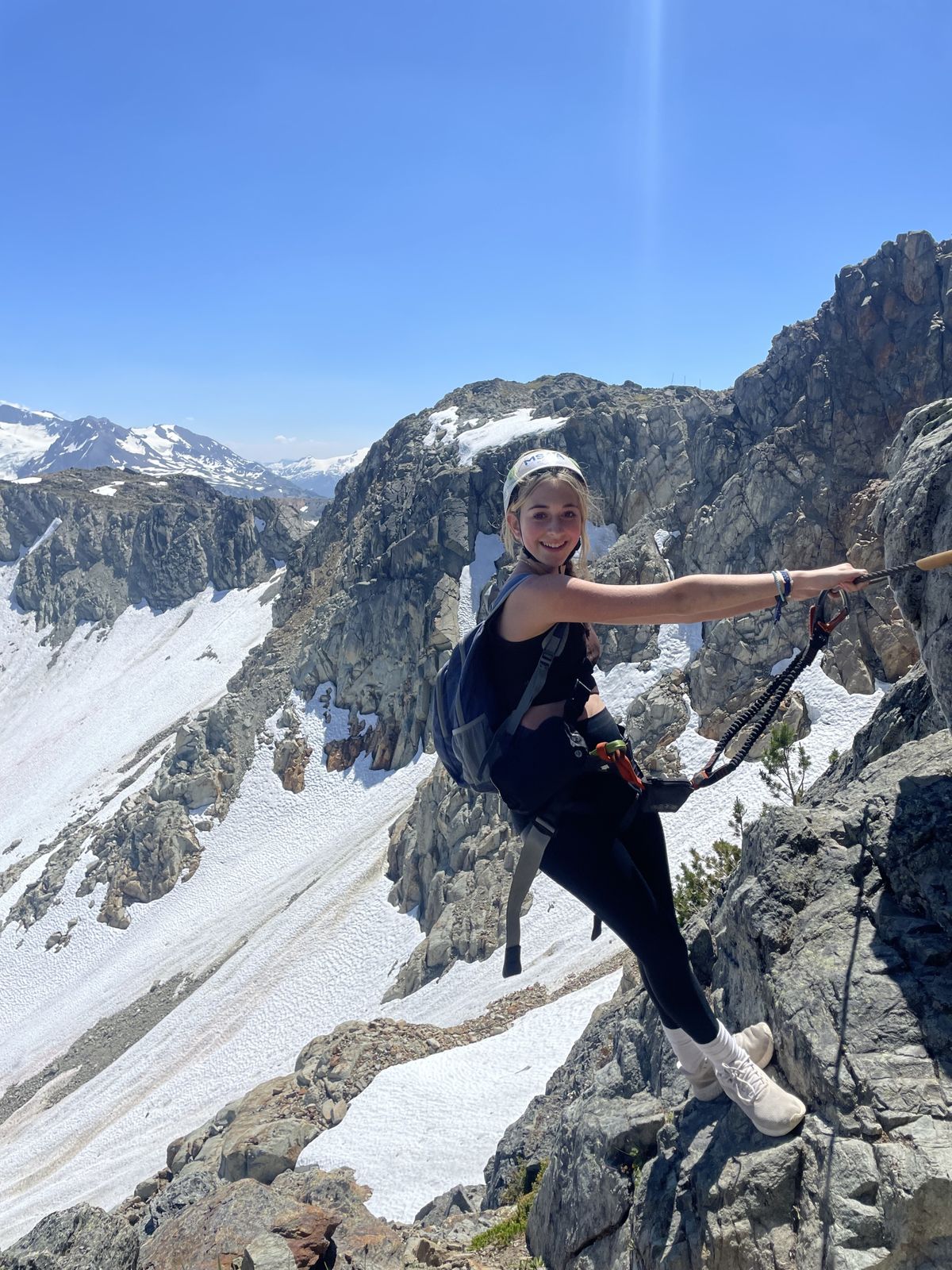
- Days 8–10 Vancouver & Whistler, British Columbia — Into Canada: street performers and a market lunch on Granville Island in Vancouver, then Whistler — the Peak 2 Peak gondola between Whistler and Blackcomb mountains, a via ferrata climb along steel cables and rungs, and the Sasquatch, at over two kilometres the longest zipline in Canada and the USA. Nights in condo-style suites with an outdoor hot tub.
- Days 11–12 Okanagan Valley, British Columbia — Waterskiing or wakeboarding lessons on Okanagan Lake with professional instructors (wakesurfing for experienced riders), banana-boat rides and beach time in Kelowna.
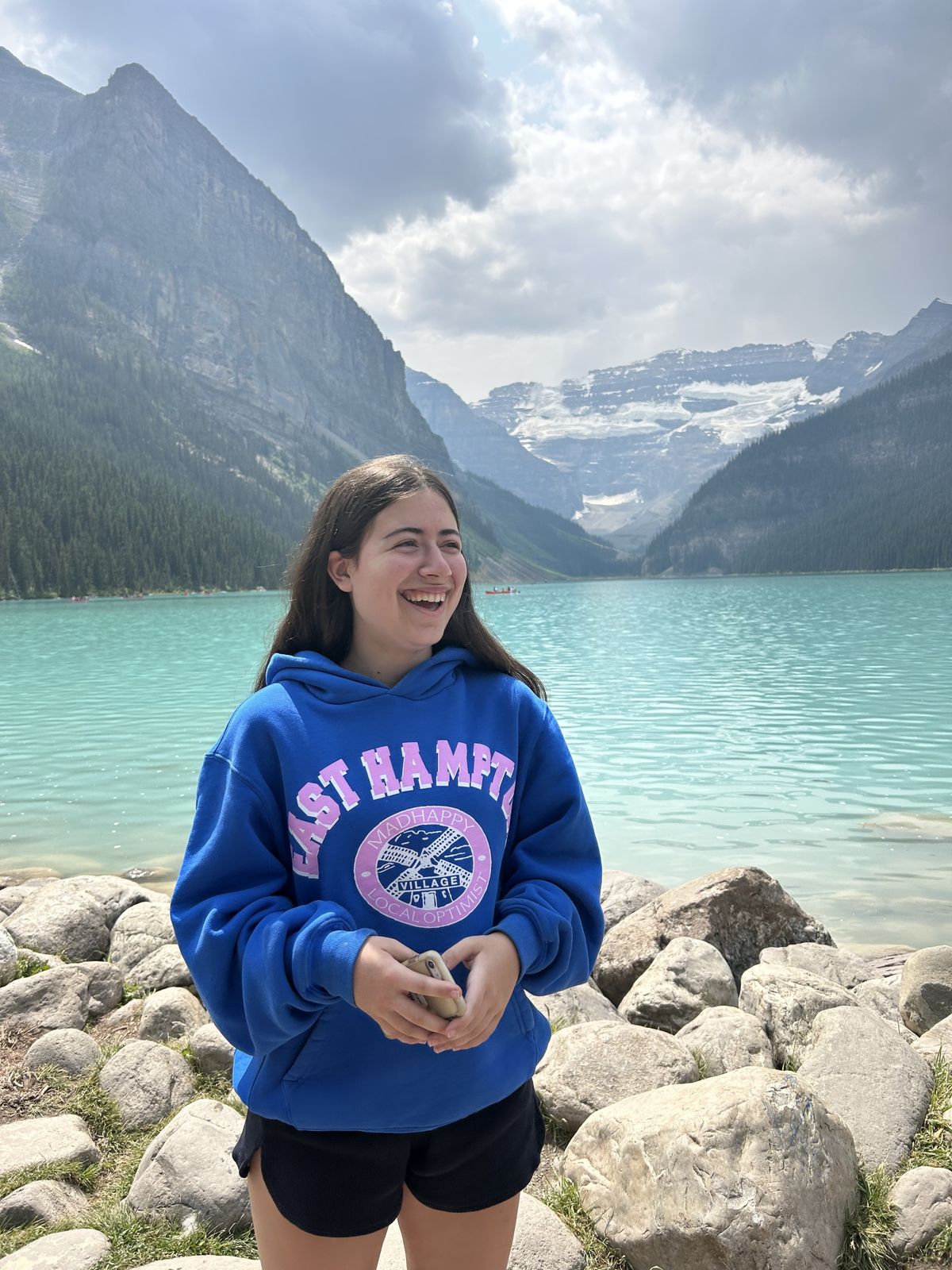
- Days 13–15 Banff & Jasper, Alberta — The Canadian Rockies: emerald Lake Louise and a hike past Mirror Lake to the Lake Agnes Teahouse for its famous apple crumble, the town of Banff, Peyto Lake and Bow Falls, and a ride in a giant all-terrain snow coach onto the Athabasca Glacier on the Columbia Icefield in Jasper National Park.
- Days 16–17 Calgary, Alberta — The last stop, with the Calgary Stampede rodeo festival when its dates line up with the group's visit, and a farewell evening. Flights home from Calgary on day 17.
Where teens stay
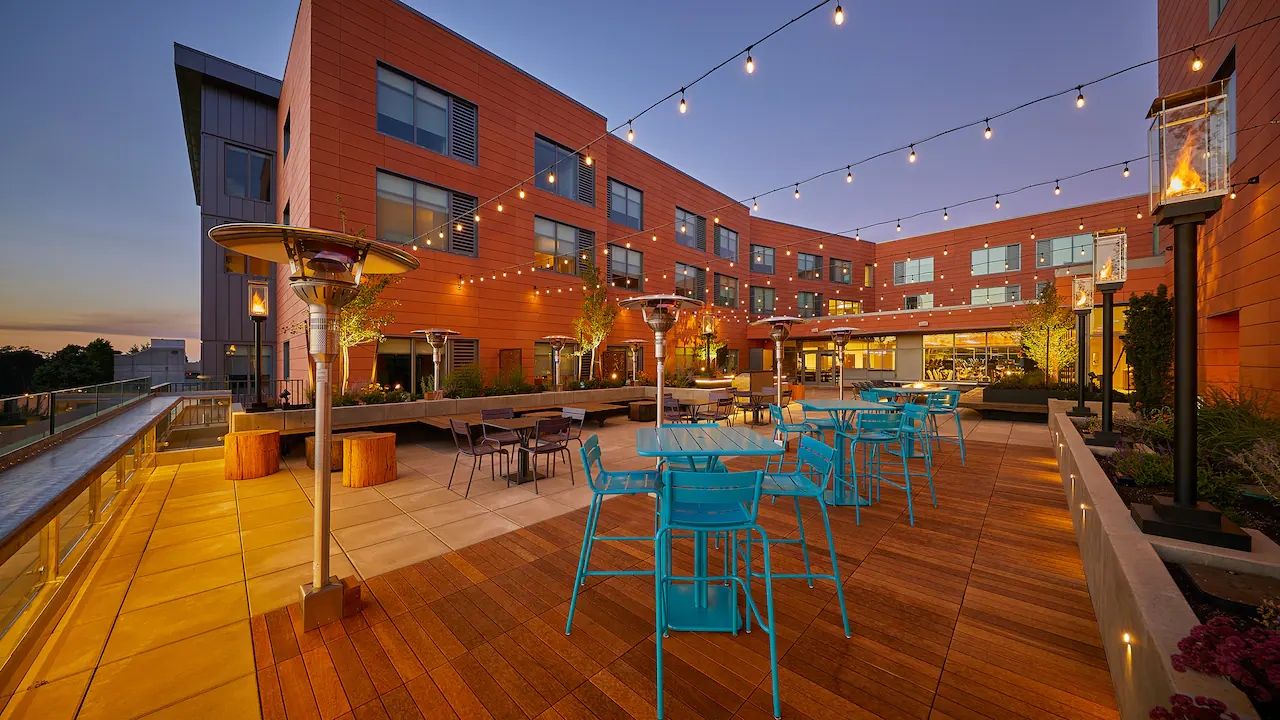
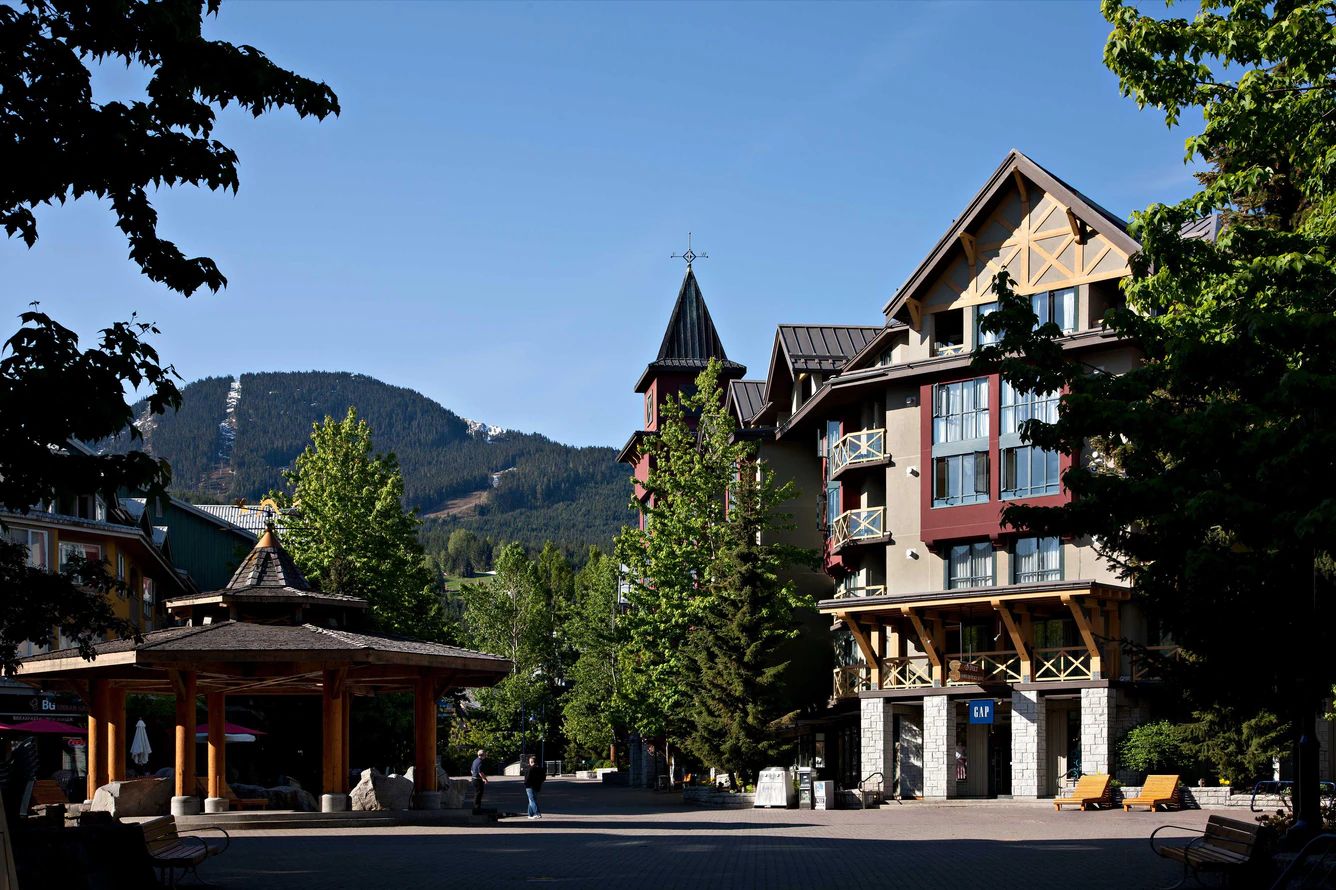
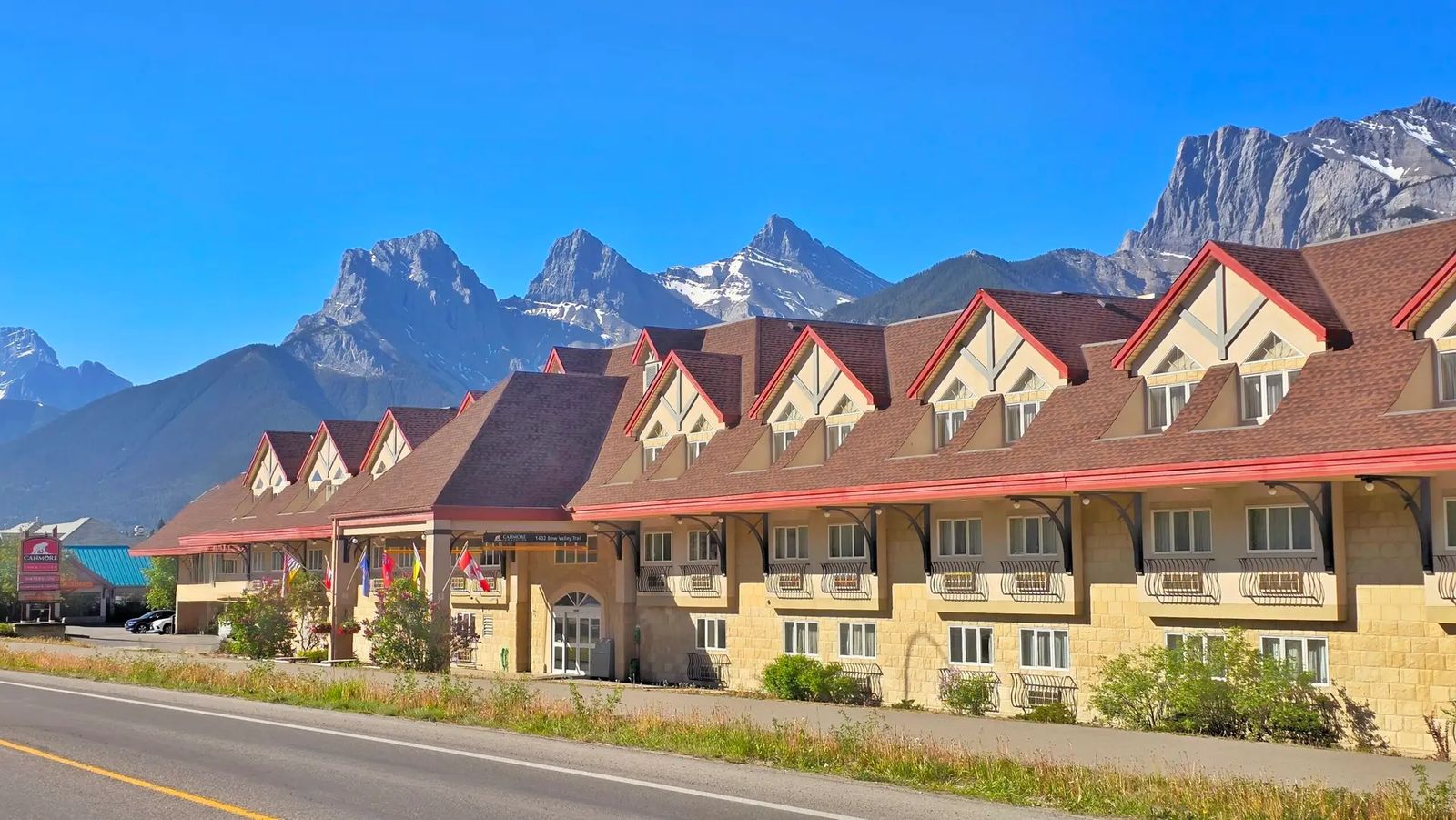
Hotels and resorts, in rooms for two or three teens with a bed each: modern hotels near Portland airport and in Eugene; an all-suite hotel in Bellevue, across the lake from Seattle; condo-style suites with kitchens, an outdoor pool and a hot tub at the foot of Blackcomb Mountain in Whistler; a hotel near Okanagan Lake in Kelowna; hotels in Canmore in the Bow Valley for Banff; and a hotel with an indoor pool and waterslide in south Calgary. The exact hotel at each stop is confirmed before departure.
Meals
Breakfast and dinner are included every day, at restaurants the operator picks for teen groups — anything from hibachi grills, barbecue and Italian places to food halls and the occasional famous chain, with a dessert stop now and then. Lunch is not included: teens eat in small groups at local cafés and restaurants, so plan for it in their spending money. Vegetarian, kosher-style, gluten-free (coeliac) and lactose-free diets and most allergies can be catered for if you tell us in advance.
More photos
Frequently asked questions
Which departure is right for my child?
Groups are put together by US school grade, so each departure has teens of a similar age. Grades 7–8 (roughly ages 12–14, a middle-school departure): Jun 26–Jul 12. Grades 9–10 (roughly ages 14–16): Jun 29–Jul 15. Grades 9–11 (roughly ages 14–17): Jul 2–18. The grade is the one your child is in during the 2026–27 school year — we'll help you match it to your school system. Dates are the operator's official start and end dates.
How do flights and arrival work?
The trip starts in Portland, Oregon and ends in Calgary, Canada, so you book a flight into Portland (PDX) and a flight home from Calgary. Please check the operator's arrival and departure time windows with us before buying anything non-refundable. Staff meet your child at the airport and take them to the group at no extra cost, and teens flying in from overseas can arrive the night before the official start with the extra hotel night included. From Europe, most routes connect through a large US airport, where your child goes through immigration before the onward flight. On the last day the leaders help with check-in and stay at the airport until flights in the set window have left; flights back to Europe are usually overnight, so your child lands home the next day. Most of the staff stay on with the 25-day group, so the leaders see the 17-day teens through check-in in Calgary rather than flying home with them.
What exactly is included in the price?
Accommodation, breakfast and dinner every day, all the activities in the itinerary, airport transfers for flights within the set time windows, tips and local taxes. Not included: flights to and from the trip, lunches and snacks, spending money, laundry (a laundromat stop about once a week — the operator supplies the detergent and shows first-timers how it works), the operator's application fee, and travel insurance — optional, but we strongly recommend it.
Is there a discount for enrolling early?
Yes — at the moment the operator takes US$300 off the tuition for early enrolment, so the 17-day trip costs US$7,899 instead of US$8,199. It's a limited-time offer and the operator can end it at any point, so ask us whether it still applies before you decide. The price shown on this page is the full tuition.
What documents does my child need for the USA and Canada?
Families arrange travel documents themselves, and the passport must be valid for the whole trip. For the USA, teens from a Visa Waiver country — Czechia and most of the EU included — need an approved ESTA before they fly in; teens from other countries need a B-2 visitor visa, not a student visa. The group crosses into Canada by road from Seattle, and Canada's eTA is only required for arrivals by air, so for most European passports the passport itself is what counts; some nationalities need a Canadian visitor visa, so check with us. This version ends in Canada and teens fly home from Calgary; no eTA is needed to leave Canada. Border officers may ask a minor travelling without their parents for a signed letter of consent from both parents — the operator tells you exactly what to pack. If a teen living outside North America is refused a US visa before 1 June, the operator offers a move to another program, a roll-over to the following summer, or a refund minus US$450.
Is there a longer version?
Yes — the 25-day Northwestern Odyssey follows exactly the same route to Calgary, then continues to Glacier National Park, Yellowstone and Park City, ending in Salt Lake City.
Will the group see the Calgary Stampede?
The Calgary Stampede — a huge rodeo and summer festival held every July — is on the plan whenever its dates overlap with the group's days in Calgary. Whether that happens depends on the departure, so ask us and we'll check for your date.
Is there a departure just for younger teens?
Yes — the Jun 26 departure is only for teens finishing grades 7 and 8 (roughly ages 12–14), so younger travellers are with children their own age. The other dates are for grades 9–11.
Who else will be in the group?
Mostly American teens — on most programs around 85% of participants come from the US, and the operator tries to limit how many teens from any one other country join each group. For an international teen that means a genuinely English-speaking group, which is a big part of the appeal.
How good does my child's English need to be?
At least a confident beginner level — the operator recommends A2 or above, since everything on the trip happens in English. Your child can ask for an English-speaking roommate, and one-to-one English conversation time with a staff member can be arranged daily or a few times a week.
Can my child come on their own?
Yes, and many do. The first days are built around icebreakers and getting-to-know-you activities, roommates are assigned and rotated, and the staff actively help everyone settle into the group.
Are phones allowed?
Yes. Teens can bring their phone, so you can call or message them directly. The operator also runs a communication centre that's staffed every day of the summer, with someone on call around the clock for emergencies.