

Overview
The operator's city-as-classroom camp, in London. Each weekday morning, groups of up to eight meet their teacher at a different spot — Granary Square behind King's Cross, Battersea Power Station, the Barbican — and three times a week the lesson becomes a class excursion. Lessons are built around speaking and fluency, with Fridays for working on the week's mistakes.
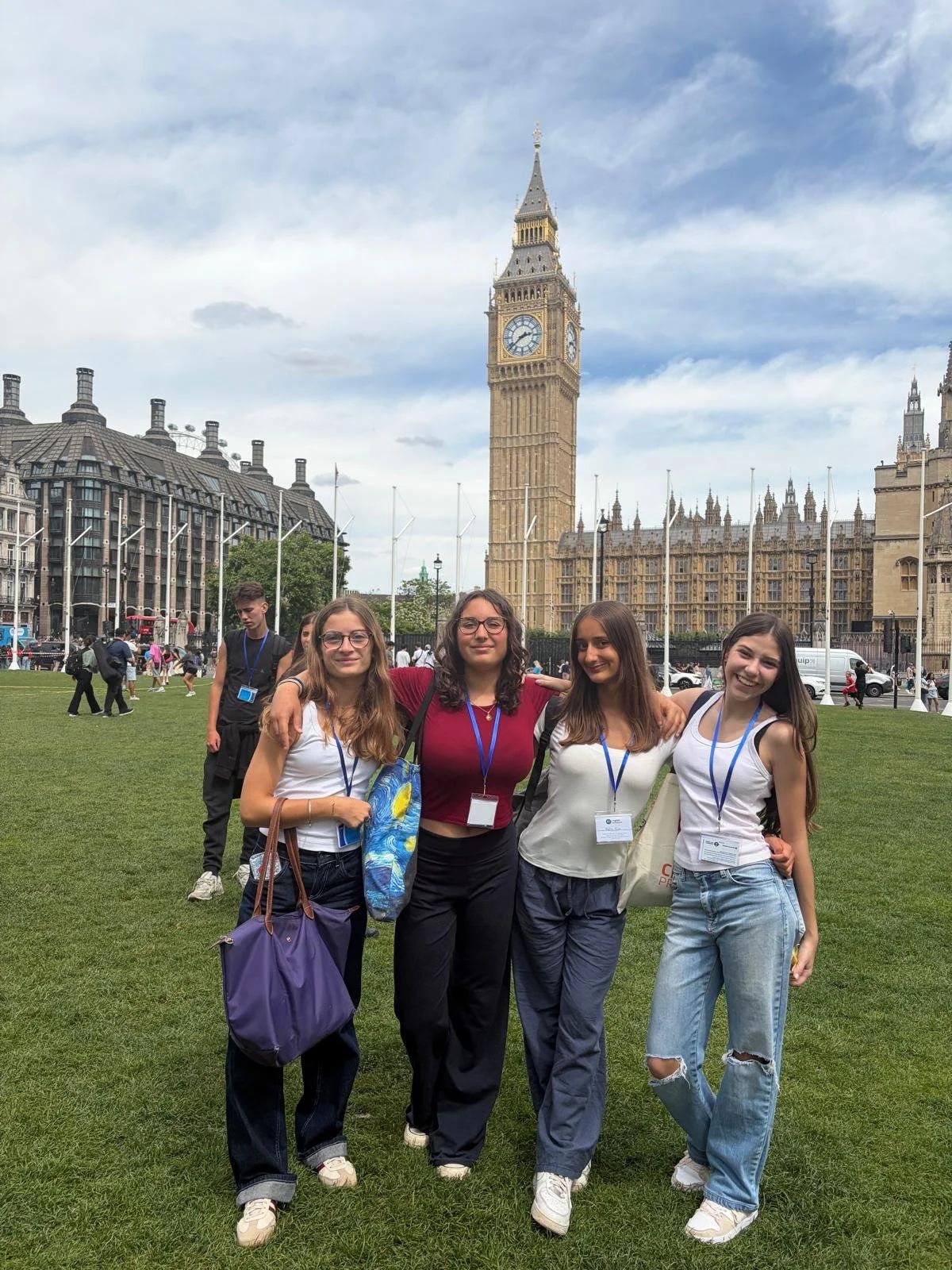
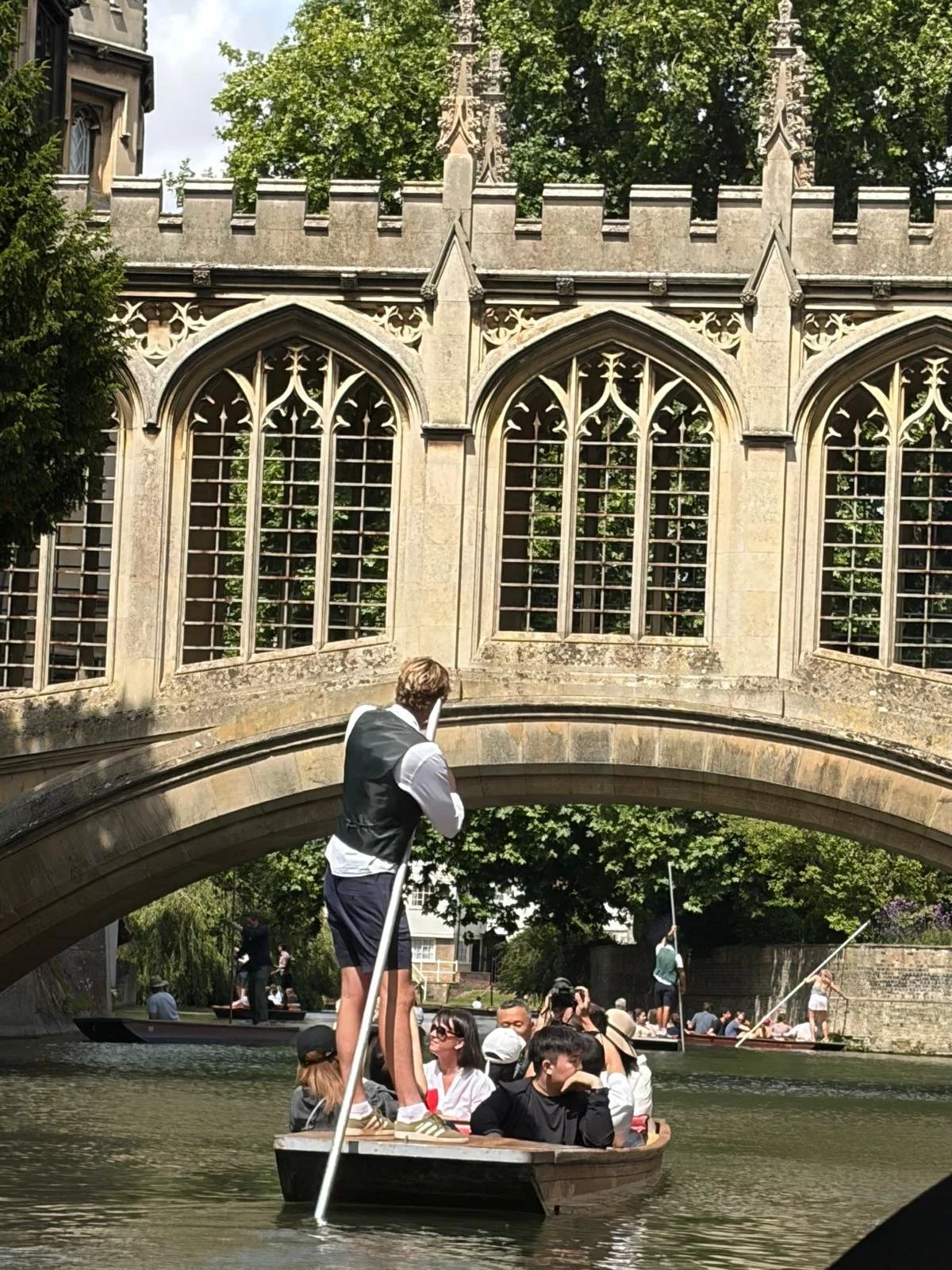
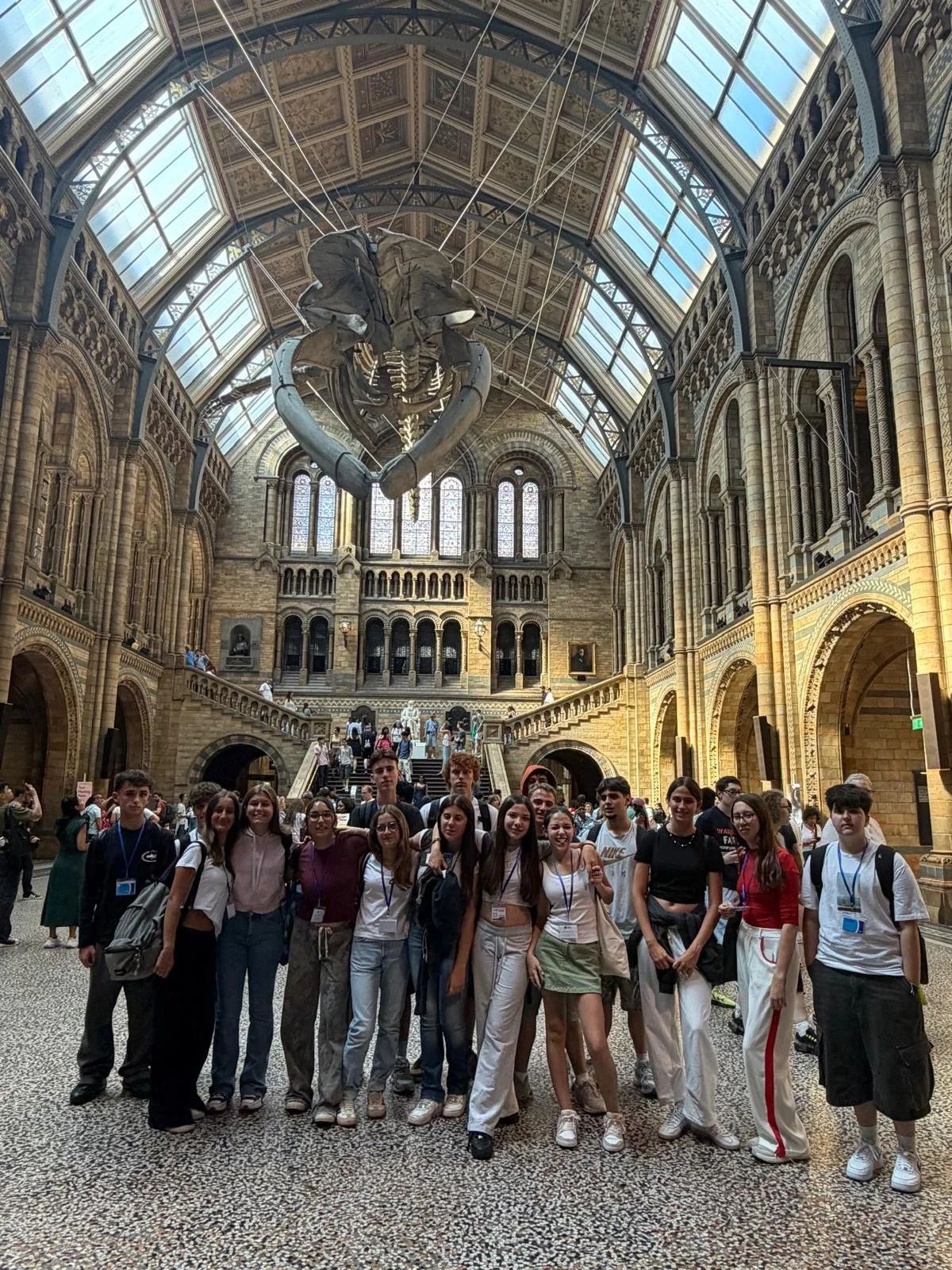
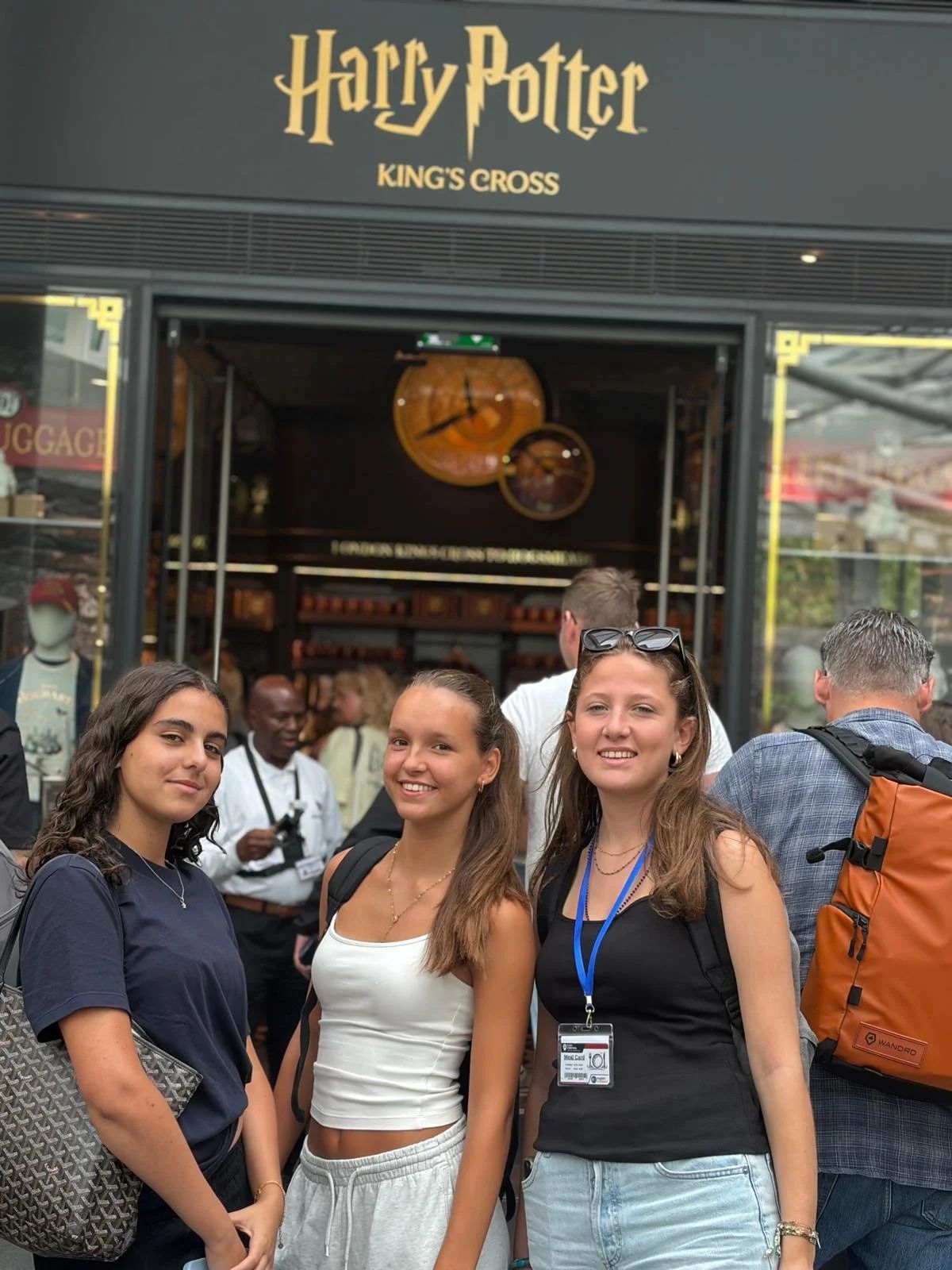
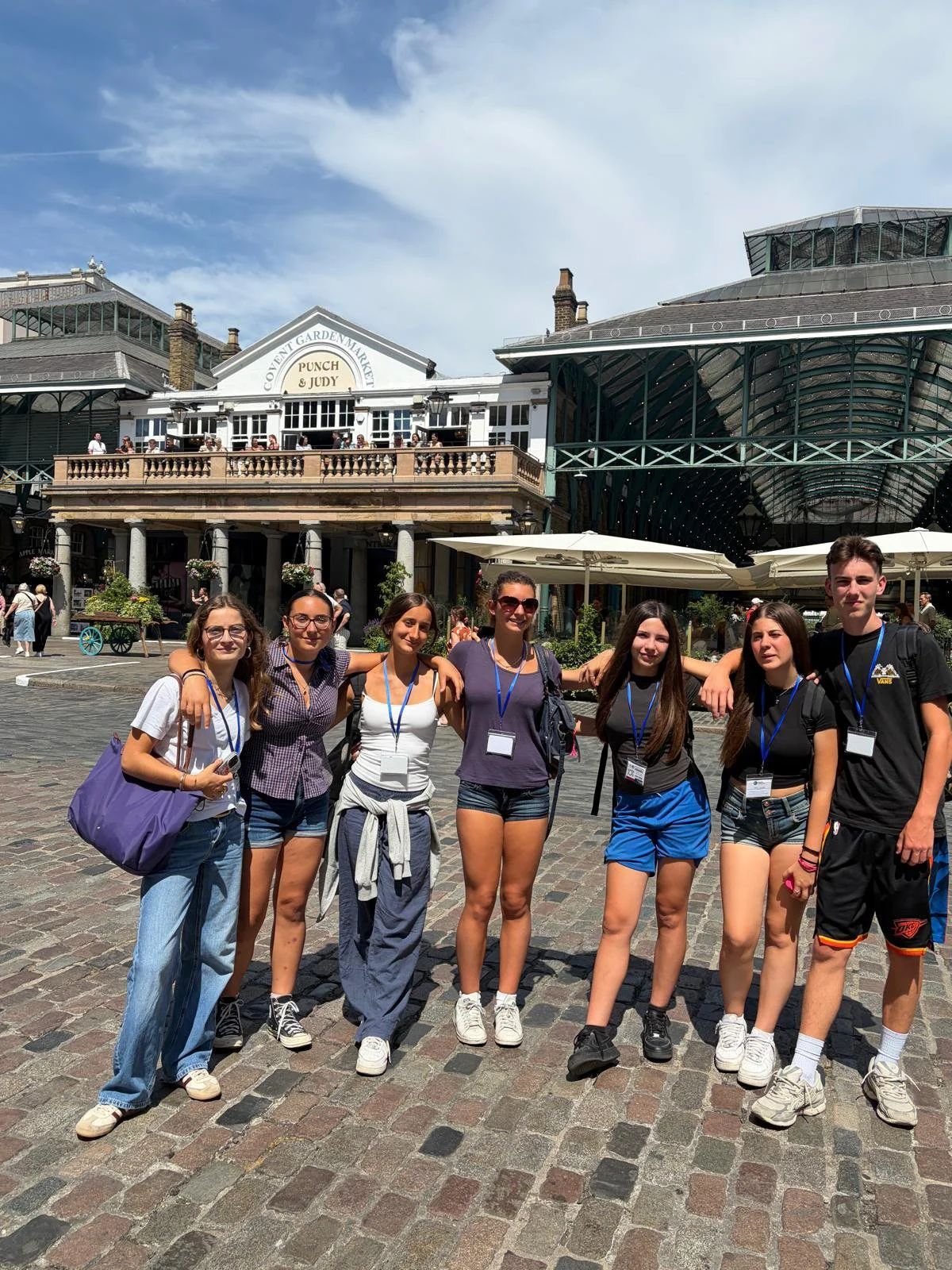
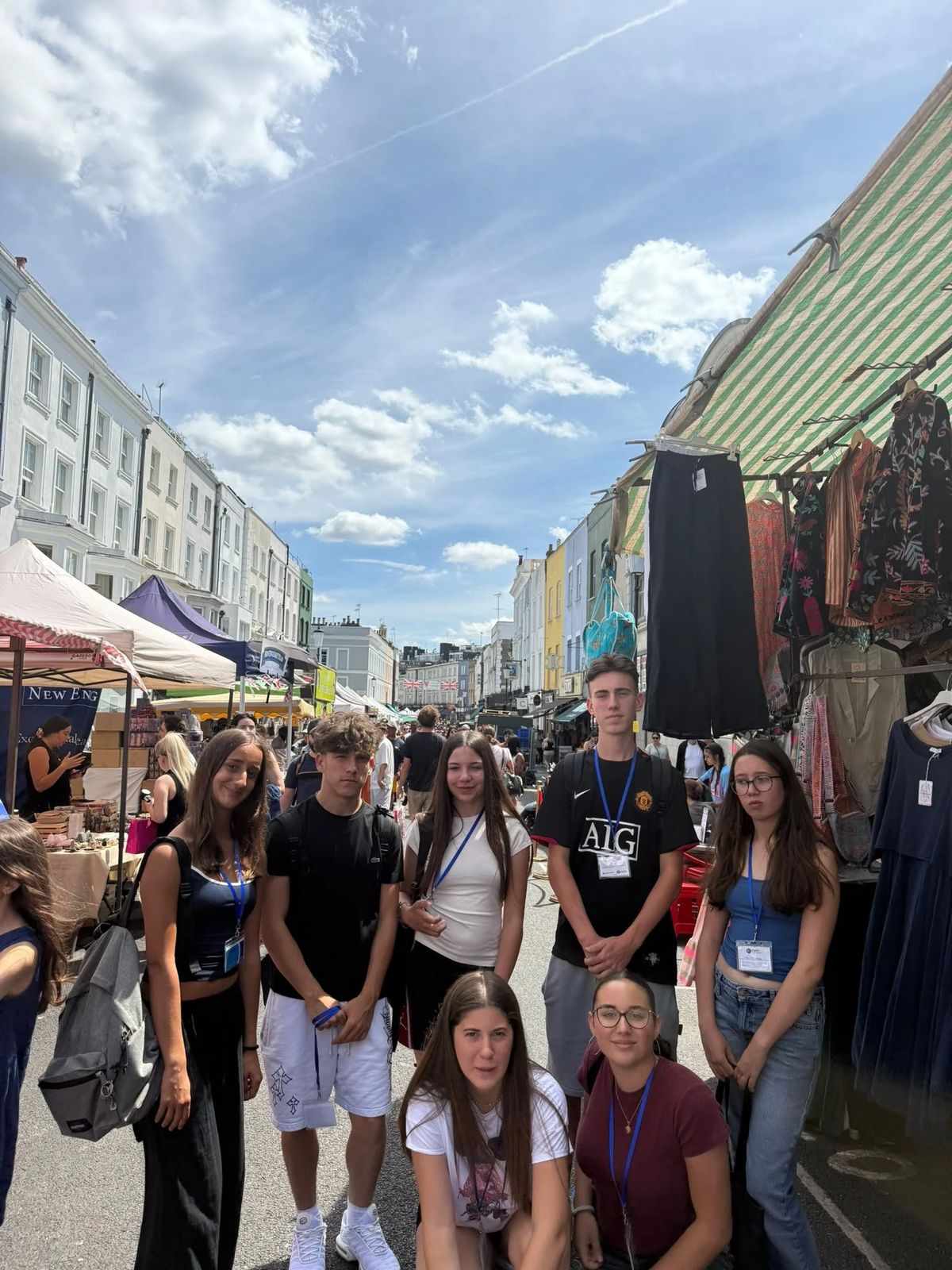
The two-week activity program covers Westminster, Big Ben and Buckingham Palace, the Natural History and British Museums, the Harry Potter studios, Camden and Portobello markets, Greenwich and the Meridian Line, a Thames boat trip, the London Eye and a West End musical, plus a full day in Cambridge with a college tour and punting on the river Cam.
Campers live in single rooms in a residence in St Pancras, minutes from King's Cross, with live-in managers and a 10:30 pm curfew, and public transport is included. The camp is for 14- to 17-year-olds with at least a pre-intermediate level of English.
What's included
A day at camp
- Morning Breakfast, then English class from 9:30 to 12:30 (Monday–Friday) in a small group of up to 8 — each day at a different indoor or outdoor spot in London, with three class excursions a week
- Midday Packed lunch out in the city, or lunch together on location on Mondays and Fridays
- Afternoon Supervised outing with the camp chaperones — a museum, landmark, neighbourhood walk or something just for fun
- Evening Dinner, then an evening activity or a relaxed chill-out night at the residence; everyone is in their room by 10:30 pm
- Weekends A full day in Cambridge with a college tour and punting, a Sunday with a free choice (Portobello Market in Notting Hill, or an optional Tower of London visit), and a West End musical in week two
Where campers stay
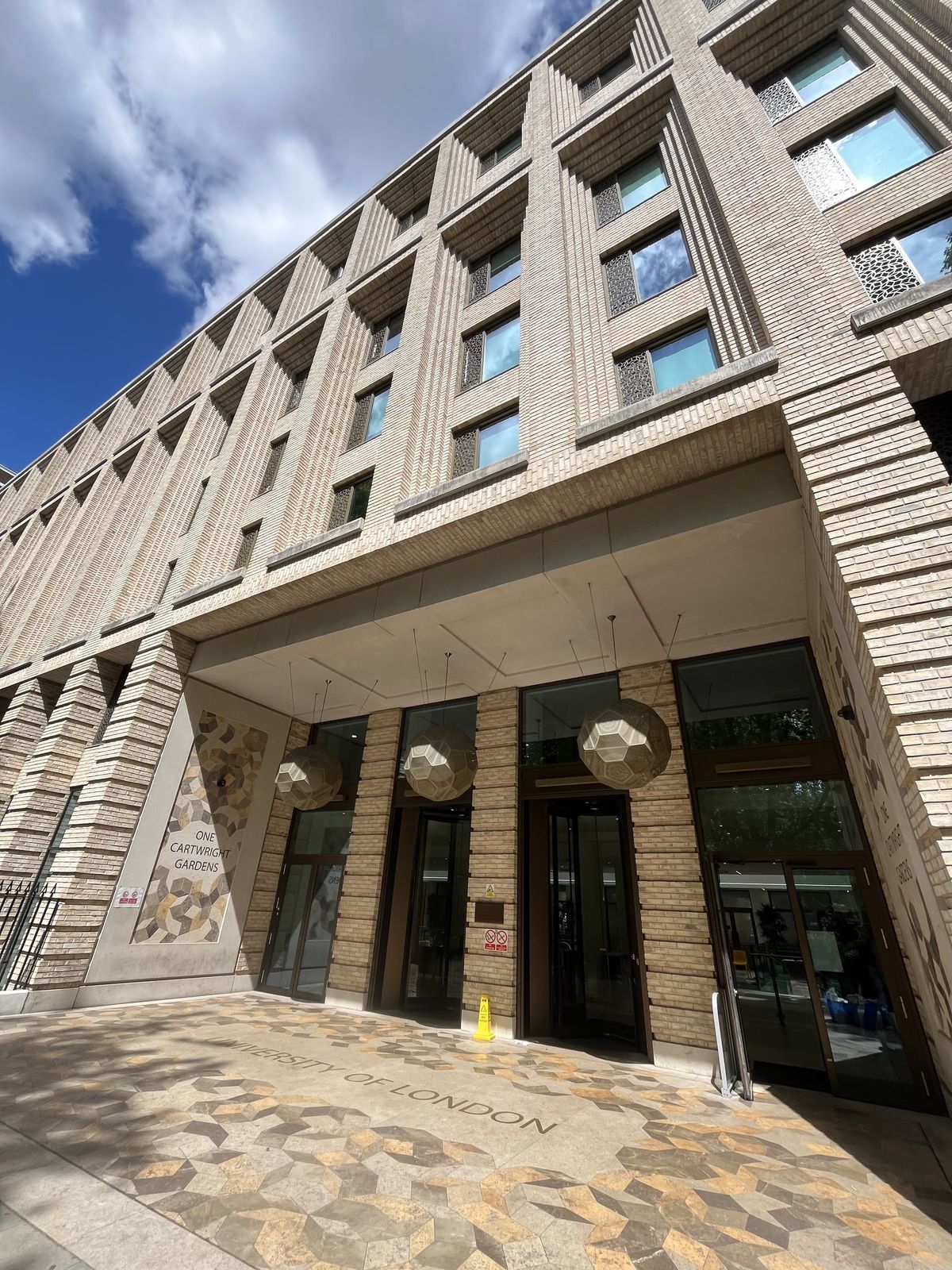
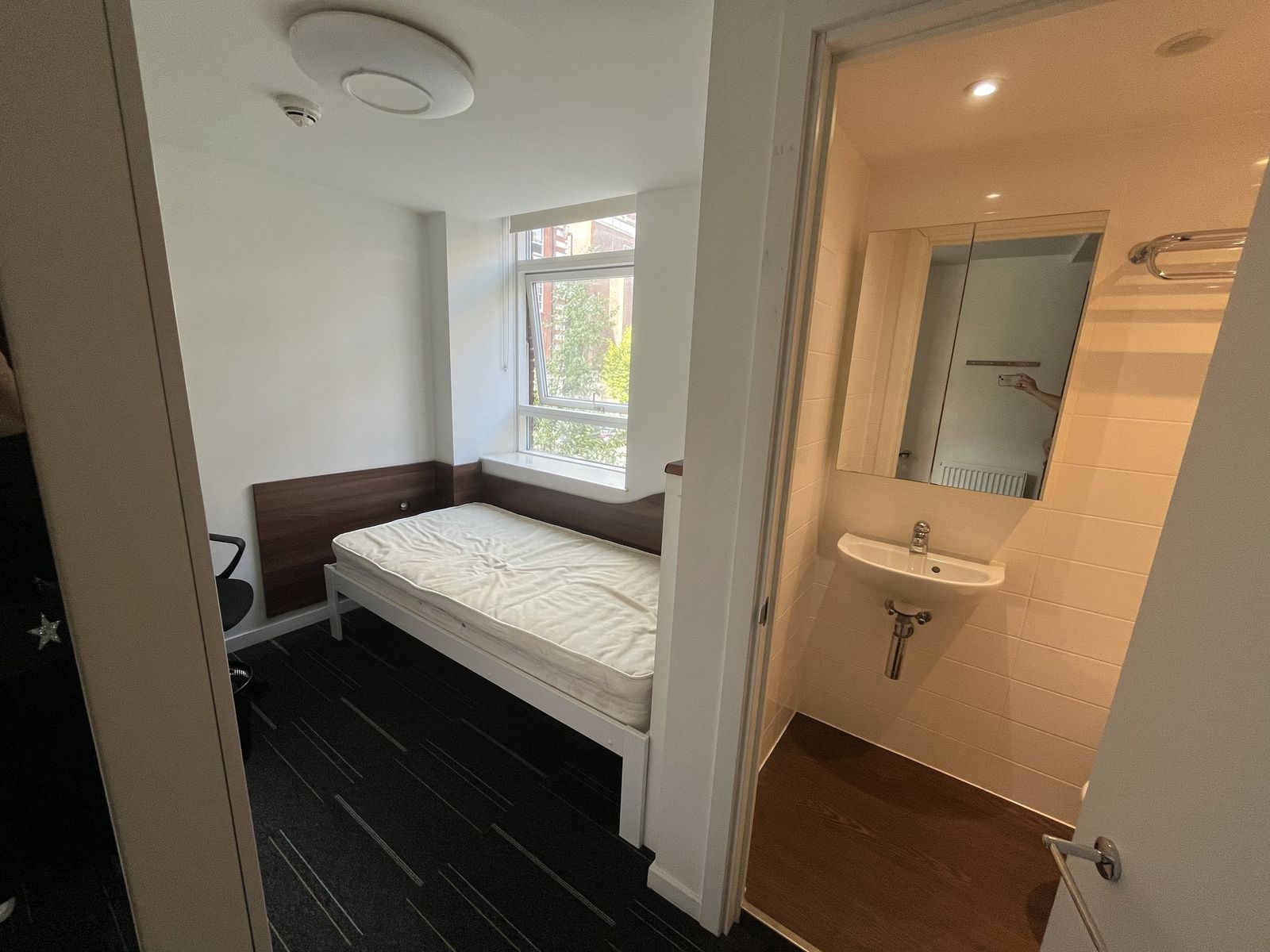
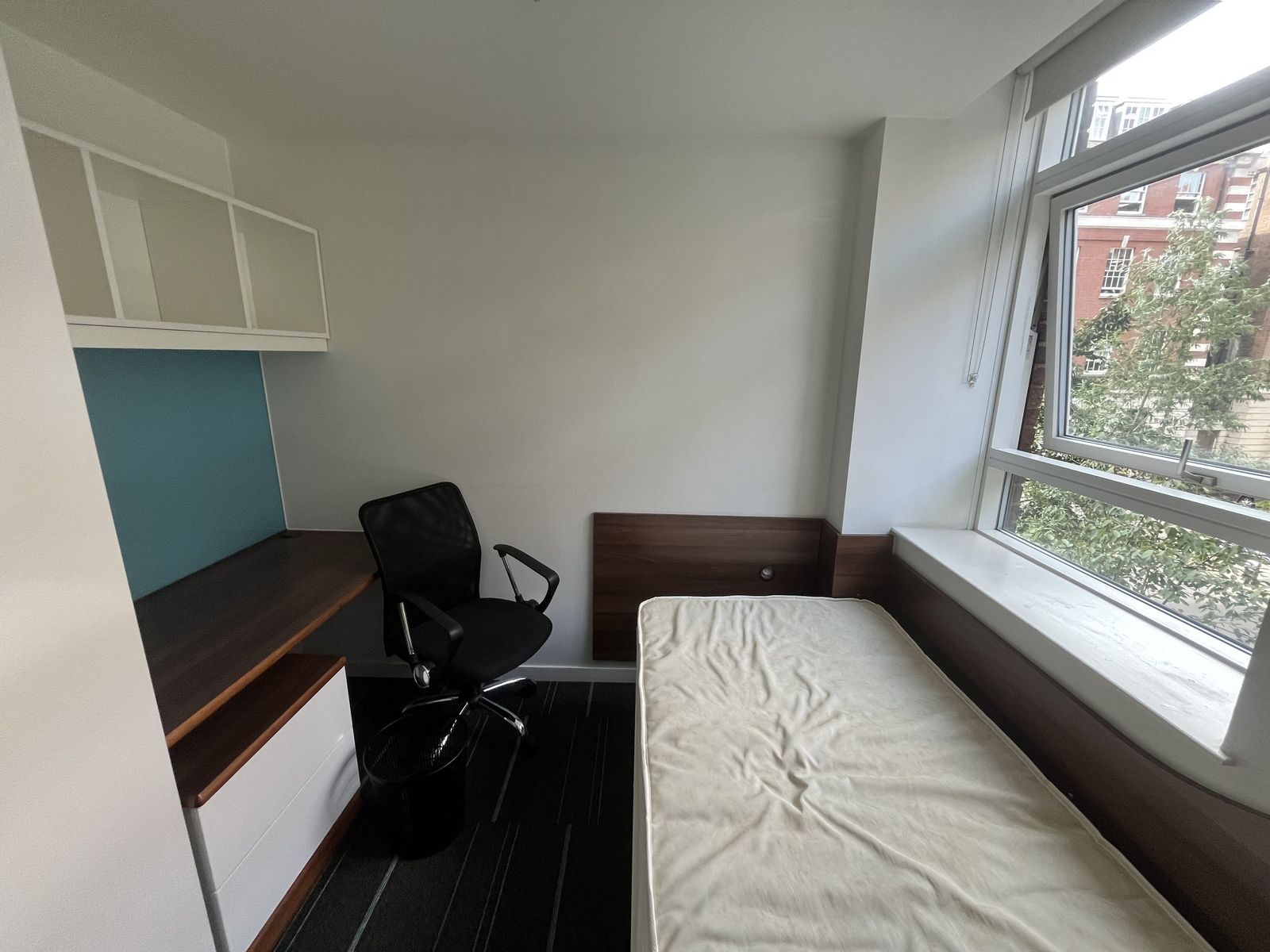
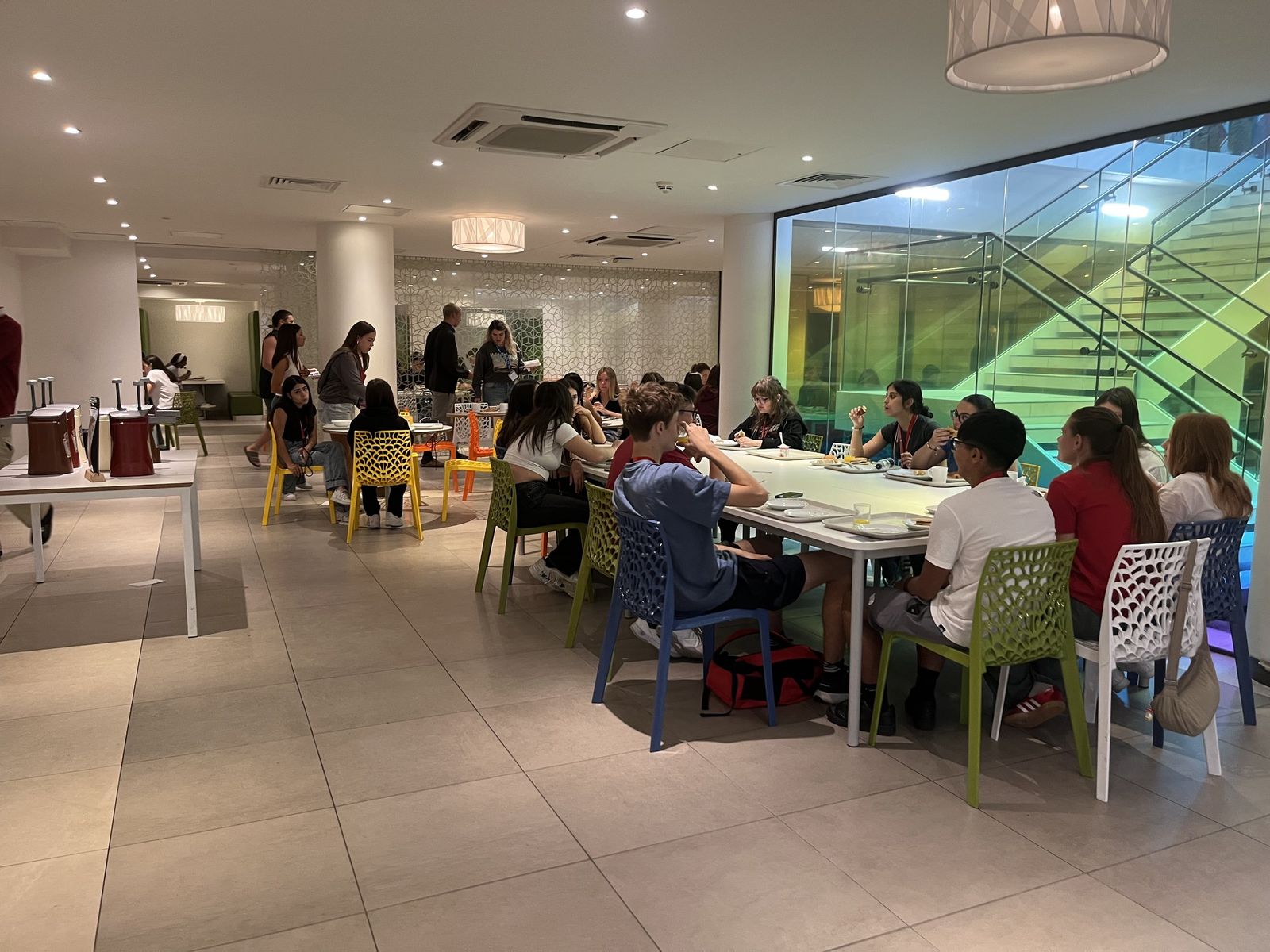
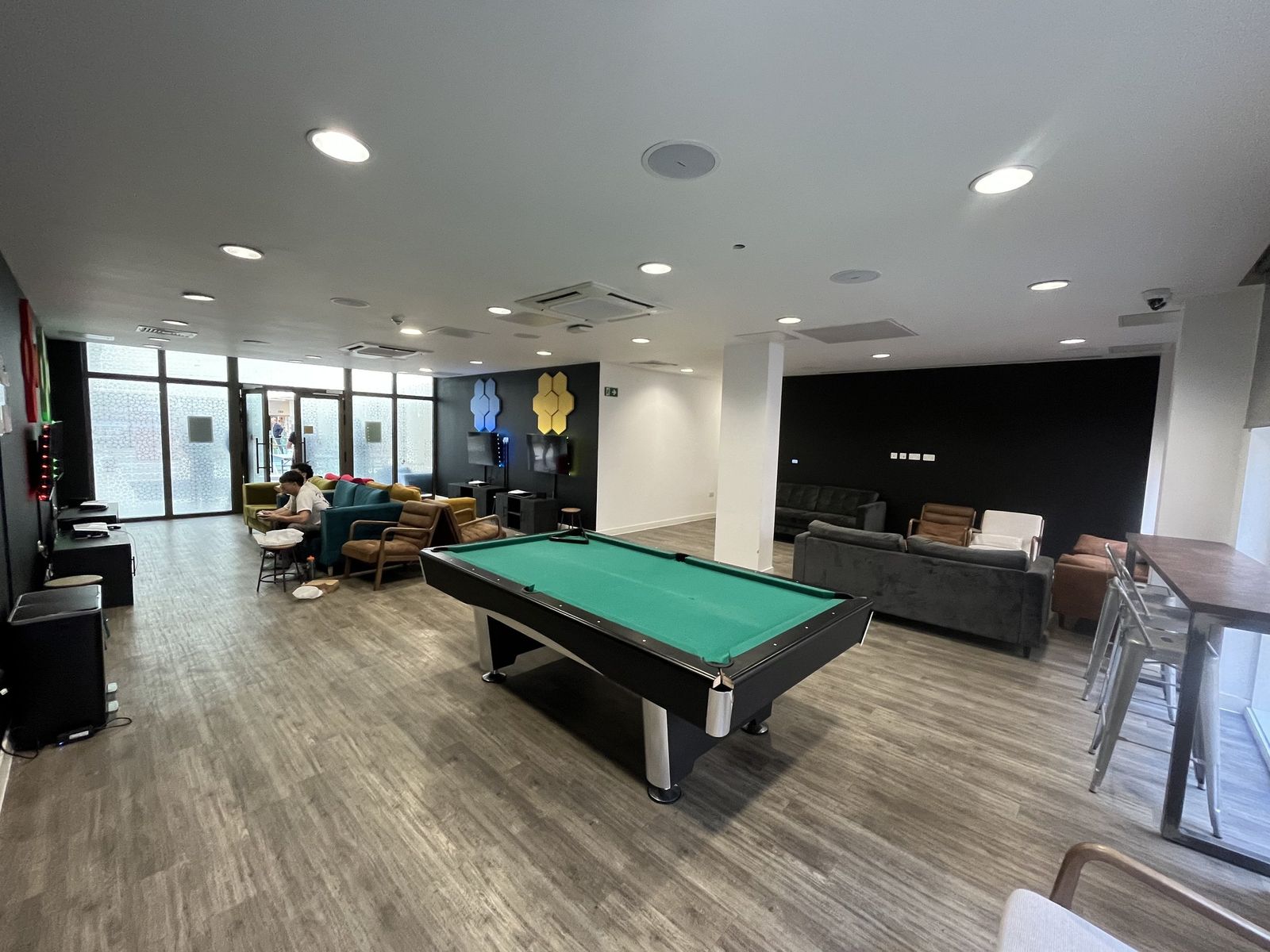
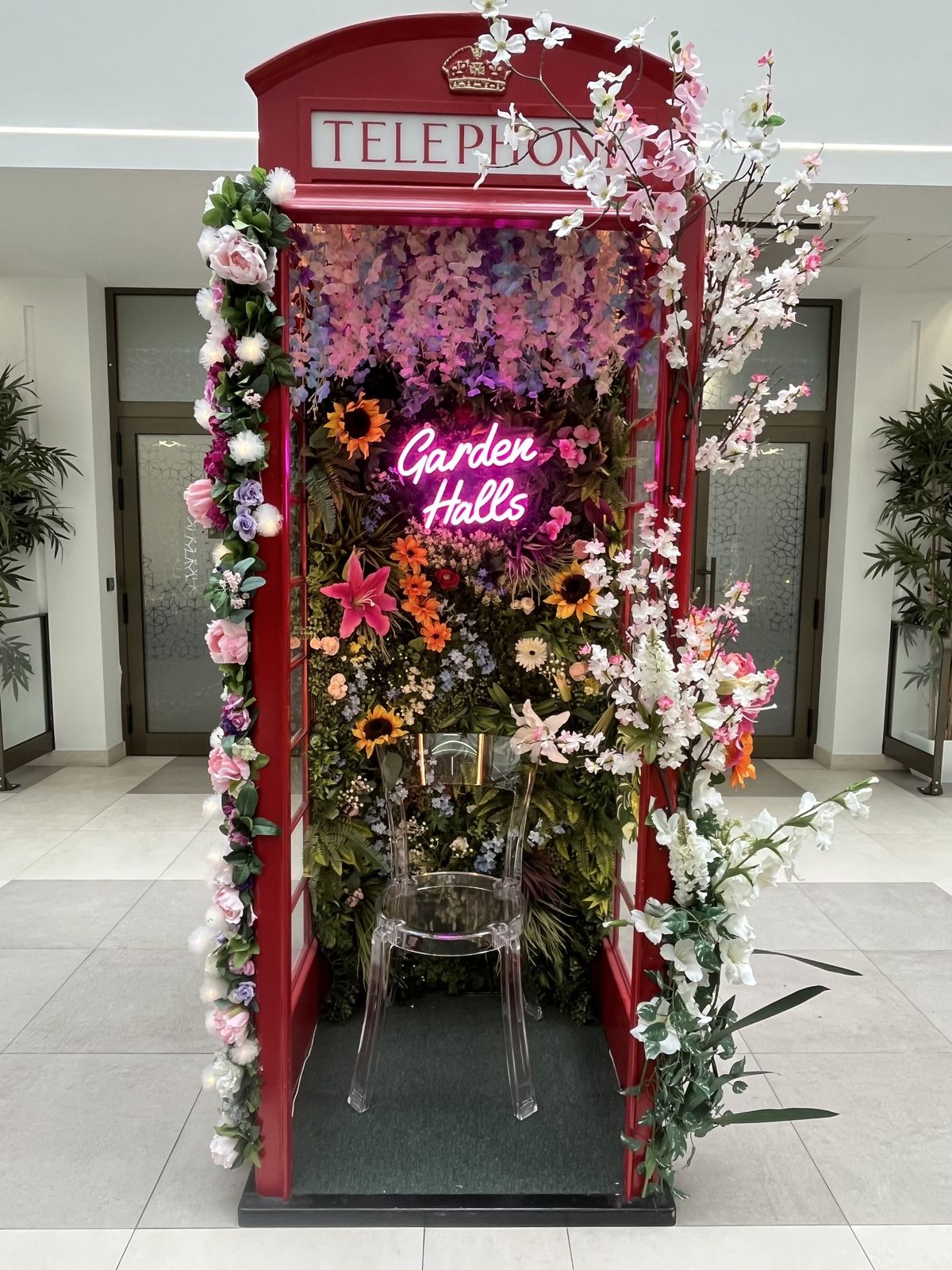
Teens live at Garden Halls, a University of London residence opposite the green square of Cartwright Gardens, 2 minutes' walk from King's Cross station, with the British Museum and Regent's Park within walking distance. Everyone has a single bedroom with its own shower room, a desk, plenty of wardrobe space and Wi-Fi; bed linen and towels are provided, and rooms are cleaned and sheets changed once a week. The residence has a 24-hour front desk and security, a team of resident wardens, a glass-roofed lounge, games and TV rooms, a cafeteria and dining hall, and a laundry (extra cost); it is wheelchair accessible. The camp's residence managers live on site throughout. No guests, no smoking, no alcohol.

Meals
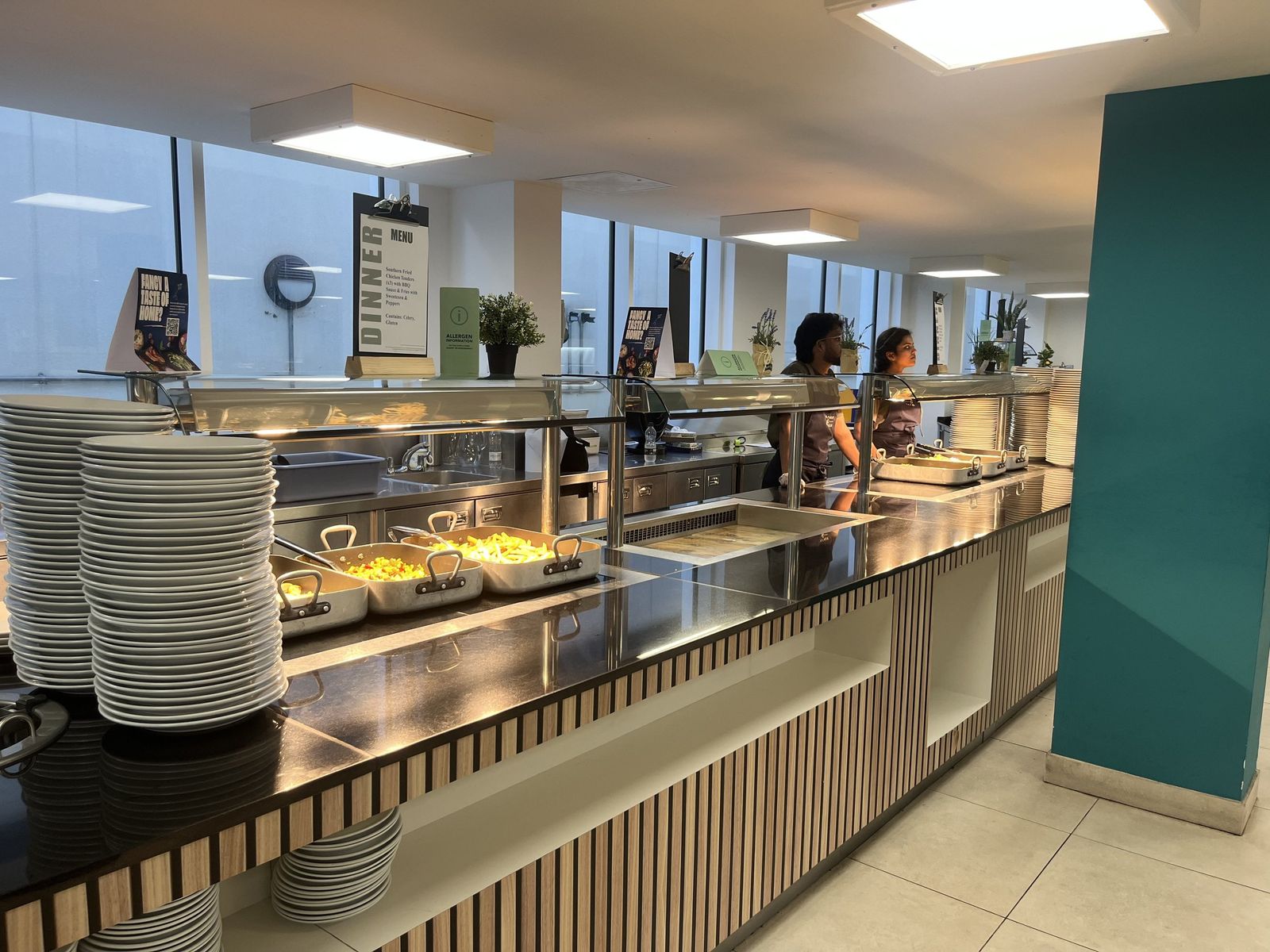
Full board. Breakfast and dinner are self-service buffets in the residence dining hall — for example croissants, pastries, toast, yoghurt, cereal, fruit and juice in the morning, and a meat and a vegetarian main, a carb, vegetables, a salad bar and dessert in the evening. Lunch is mostly a packed lunch (sandwich, crisps, a chocolate bar, fruit and water), with Five Guys burgers once a week and pizza once a week. Halal, vegetarian, vegan and gluten-free diets are catered for; teens with a severe allergy should bring their EpiPen or medication and carry it at all times.
Excursions
More photos




Frequently asked questions
Where do the English classes take place?
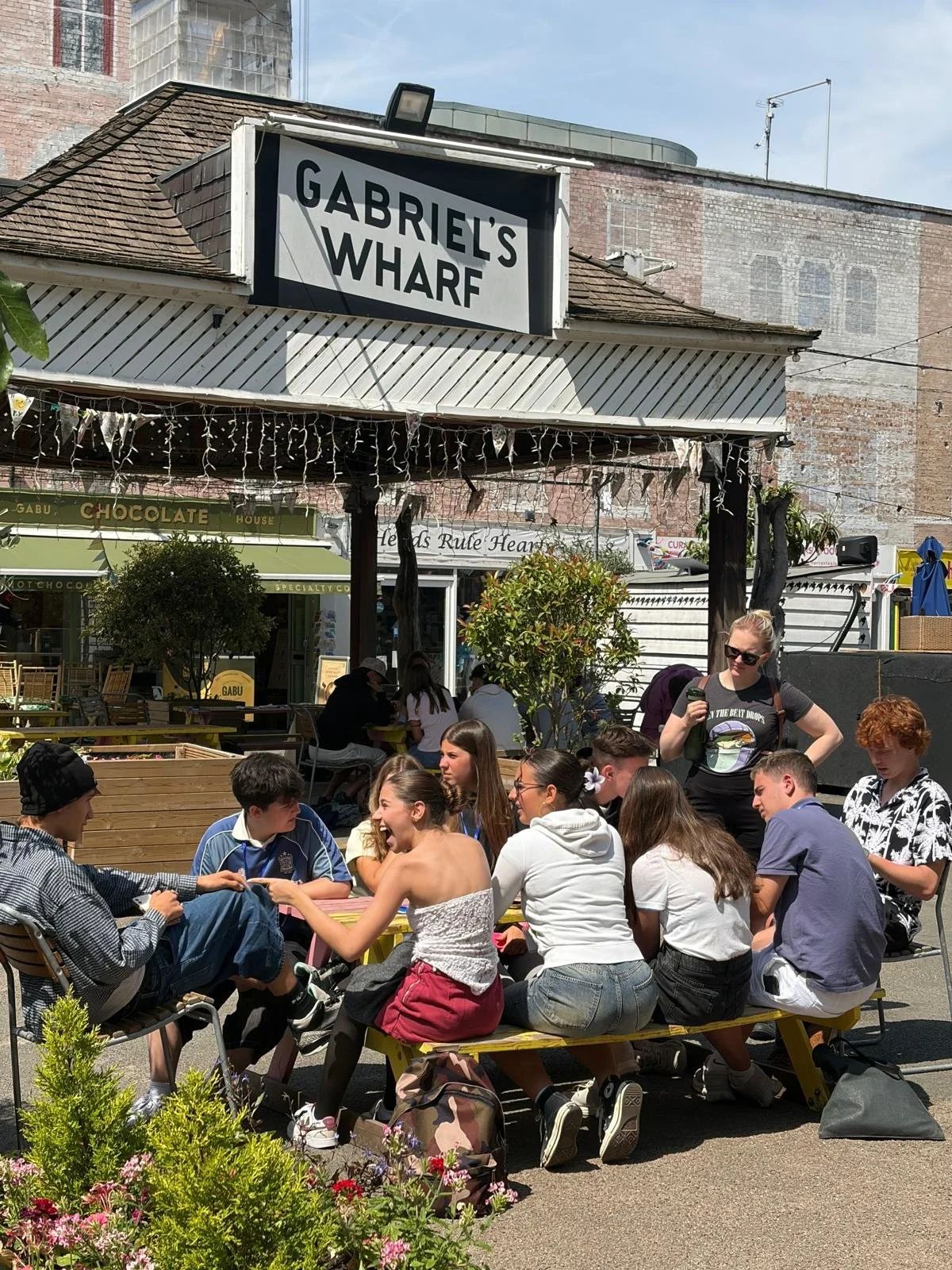
Not in a school building — the city is the classroom. Each morning the group meets at a different indoor or outdoor spot, for example Granary Square, Battersea Power Station, the Barbican Centre, Cardinal Place or Old Spitalfields Market. Locations are picked for comfort, space, easy access and nearby restrooms, and the class sits around a table in a group of 8 at most (5–6 on average). If it rains or is too hot, class moves to an indoor venue or becomes an indoor class excursion.
What level of English does my child need?
At least pre-intermediate — beginners and elementary-level students can't be guaranteed a class. Every camper takes an online level test before arrival (without help, so the result is accurate) and is placed in a group at their level. If the level feels wrong after the first day, a short speaking test sorts it out.
Is it just conversation, or do they learn properly?
It's structured, not just chatting. Monday to Thursday are topic lessons that build vocabulary and speaking, with three class excursions a week where the lesson is built around a real place — for example a lesson on architecture that ends with a tour of a famous building. Fridays are for accuracy: the teacher works on the mistakes heard in class that week. There's no textbook; materials are prepared for each topic. Teachers hold a teaching degree or certificate and have prior experience. Classes always mix genders and nationalities, and students come from 20+ countries, so English is the common language.
Who looks after them?
Camp chaperones lead every outing, at 1 chaperone per 15 teens, and stay in touch with the teens by phone. A camp coordinator and camp manager are on site throughout, and the coordinator is also the welfare officer, reachable 24/7. Residence managers live in the residence and are there round the clock. Teens get an ID card on arrival, may only go out in the evening with the chaperones, and must be in their rooms by 10:30 pm — rooms are checked at 10:30 and again at 11:30. All activities are compulsory.
Can they keep their phone?
Yes, including in the evening and at night, but they're expected to be sensible after curfew. If a teen is visibly tired or late in the mornings, the residence managers will talk to them and may keep the phone overnight. An international phone plan helps in class too, as teachers share materials through the class chat — bring earbuds as well.
How do they get from the airport?
The camp runs a shared bus from London Heathrow on arrival day (Sunday, flights landing 12 noon–6 pm) and back on departure day (Saturday, flights leaving 5–11 pm) — £95 each way on the 2027 price list, plus £100 each way for the unaccompanied-minor service (pick-up at the airline desk on arrival; check-in, security and boarding on departure). Outside those hours a private unescorted transfer from Heathrow or Gatwick is £175 each way, or a staff member can escort them by train from Gatwick or Stansted for £100. Coming by Eurostar? Pick-up and drop-off at St Pancras is free (arrival 12 noon–6 pm, departure 10 am–4 pm). Flights and trains aren't included.
Can my child join without the residence?
Yes, if the family has its own place in London: the 2-week day camp is £1,045 and includes the English classes, the afternoon and evening activities and lunch on Mondays and Fridays. Public transport and other meals aren't included.
Does my child need a visa?
Families arrange travel documents themselves. Since April 2025, teens with an EU passport (except Irish citizens) need a UK ETA — the online Electronic Travel Authorisation — before they travel; apply well ahead. A short course like this one is allowed as a visitor, so no student visa is needed. For any other passport, ask us and we'll check what applies.
How much pocket money should they bring?
Around £125–150 a week, changed into pounds before they leave. Teens often buy clothes or shoes as well as souvenirs, drinks and snacks. It's best to carry only what's needed for the day; the camp isn't responsible for lost money.
What insurance does my child need?
A comprehensive travel and health insurance policy is compulsory — every camper must have one before leaving home. Ask us if you'd like help choosing.
What if my child gets homesick?
The first couple of days can feel big — new country, new friends, a new language — and that usually passes once they settle in. A teen can go home early, but there's no refund for the unused part and any flight-change costs are the family's, so it's worth preparing them for the first days before they travel.
What do we need to send before camp?
A health form (allergies, treatments, diet), sent to you at booking and due back signed at least 4 weeks before the start, and the camper's flight details at least 7 days before arrival. For the Cultural Exchange evening, campers bring something from home to share — sweets or snacks, a small souvenir, or a game from their country.
What should they pack?
Comfortable walking shoes, light summer clothes plus a jumper for air-conditioned places, sun cream, plug adaptors, pocket money, a photocopy of the passport, a notebook and pen, headphones for lessons and a phone with a data plan set up before they travel. Bed linen and towels are provided.