


Overview
This camp is a journey through central Italy for 12- to 16-year-olds, where history, art, food and language come together. It starts at the operator's villa above Lake Chiusi, on the border of Tuscany and Umbria: small, conversational language classes, a cooking lesson, a team-building challenge, Florentine paper-making and time by the pool with teens from all over the world.
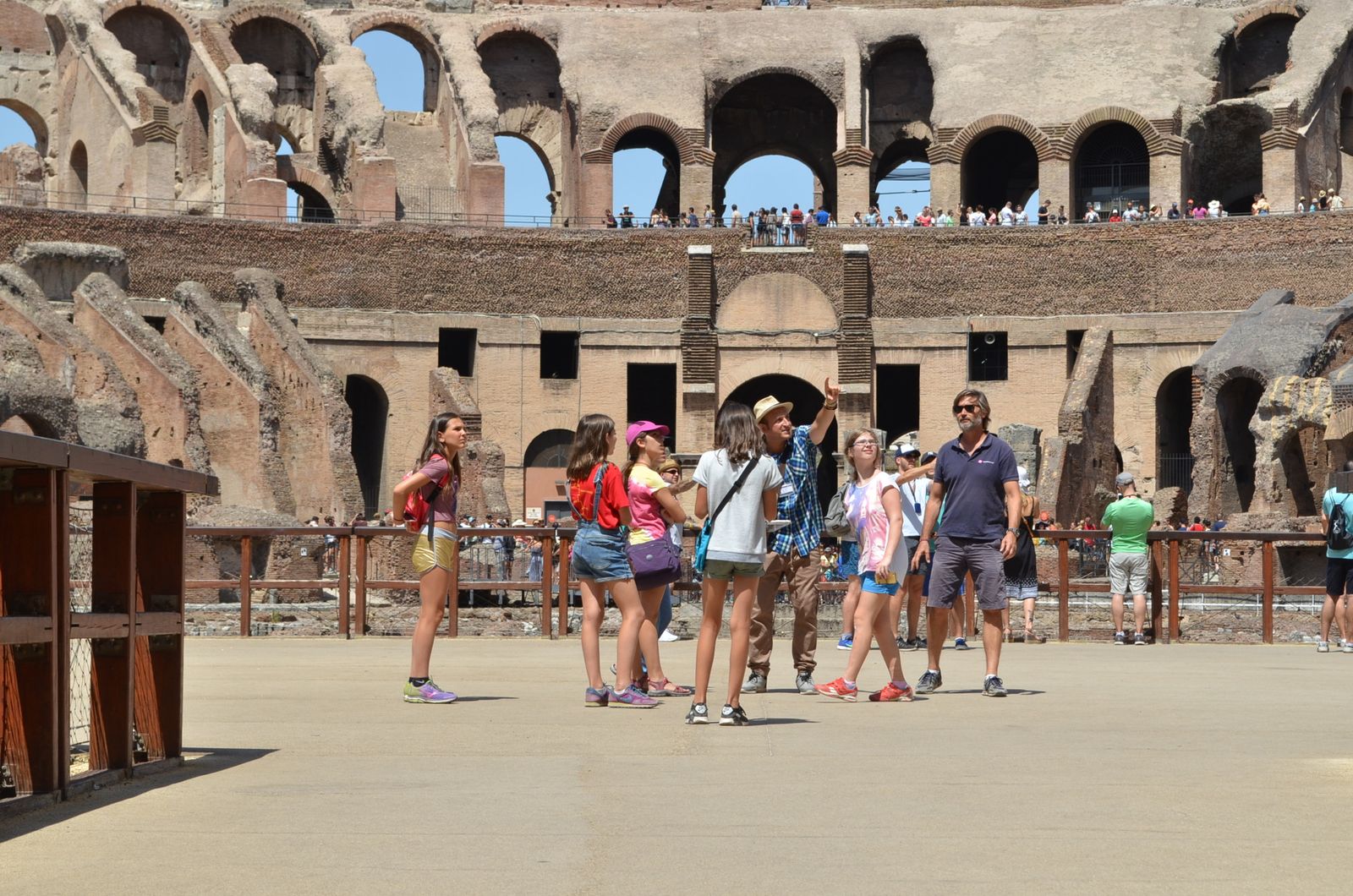
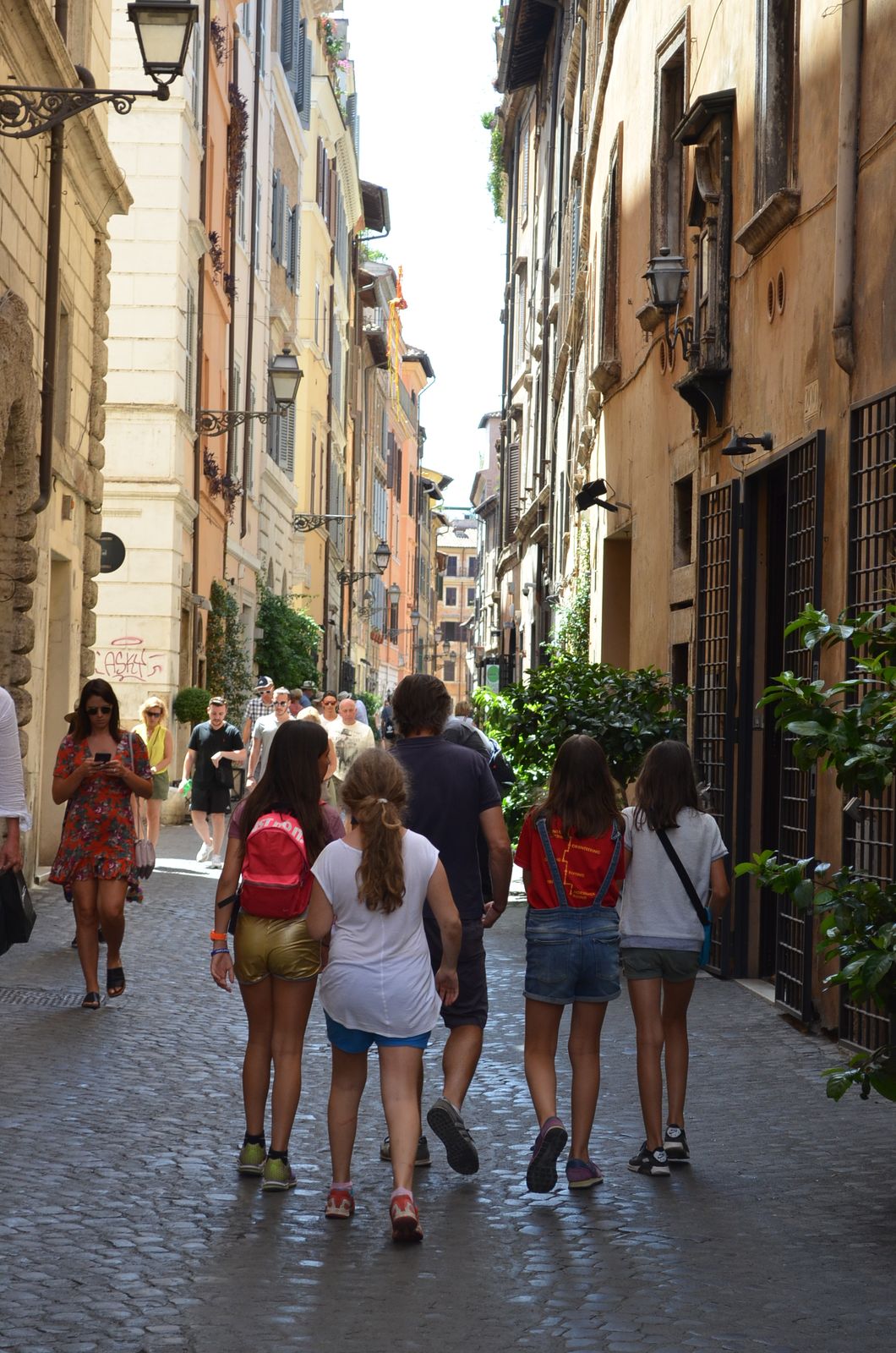
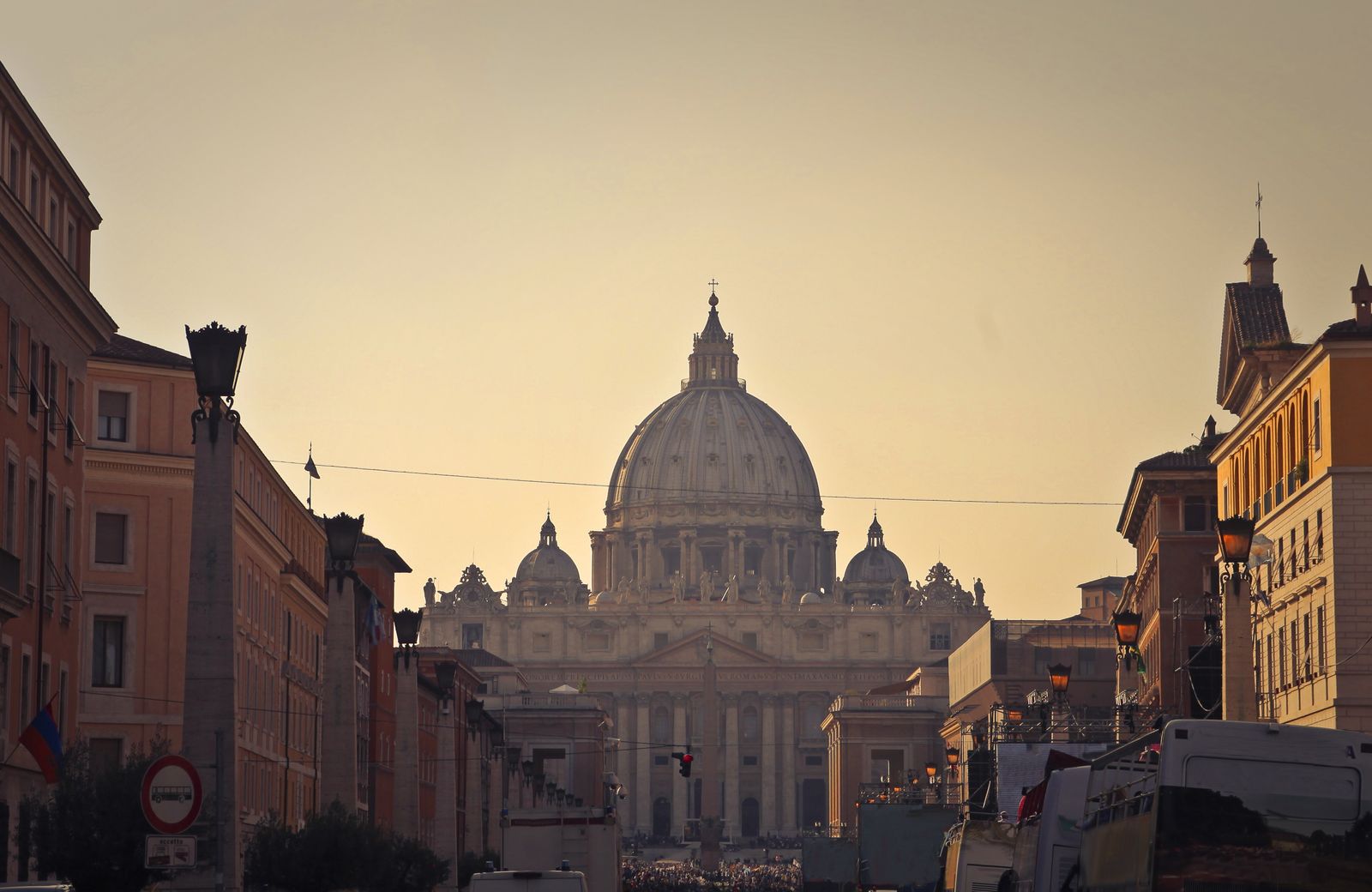
On Tuesday the group takes the train to Florence, the cradle of the Renaissance, for a day among its sights — the Duomo, Michelangelo's David, the Ponte Vecchio — then continues to Rome. Two nights there, in a modern student residence a short walk from the Vatican: a farmers' market and a treasure hunt through the historic centre, St Peter's and the Vatican Museums, the Colosseum and the Roman Forum, a hands-on mosaic workshop — and evenings of street food, live street music, a pasta night and Rome by night.
Back at the villa on Thursday evening there's a night pool party, then two more days of language lessons, cooking, painting and sketching, and a glow-in-the-dark disco.
Campers choose to study English or Italian, in small classes at their own level after a placement test — native English speakers learn Italian and get to try it out straight away in Florence and Rome. Everything else is run in English by English and Italian teachers and cultural guides. Up to 35 teens a week, with one teacher for every five.
What's included
A day at camp
- Sunday Campers arrive at the villa in the afternoon: check-in, orientation, ice breakers and a campfire
- Monday Language lesson (English or Italian) and a cooking lesson, then the pool, a team-building challenge and a Florentine paper class; quiz night
- Tuesday Train to Florence and a day visiting the city, then on by train to Rome: check-in at the residence, street food and live street music
- Wednesday A farmers' market and a treasure hunt through Rome's historic centre, then St Peter's and the Vatican Museums; pasta night and Rome by night
- Thursday The Colosseum and the Roman Forum, a mosaic workshop, then the train back to camp; night pool party
- Friday Language lesson, cooking lesson, a painting class and pool time; glow-in-the-dark disco
- Saturday A last language lesson and a sketching class, lunch, and campers leave. Those staying two weeks have a special activity: mountain biking, pool time and more
Where campers stay
Campers live at Monteluce, a 16th-century villa overlooking Lake Chiusi, in an elegant tree-lined park. The villa has kept its old charm — frescoes, wooden beams and terracotta floors — and the bedrooms, with 2 to 6 beds and a private bathroom each, are spread over its two floors. Rooms are cleaned daily, have night lights and no keys in the doors, and counselors sleep in the rooms next door. Outside there's a swimming pool in a quiet corner of the garden, a grass football pitch, a basketball court and plenty of space for open-air living; inside, two dining rooms and multi-purpose rooms for lessons and rainy days. Friends of the same gender can ask to share a room. On Tuesday and Wednesday nights campers stay in Rome, in a modern student residence a short walk from the Vatican, in rooms of 2 to 4 beds, each with its own bathroom.

Meals
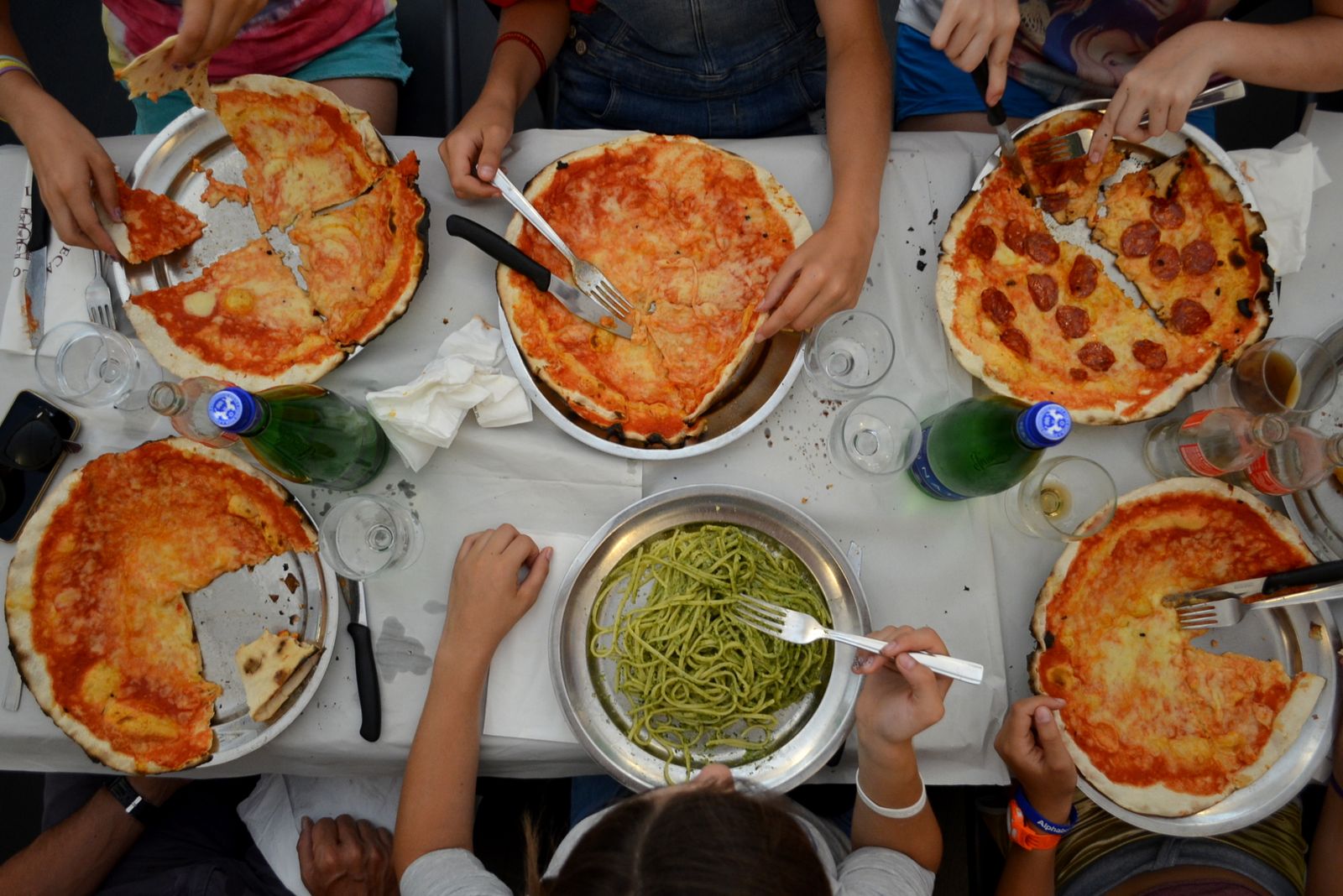
Breakfast, a three-course Italian lunch and dinner at the villa, freshly prepared with local produce — and some dishes cooked by the campers themselves in their cooking lessons. On the Florence and Rome days, lunch is a packed lunch, and evenings in Rome bring street food and a pasta night. Allergies, gluten-free and other special diets are catered for if you tell us when booking.
Excursions
More photos
Frequently asked questions
Where do campers sleep?
At the villa in Umbria on Sunday, Monday, Thursday and Friday nights, in rooms of 2 to 6 beds, each with its own bathroom. On Tuesday and Wednesday nights they're in Rome, in a student residence a short walk from the Vatican, in rooms of 2 to 4 beds, also with private bathrooms. Friends of the same gender can ask to share a room.
English or Italian — how do the lessons work?
Campers choose. Everyone is assessed on arrival and joins a small group at their level; lessons are lively and conversational rather than grammar drills. Beginners of every level are welcome. Native English speakers are placed in an Italian class — even complete beginners — and get to use their new Italian straight away in Florence and Rome and with Italian campers.
Is there a lot of walking?
Yes — the Florence and Rome days involve a lot of walking, so campers need a reasonable level of fitness and comfortable shoes. Bring summer clothes, a hat and sunglasses for the city days.
Who looks after the campers?
Qualified English and Italian teachers and cultural guides, most of whom teach for the operator all year and many of whom have worked at the camp for years. There's one staff member for every five campers, all directors and counselors are trained in first aid and CPR, and a local doctor is on call.
What do they eat?
Breakfast, a three-course Italian lunch and dinner at the villa — some of it cooked by the campers themselves in their cooking lessons. On the city days lunch is a packed lunch, and evenings in Rome mean street food and a pasta night. Allergies, gluten-free and other diets can be catered for if you tell us when booking.
What happens if my teen stays two weeks?
Yes, and many do. On the Saturday between weeks, campers who stay on have lunch together and a special activity — mountain biking, pool time and more. On Sunday they go on a supervised day trip to Rome or Florence, included in the price: a guided tour in English, lunch in a local trattoria and an afternoon walk through the centre. The two cities alternate, so campers staying three weeks see both. Laundry machines are available, so there's no need to over-pack.
How does my child get to camp?
Most families from abroad use the camp's transfer from Rome Fiumicino airport (FCO) or Roma Termini train station: in 2027 it costs €135 each way from the airport or €125 from the station. Staff meet campers on arrival and, at the end of camp, take them back and help with check-in. Book flights that land on Sunday between 10:00 and 14:00 and leave on Saturday between 18:00 and 20:00 (trains: arrive 10:00–14:30, leave 16:30–18:30); other times are quoted separately. If your child has to arrive on Saturday or leave on Sunday, there's an extra night at the operator's supervised student residence in central Rome for €370, transfers included. Bringing your child by car? Drop-off is on Sunday between 15:30 and 17:00 and pick-up on Saturday between 14:30 and 16:30. Flights aren't included.
Can my child bring a phone?
Phones are kept safe and charged in the camp office and switched on only for calls home: on arrival on Sunday, on Tuesday and Thursday, and at departure on Saturday — so you can talk every other day. If your child has no phone, you can call the camp lines at those times. The camp director can be reached 24/7 on the camp line if you need to check in.
Can it be combined with the other teen camps?
Yes — many teens from abroad stay two weeks and combine two of the operator's camps for 12–16-year-olds: the Adventure Camp and the Culture Camp start from the same villa in Umbria, and the Sailing Camp sets off from the coast south of Rome. 2027 combinations: Culture + Adventure Camp (2 weeks, €3,340; Jun 13–26, Jun 20–Jul 3, Jun 27–Jul 10, Jul 4–17, Jul 11–24 or Jul 18–31) · Culture + Sailing Camp (2 weeks, €3,780; Jun 20–Jul 3, Jun 27–Jul 10, Jul 4–17 or Jul 11–24). All three together make a 3-week package for €5,230 — places are limited and the dates are still to be confirmed, so ask us. The early-booking discount applies to these too.
Is there a discount for booking early?
Yes: 12% off for bookings made by 31 December 2026 — a week then costs €1,660 instead of €1,890 — and 10% off by 31 March 2027. The price on this page is the full price.
Can we visit during the week?
No — to keep the group's energy and sense of community, the camp doesn't allow visits from parents or anyone else during camp. It's a small, close group, and visits would be hard on campers whose families can't come. The week goes by fast, and you can always check in with the camp director by phone.
Does my child need a visa?
Not with an EU passport — Italy is in the EU and the Schengen area. Your child needs their own valid passport or national identity card. Some countries also ask for a signed parental consent letter when a child travels without their parents, so check what yours requires. For any other passport, ask us and we'll find out what applies.
What if we need to change dates or cancel?
Changing to other weeks is usually possible if there's space. If you cancel, the camp's terms are: 30 days or more before camp starts — full refund; 30 to 15 days before — 50% back; less than 15 days before — no refund. There's no refund for days missed if a camper leaves early. Ask us about travel insurance that covers cancellation.