

Overview
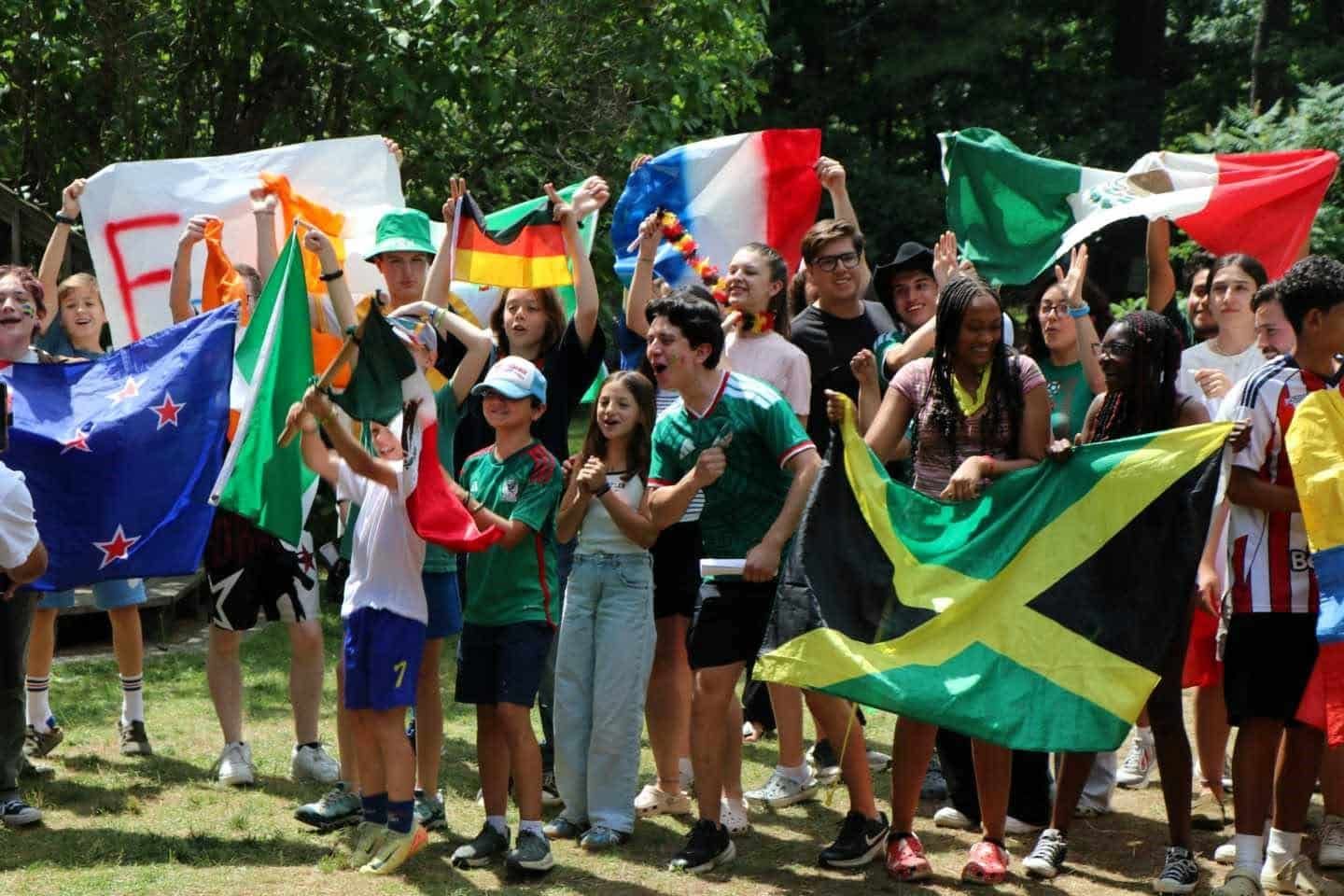
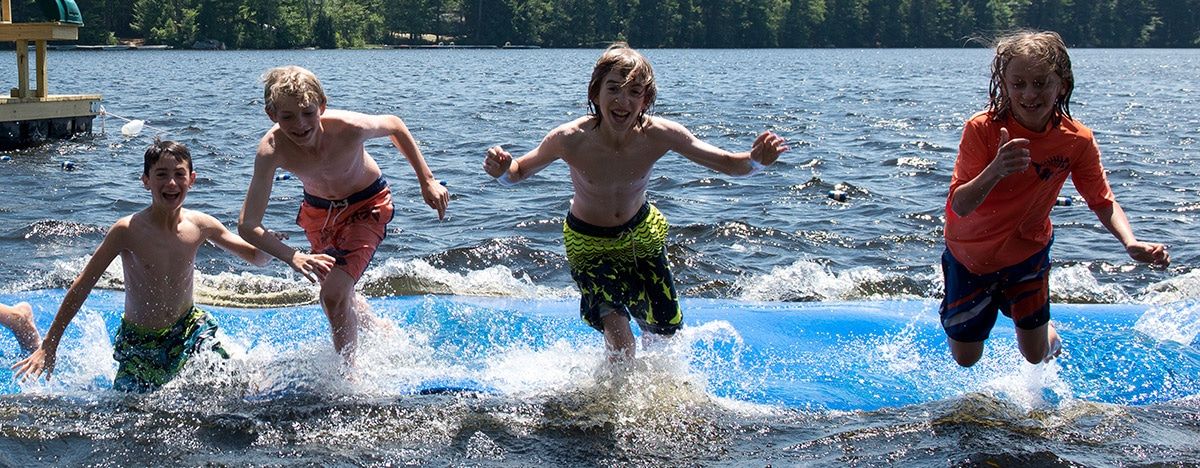
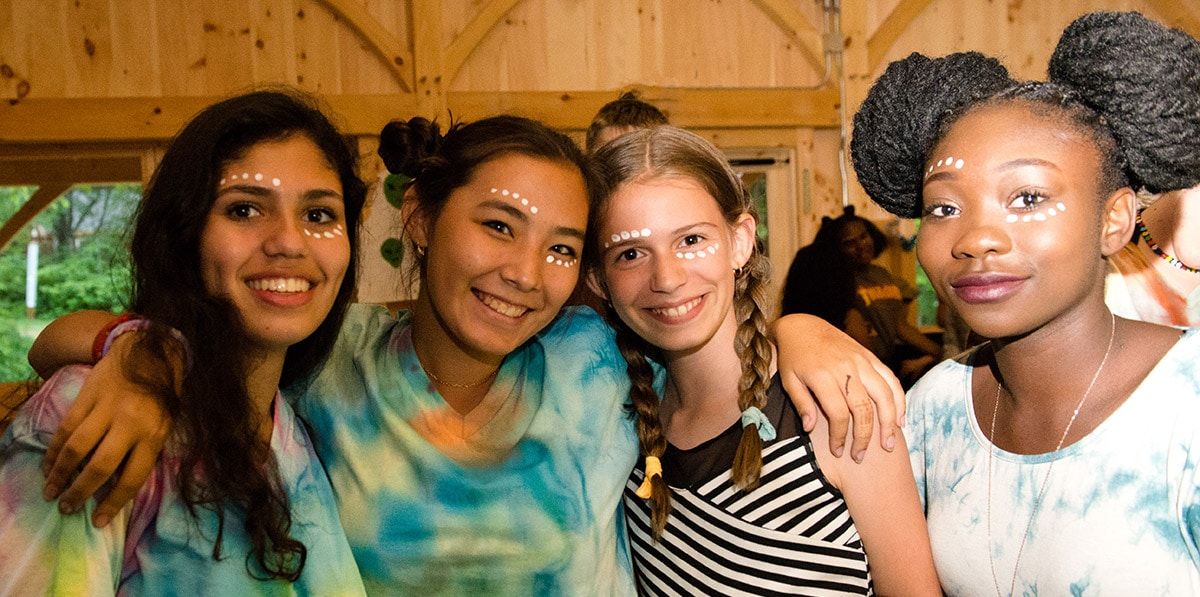
This camp's whole character is non-competitive. Children from the US and many other countries live and play together, and the focus is on friendship, creativity, trying new things and respecting differences rather than winning. Campers choose their own activities from a free-choice programme — more than 100 activities offered every three days across sports, music, creative and performing arts, cooking, farm and garden, the ropes course, waterfront, video lab and wilderness skills, plus activities that staff and campers invent on the spot.
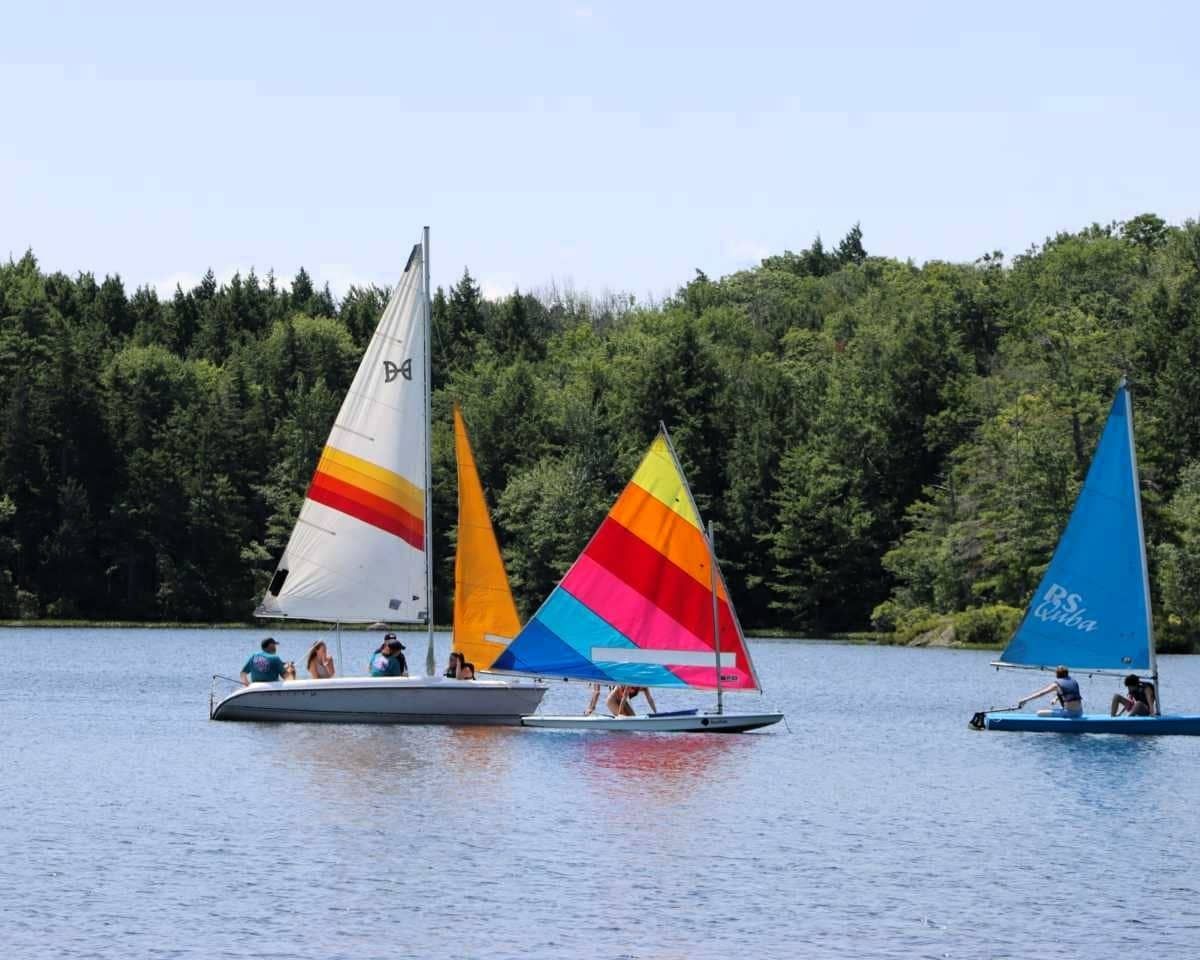
Specialty programmes go deeper in sailing, visual arts, performing arts and filmmaking, and campers can head out on three-day wilderness trips. The setting is a private 365-acre site on its own lake, surrounded by a 1,000-acre wilderness preserve.
International campers are part of every summer, and the camp offers relaxed, conversational English practice for children whose first language isn't English. With session lengths from 11 days to the full season, it's one of the easiest camps to fit into a family summer.
What's included
A day at camp
- Morning Breakfast, then chosen activity periods — activities rotate every three days, so campers re-choose regularly
- Midday Lunch and rest time in the cabin
- Afternoon More chosen activities, specialty programmes (sailing, arts, film) and waterfront time
- Evening Dinner and an all-camp or cabin evening activity
Where campers stay
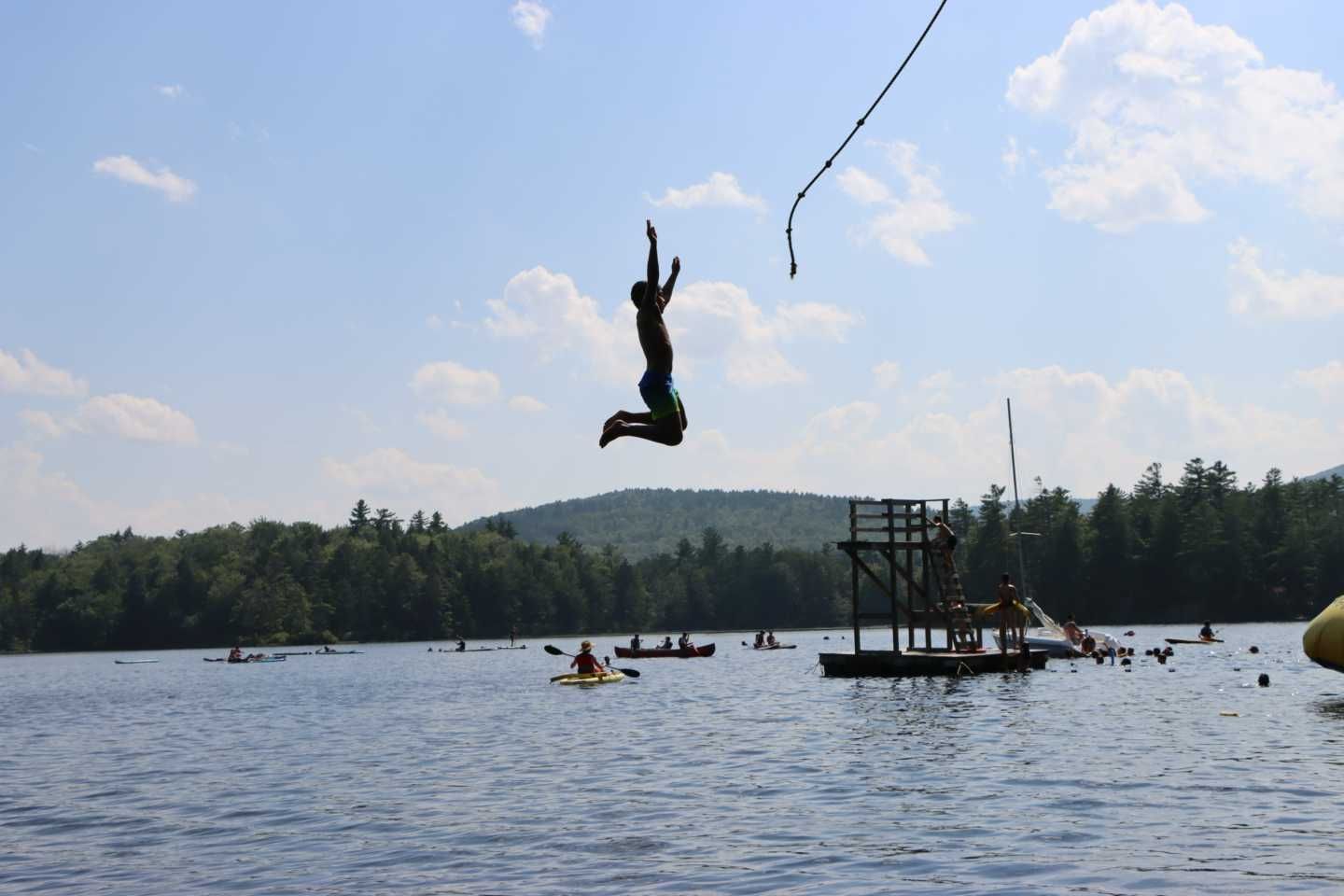
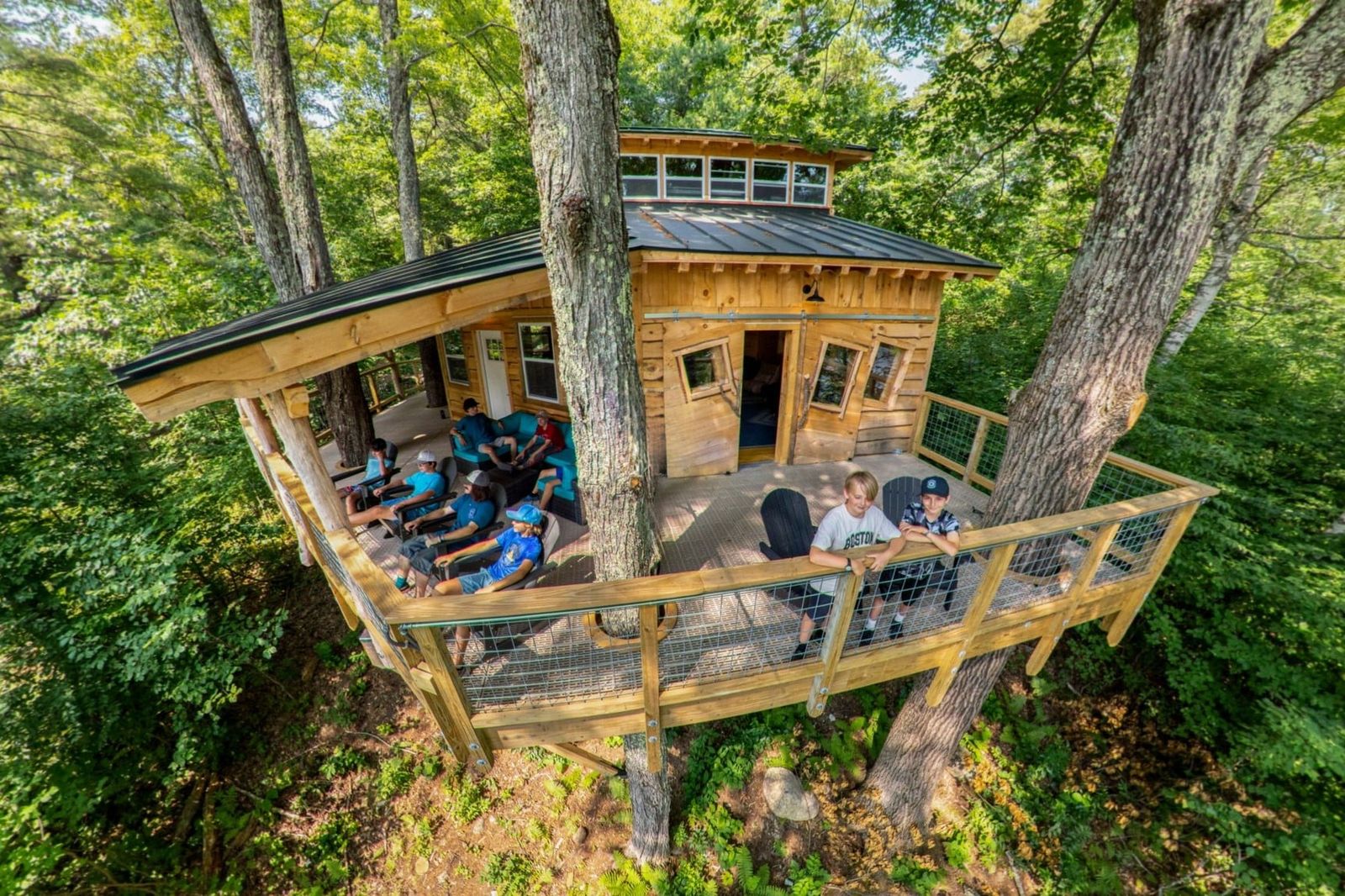
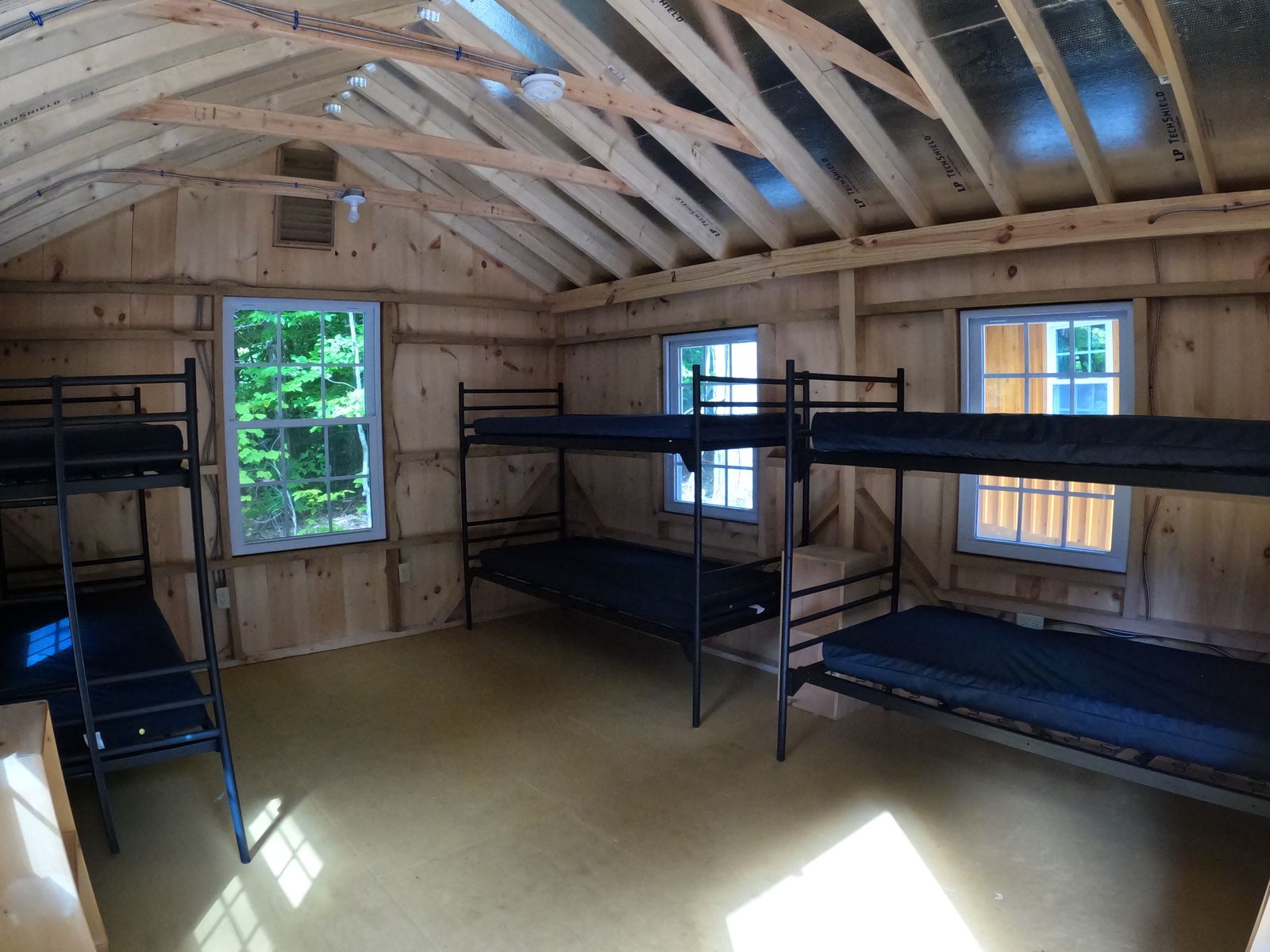
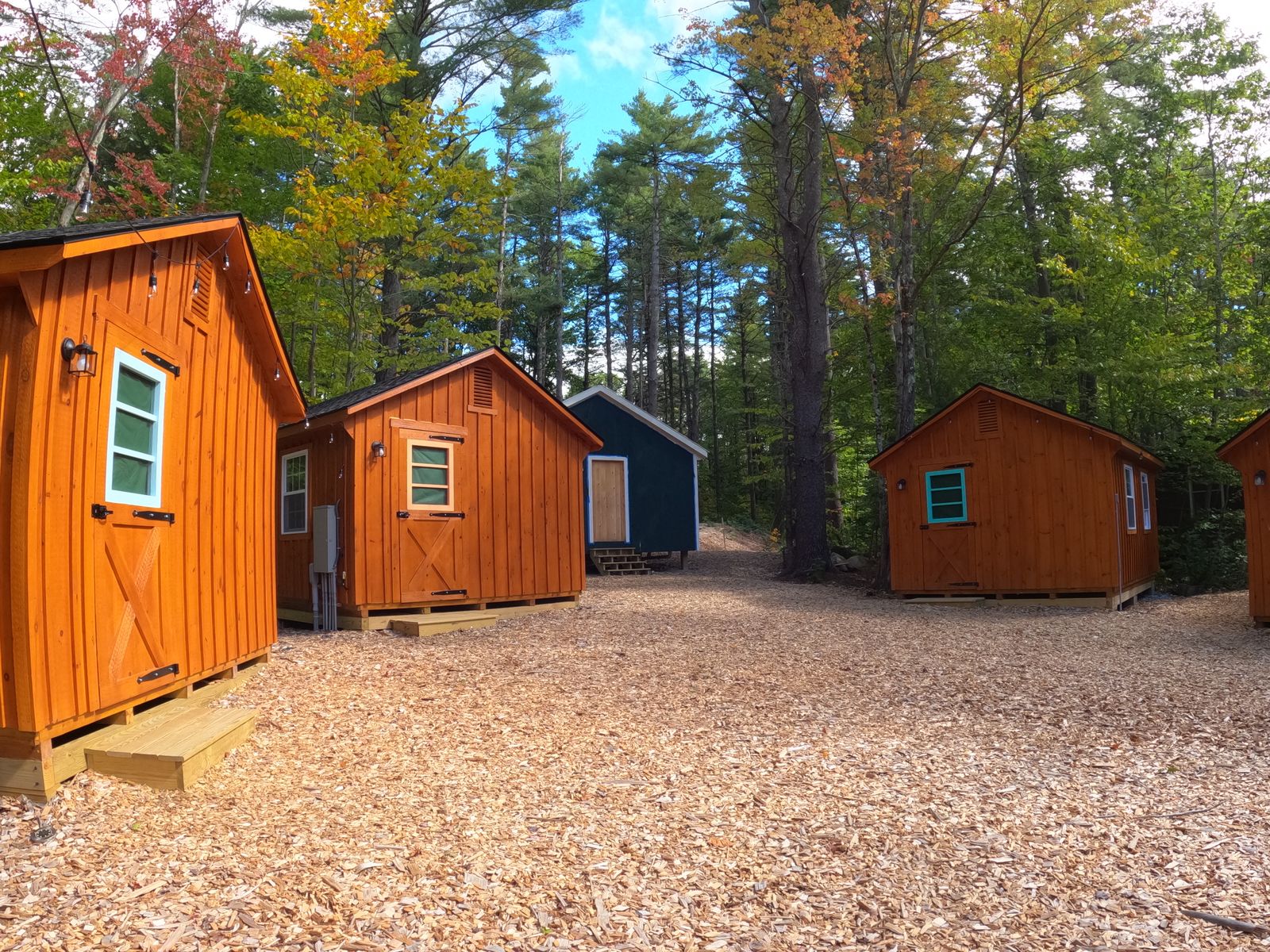
Campers live in cabins among the pines with their counselors, using a shared bathhouse nearby. The private 365-acre site sits on its own lake and is surrounded by a 1,000-acre wilderness preserve, with a waterfront for swimming, sailing and boating, a farm and garden, a ropes course, a video lab, and studios for music, arts, drama and cooking.
Meals
All meals are included. Tell us about allergies or dietary needs when you book and we'll confirm the details with the camp.
Excursions
More photos

Frequently asked questions
What does 'non-competitive' mean in practice?
Activities are about learning, enjoying and doing your best rather than beating others. It suits children who feel pressure at school or sport, and those who simply want a kind, creative community.
Which session length should we pick?
For a first summer from abroad, the 2-week or 3½-week sessions are the usual choice. The 11-day mini sessions are good for younger or nervous first-timers, and children who love it can stay 6 weeks or the full season.
Will my child find other international campers?
Yes — welcoming children from around the world is central to this camp, and campers from many countries attend each summer. The main language is English, with informal conversational English support for those who need it.
How do campers get there?
The nearest major international airport is Boston (BOS); Manchester–Boston Regional (MHT) is closer if you have a good connection. We'll confirm with the camp how airport pick-ups work for your flight and any transfer cost.
Are there early-booking discounts?
For 2027 the camp's early-enrolment discounts (up to US$800 off when paid in full) ran until 30 September 2026 and have now closed. The 6-week and full-season prices don't include the intersession trip.
Can my child fly to the US alone?
Yes — most international campers do. Book the airline's unaccompanied-minor service (each airline sets its own age rules, usually up to 12 or 14), and we'll make sure the camp knows the flight details so someone is waiting at arrivals. We'll confirm the camp's exact pick-up arrangements and any transfer cost when you book.
Does my child need a visa?
Families arrange travel documents themselves. Children with a passport from a Visa Waiver country — Czechia and most of the EU included — need an approved ESTA (the online US travel authorisation) before they board, so apply a few weeks ahead. Children from other countries normally need a B-2 visitor visa for a summer camp, not a student visa. For any other passport, ask us and we'll check what applies.