


Overview
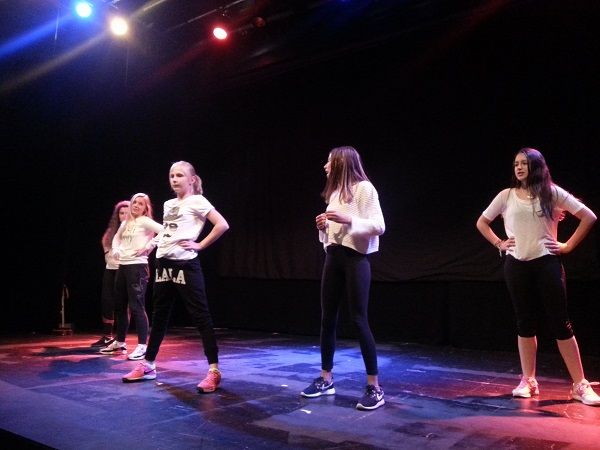
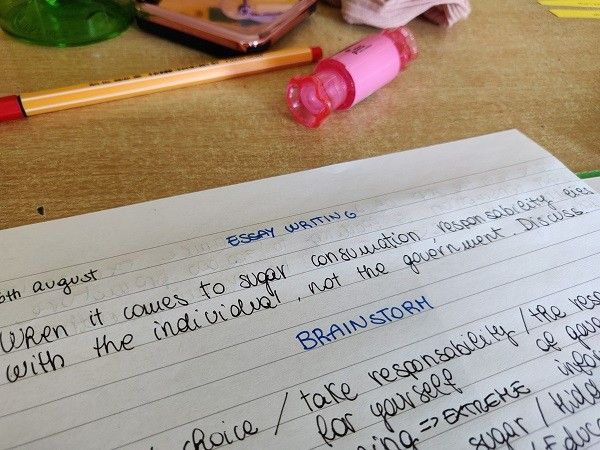
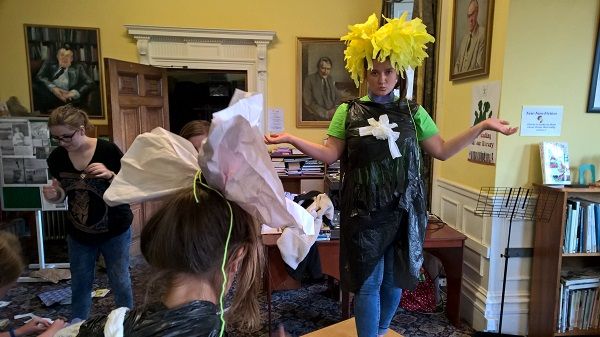
Two weeks, one show. Mornings are 15 hours a week of English in international classes of up to 11 — English Language (A2–B1) or Advanced English (B2–C1). Afternoons are a two-week dance project with West End dance teachers: building technique, then choreographing, rehearsing and performing a live or recorded show from the world of musical theatre.
Experienced dancers shine in solos; less experienced dancers light up the stage in the group numbers. Your child doesn't need to be a top-level dancer, but should have the experience and confidence that comes from dancing in a club at home. The project runs 4–18 July and students commit to both weeks.
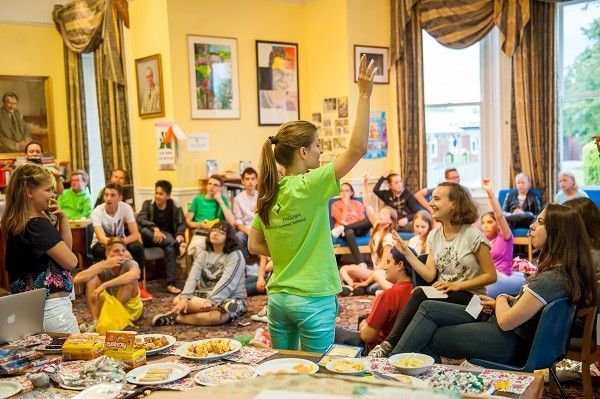
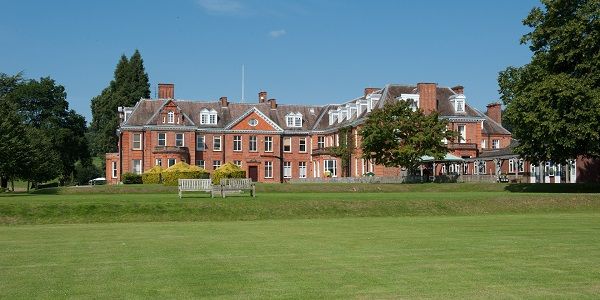
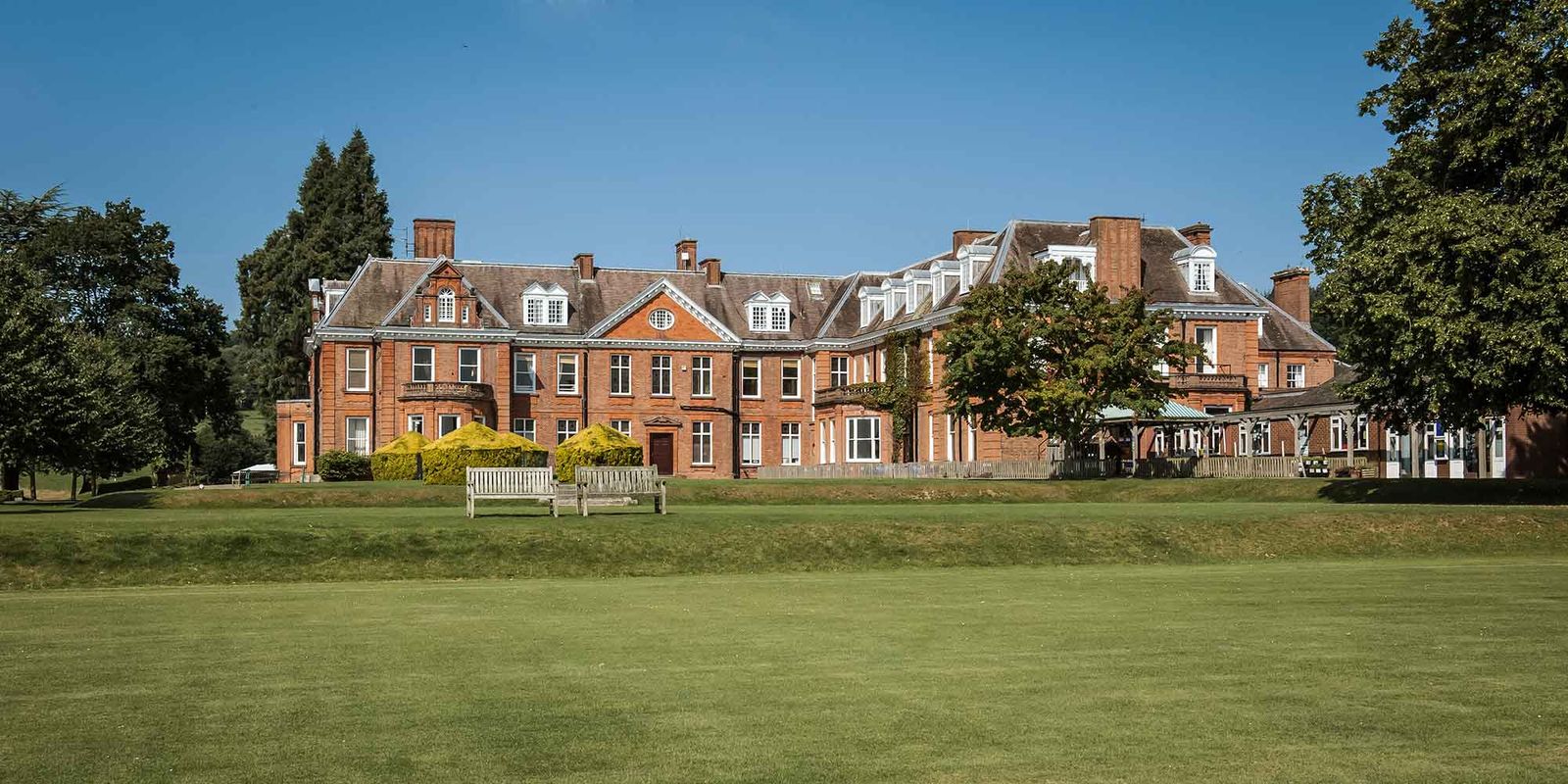
Everything happens at Moor Park, a boarding school on a 20-hectare campus of lawns, woods and a lake just outside Ludlow, a medieval market town in the English countryside. It's a small, close community — around 80 students and staff from about 20 countries, with one member of staff for every four students — and phone time is about 40 minutes a day, so teens talk to each other, in English. Late afternoons and evenings are full of sports, clubs and events, and every week has three trips: a full day in a city such as Oxford, Bath or Liverpool and two half-day outings nearby.
What's included
A day at camp
- 8:50 Morning course, 15 hours a week: three 60-minute lessons (8:50–12:20, with two short breaks) of English Language or Advanced English, in international classes of up to 11
- 12:20 Lunch together in the school dining rooms
- 13:15 Afternoon Pro Specialism, 10 hours a week (13:15–14:45 and 15:00–16:00): Dance with West End dance teachers, rehearsing the musical-theatre show
- 16:00 Club Time — a choice of sports and activities: swimming in the indoor pool, volleyball, badminton, archery, bubble football, cricket and rounders, arts and crafts, music, or cooking with the chef
- Evening Dinner, then an evening event for the whole school — international night, a disco, a fashion or talent show, a campfire with hot chocolate and marshmallows, a quiz, cinema or bowling
- Each week One full-day trip (such as Oxford, Bristol, Liverpool or Bath) and two half-day outings (Ludlow Castle and town, Hereford, Shrewsbury or a walk in the Shropshire Hills); Saturday is free choice — a relaxed day, or an optional extra trip
Where campers stay
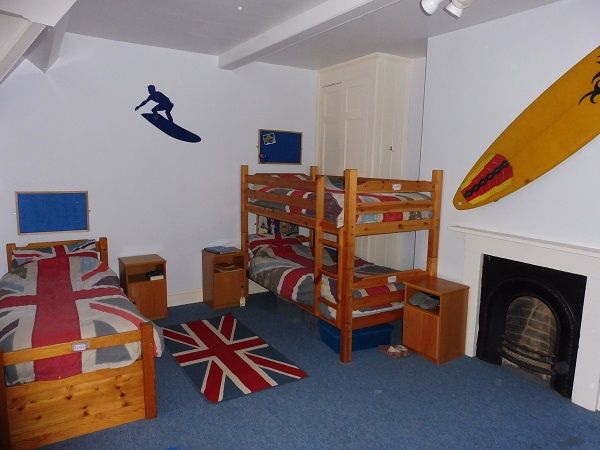
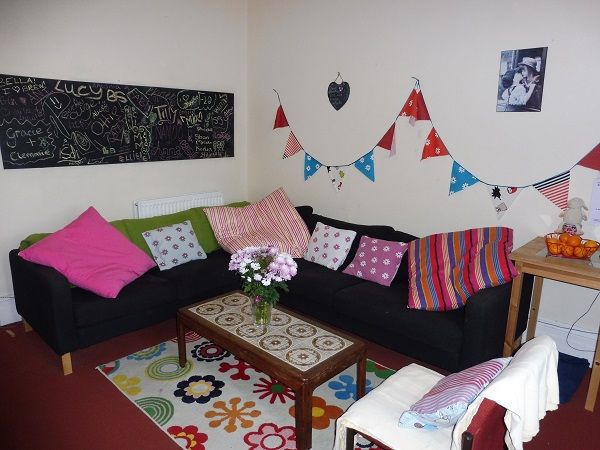
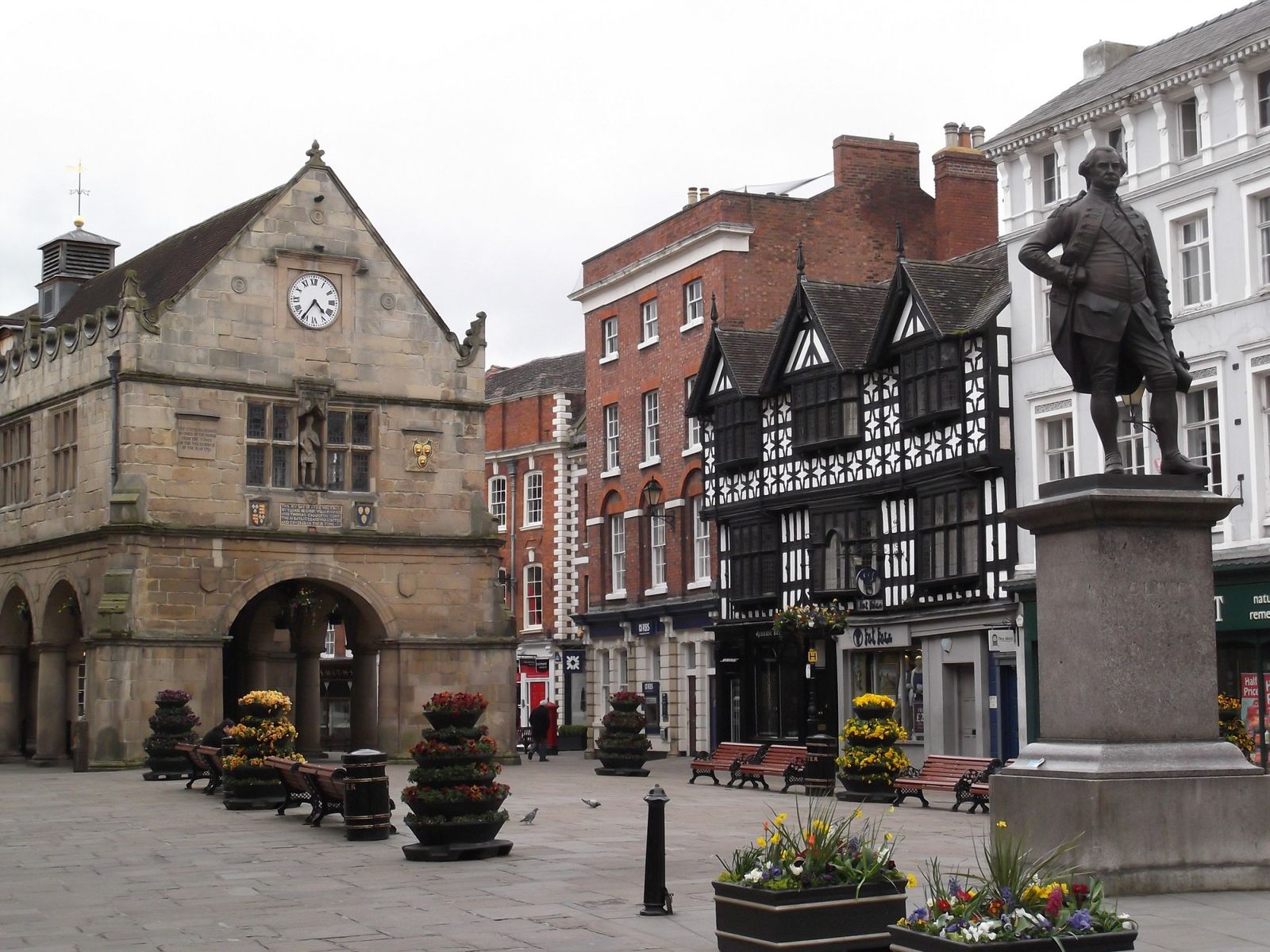
Students live on campus at Moor Park, an independent boarding school just outside Ludlow, with separate boys' and girls' accommodation in the school's historic main building. Bedrooms are large and shared with 3–6 students from other countries — on purpose, so English is the language of the room — and there are common rooms to relax in. House parents are on duty 24 hours a day and medical care is available round the clock. The 20-hectare grounds have a lake and woods, a heated indoor 20-metre swimming pool, three tennis courts, a 9-hole par-3 golf course, grass and AstroTurf football pitches, modern classrooms with interactive whiteboards, an art room, a design studio and a large hall for shows and debates, plus a small Catholic church and a prayer room. Laundry is done for them. Ludlow itself — a castle from 1086, black-and-white timber buildings from Shakespeare's time and ice cream by the river — is a 5-minute minibus ride away.
Meals
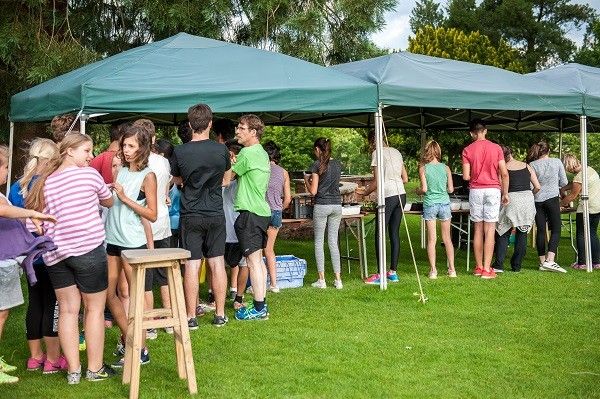
All meals and snacks, freshly cooked and served in the school's three dining rooms: a balanced menu with plenty of fresh fruit and salads, traditional British dishes and food from around the world, and summer barbecues. Gluten-free, dairy-free, vegetarian and vegan diets and medical needs are catered for — tell us when you book and they go on the medical form.
Excursions
More photos
Frequently asked questions
Why is there no 1-week option?
The dance is a two-week project that runs 4–18 July, and students commit to the whole thing — you can't build a show in half the rehearsals. One-week stays only start on 18 or 25 July anyway. One-week stays are possible from 18 or 25 July on the Tennis Performance, Golf Performance, Golf Academy & Football, Leadership & Storytelling, Global Leadership & Tennis, English & Tennis, English & Karting, English & Football and Mix & Match pages.
Does my child need dance experience?
Some, yes. They don't have to be a top-level dancer, but they should have the experience and confidence that comes from dancing in a club back home. Experienced dancers get solo moments; less experienced dancers shine in the group numbers.
Can they stay longer?
Yes. After the show, your child can stay one or two more weeks with English in the mornings and a new afternoon — Creative Writing (18–25 July, for ages 14–17 with upper-intermediate English) and Film Making (25 July – 1 August) make a lovely creative month, or football, tennis, golf or karting school. Each extra week is £1,885 plus any supplement.
English Language or Advanced English — which one?
It depends on where your child is now. English Language is for roughly A2–B1: teens who get by in English and want to speak more fluently and confidently, through role plays, presentations and team projects that work on speaking, listening, reading and writing. Advanced English is for B2–C1: teens who are already comfortable and want to use English the way they'll need it at university — researching, weighing up ideas on current issues, writing, seminars and presentations. Both are 15 hours a week for ages 12–17. Not sure? Every student takes an online placement test before arrival, and we're happy to help you choose. If your child is below A2, ask us first.
Who will my child be with?
A small, international crowd: around 80 students and staff in all, from about 20 countries, and British teenagers join some courses too. Groups and bedrooms mix nationalities on purpose, so English is what everyone has in common. In 2025 about two thirds of the students were 15–17 and a third 12–14; teachers and coaches group students by age and level.
Who looks after them?
There's one member of staff for every four students, which is a lot of grown-ups for a summer school. House parents are on duty 24 hours a day, 7 days a week, medical care is available round the clock, and students never leave the campus without staff. Passports are kept in the school safe, and so is pocket money — it's handed out twice a week, before the trips and the weekend. If anything worries you, you can talk directly to the people who run the school. Students with medical conditions are welcome; just tell us when you book.
Can they keep their phone?
Yes, but phone time is about 40 minutes a day — on purpose. With phones mostly put away, teens actually talk to each other, and with around 20 nationalities on campus that conversation happens in English. House parents are on duty round the clock if something can't wait.
How do they get there?
The school's coach meets students at London Heathrow on Sundays, included in the price, for flights landing between 11:00 and 16:00, and takes them back for flights leaving between 13:00 and 17:00 — the drive to campus is about 2½ hours. Outside those times there's a private Heathrow transfer at £395 each way, and Birmingham airport transfers are quoted on request. Coming by Eurostar from Paris? Staff meet two trains at London St Pancras for £95 each way: the 4 July arrival (ES9023, in at 12:30) and the 18 July departure (ES9028, leaving 13:31). If your child flies with the airline's unaccompanied-minor service, the school's hand-over is £85 each way. Flights and trains aren't included.
Does my child need a visa?
Families arrange travel documents themselves. Teens with an EU passport don't need a visa for a short course like this, but each one needs their own UK ETA (Electronic Travel Authorisation) before travelling — apply on the UK government website or the UK ETA app a few weeks ahead. They must travel on a passport: national ID cards are no longer accepted for most EU citizens. Irish citizens don't need an ETA. For any other passport, ask us and we'll check what applies.
What isn't included?
Flights or the Eurostar, transfers outside the standard times, pocket money and the optional Saturday extras: the Harry Potter Studio Tour (£115) or the London Experience (£345), an overnight trip to London — in 2026 it included a West End show, a Thames cruise and a walking tour past Buckingham Palace and Big Ben, and we'll send the 2027 details as soon as we have them. Everything else — lessons and coaching, the campus room, all meals, snacks and laundry, the activity programme, three trips a week, personal accident and travel insurance and the standard Heathrow transfers — is in the weekly price.