

Overview
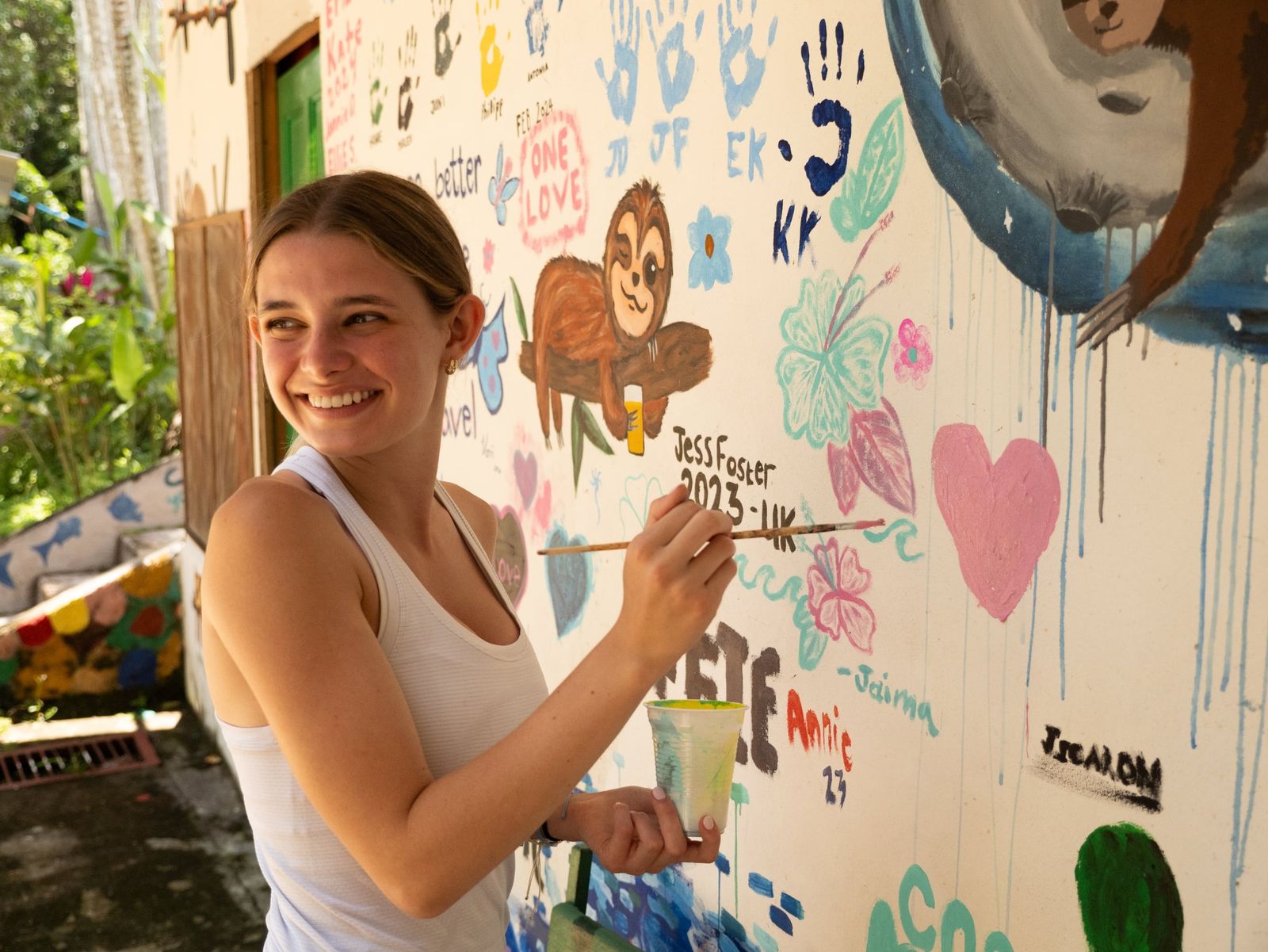
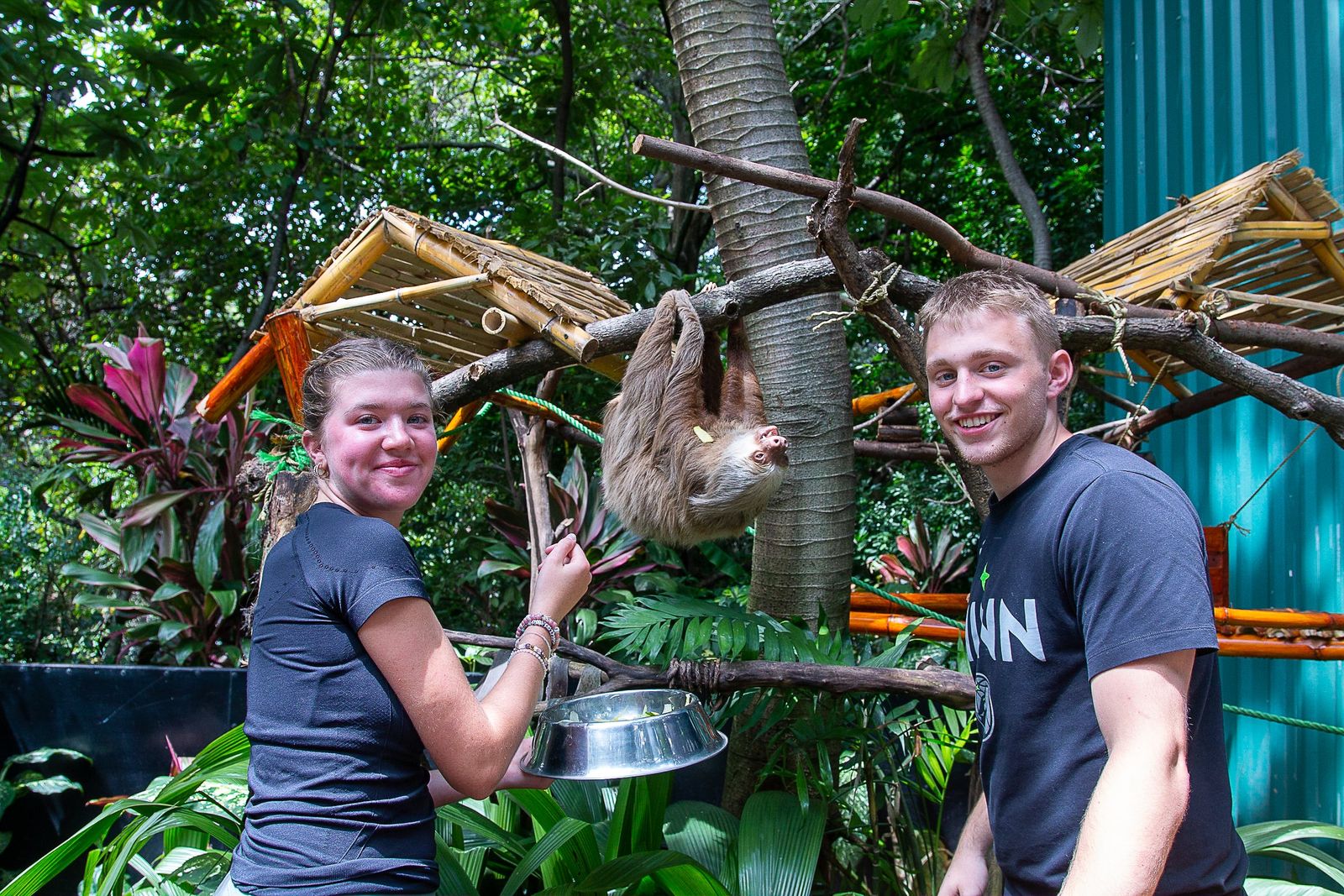
A ten-day introduction to volunteering abroad for up to 24 teens, with about 30 hours of service and a letter of completion afterwards. In the Central Valley the group helps at Refugio Animal, a sanctuary that rescues, rehabilitates and releases injured Costa Rican wildlife. On the Guanacaste coast it works with Siempre Amigos, a local NGO founded in 2011 that improves living conditions for low-income families in rural Guanacaste on a community project — recent groups painted and built homes, helped with beach preservation and renovated a classroom.
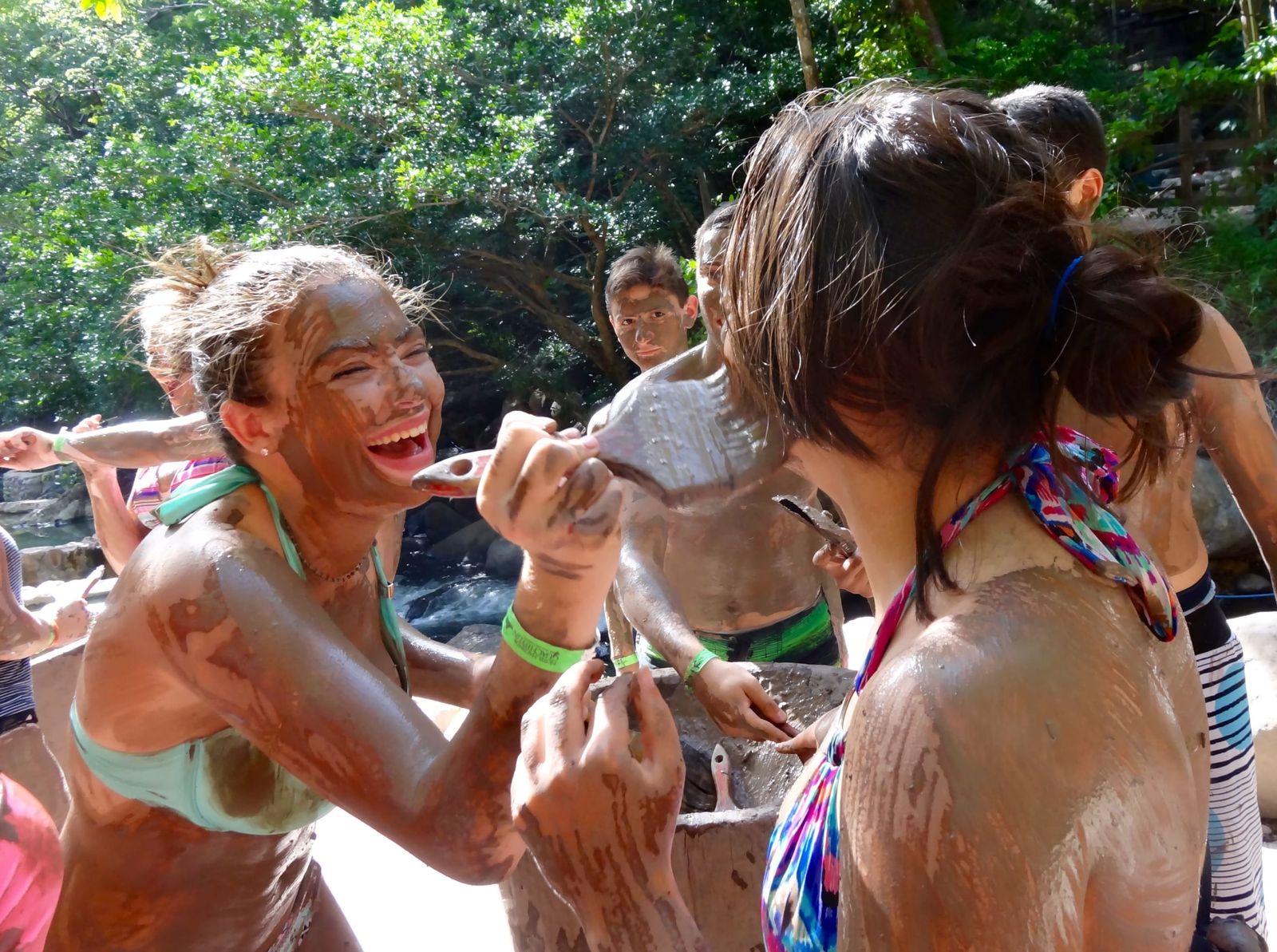
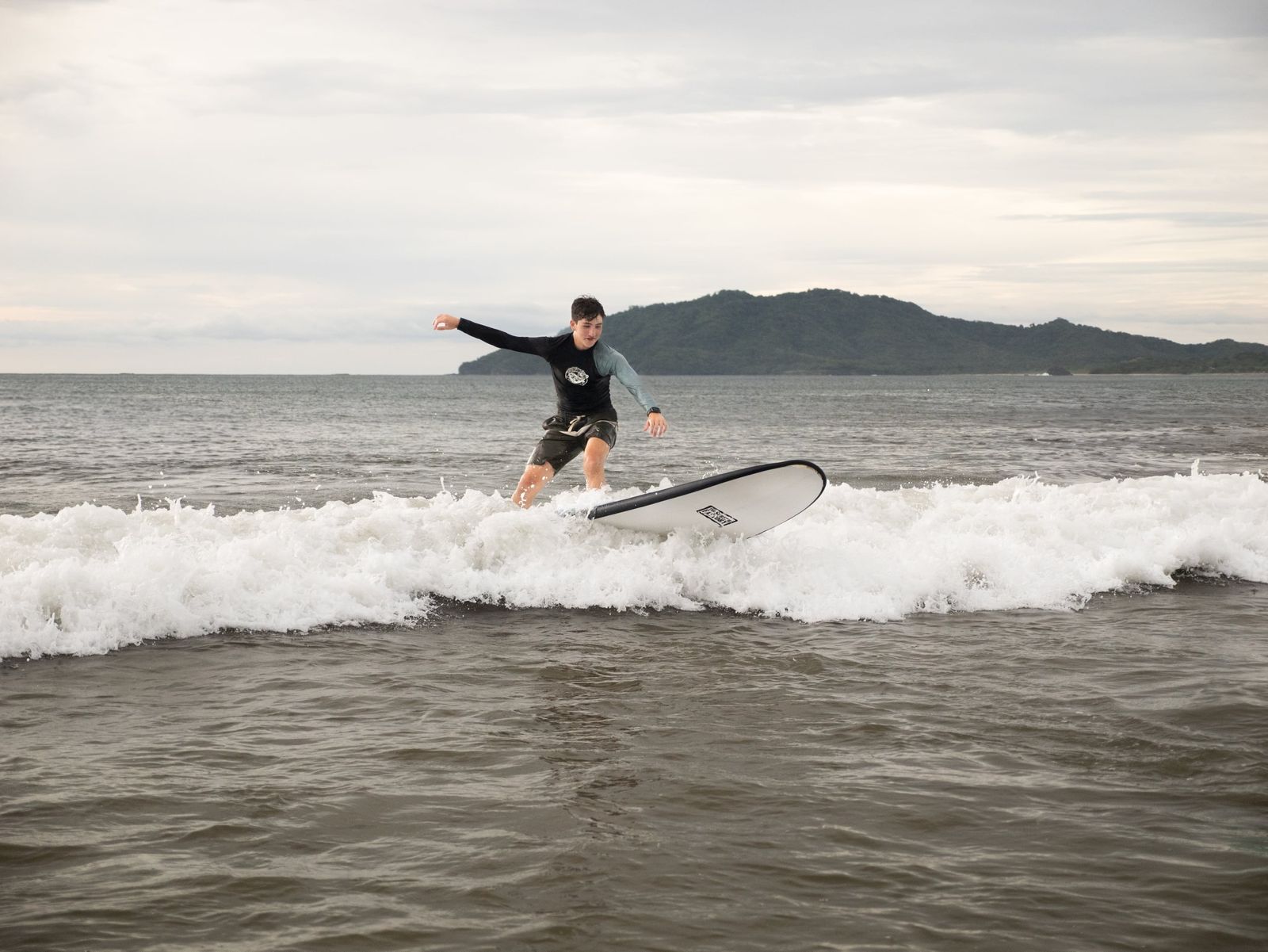
Staff lead reflection sessions on the work. Around the projects: whitewater rafting to start, then a waterfall hike with a swim, a zipline over the canopy and volcanic mud baths at Rincón de la Vieja, and surf lessons at Tamarindo and a bonfire near Flamingo Beach.
The group travels in a chartered air-conditioned coach with a professional local guide, stays in hotels and a lodge (no homestays) and has all meals included. The trip flies in to San José and home from Liberia. There's a separate departure for grades 7–8.
What's included
The itinerary
- Start Central Valley — Arrival in San José, icebreakers, a whitewater rafting adventure and service at Refugio Animal, helping care for wildlife being rehabilitated for release.
- Stop Rincón de la Vieja — A zipline over the canopy, the natural mud baths, a hike to a waterfall with a swim and downtime at the eco-resort's pool.
- Finish Flamingo Beach — Service with Siempre Amigos in the local community, surf lessons at Tamarindo, an evening bonfire and the flight home from Liberia.
Where teens stay
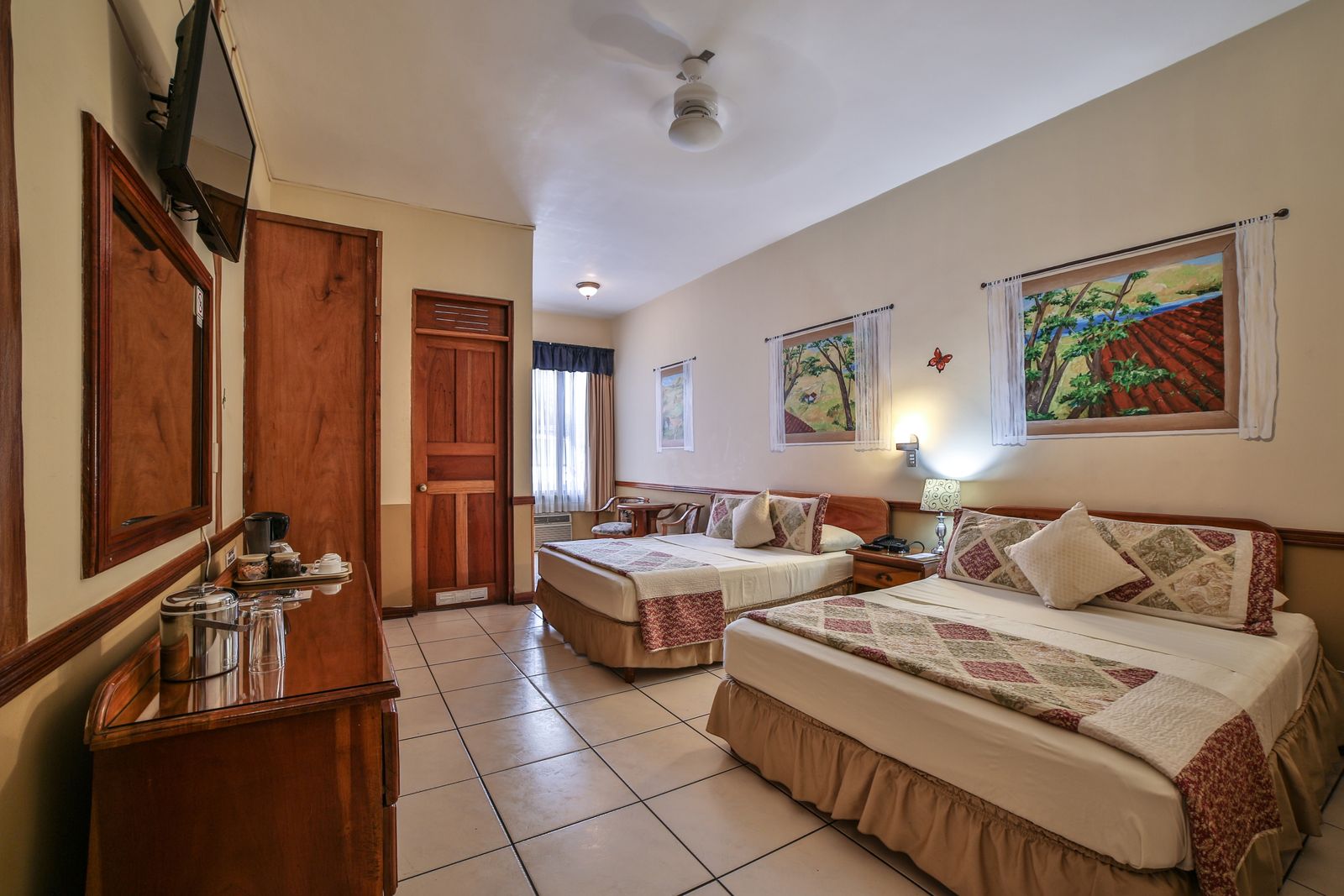
A hotel with a pool in the Central Valley, an eco-lodge with a pool at Rincón de la Vieja and a hotel with a pool near Flamingo Beach, in air-conditioned rooms shared with other teens. There are no homestays.


Meals
Breakfast, lunch and dinner are included every day — Costa Rican rice and beans, meat dishes and lots of fresh fruit, with Western options on the menu too. Vegetarian, kosher-style, gluten-free (coeliac) and lactose-free diets and most allergies can be catered for if you tell us in advance. Tap water is mostly fine, but the group refills bottles from containers of purified water.
More photos
Frequently asked questions
Which departure is right for my child?
Groups are put together by US school grade, so each departure has teens of a similar age. Grades 7–8 (roughly ages 12–14, a middle-school departure): Jun 29–Jul 8. Grades 9–11 (roughly ages 14–17): Jun 27–Jul 6, Jul 8–17, Jul 20–29. The grade is the one your child is in during the 2026–27 school year — we'll help you match it to your school system. Dates are the operator's official start and end dates.
What does the volunteering actually involve?
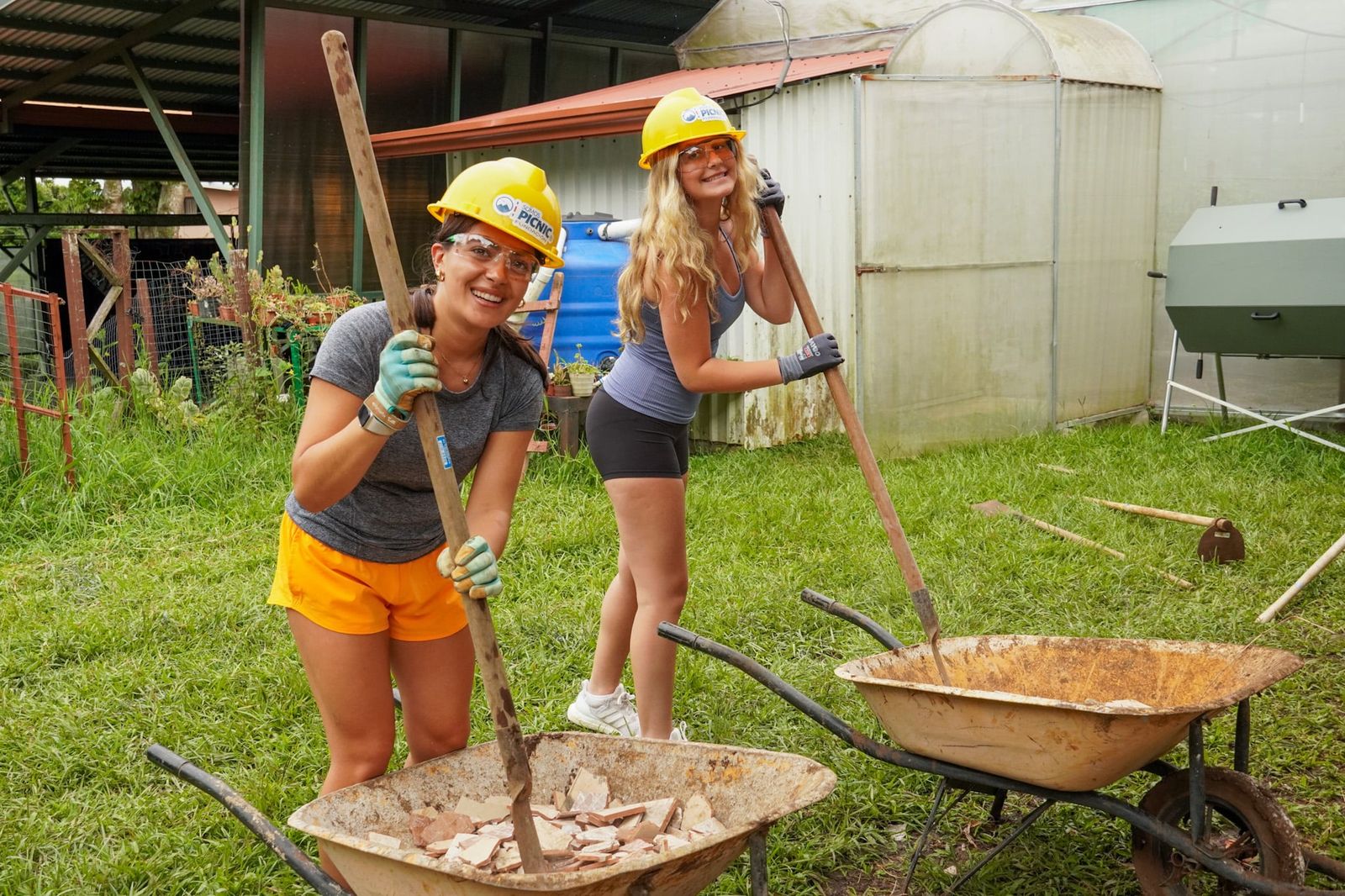
About 30 hours of hands-on work, done together as one group, with a letter of completion listing the hours and projects afterwards. At Refugio Animal teens help with the daily care of rescued wildlife on its way back to the wild. With Siempre Amigos in Flamingo they do practical community work such as painting, building and beautification projects. Exact projects are confirmed in late spring and are similar to these; staff lead reflection sessions throughout.
Is there a fixed day-by-day schedule?
The operator publishes the projects, stops and activities rather than a day-by-day plan, and confirms the final schedule in late spring. The order shown above is indicative; we'll send you the detailed itinerary once it's out.
How do flights and arrival work?
The trip starts at San José airport (SJO) and ends at Liberia airport (LIR) in Guanacaste, so you book a flight into San José and a flight home from Liberia. Please check the operator's arrival and departure time windows with us before buying anything non-refundable. Staff meet your child as they come through customs and take them to the group at no extra cost, and teens flying in from overseas can arrive the night before the official start with the extra hotel night included. The operator also runs a chaperoned group flight from South Florida (sometimes New York), which teens can connect to — but from Europe there are direct flights to Costa Rica from a few hubs, so a US connection isn't necessary. On the last day the leaders help with check-in and stay at the airport until flights in the set window have left.
What exactly is included in the price?
Hotels and lodges, breakfast, lunch and dinner every day, all the service projects and activities listed, the local guide, chartered coach transport, airport transfers for flights within the set time windows, tips and local taxes. Not included: flights to and from Costa Rica, snacks, spending money, laundry (a wash-and-fold service about once a week), the operator's application fee, and travel insurance — optional, but we strongly recommend it.
Is there a discount for enrolling early?
Yes — at the moment the operator takes US$300 off the tuition for early enrolment, so the 10-day trip costs US$3,999 instead of US$4,299. It's a limited-time offer and the operator can end it at any point, so ask us whether it still applies before you decide. The price shown on this page is the full tuition.
What is the difference between the 10-day and 18-day versions?
The 10-day trip covers the Central Valley, Rincón de la Vieja and Flamingo Beach, with about 30 service hours, and ends at Liberia airport. The 18-day trip adds Arenal Volcano and a school project with Somos Picnic, with about 40 service hours, and ends back in San José.
Does my child need a visa?
Families arrange travel documents themselves. Teens with an EU passport don't need a visa for a holiday-length stay in Costa Rica; the passport must be valid for the whole trip and border officers may ask to see the return ticket. If the route connects through the US — including the group flight from Florida — they also need an approved ESTA (the online US travel authorisation), so apply well ahead. For any other passport, ask us and we'll check what applies.
Who else will be in the group?
Mostly American teens — on most programs around 85% of participants come from the US, and the operator tries to limit how many teens from any one other country join each group. For an international teen that means a genuinely English-speaking group, which is a big part of the appeal.
How good does my child's English need to be?
At least a confident beginner level — the operator recommends A2 or above, since everything on the trip happens in English. Your child can ask for an English-speaking roommate, and one-to-one English conversation time with a staff member can be arranged daily or a few times a week.
Can my child come on their own?
Yes, and many do. The first days are built around icebreakers and getting-to-know-you activities, roommates are assigned and rotated, and the staff actively help everyone settle into the group.
Are phones allowed?
Yes. Teens can bring their phone, so you can call or message them directly. The operator also runs a communication centre that's staffed every day of the summer, with someone on call around the clock for emergencies.